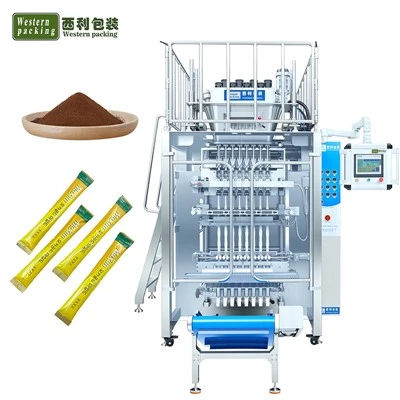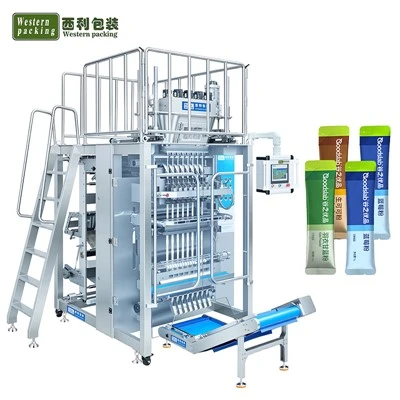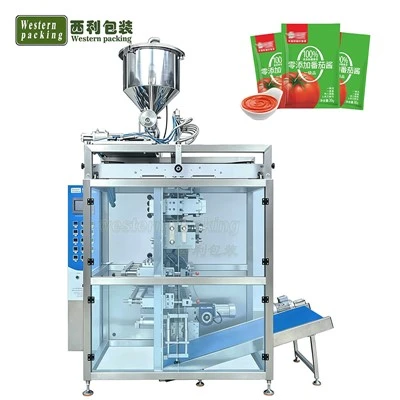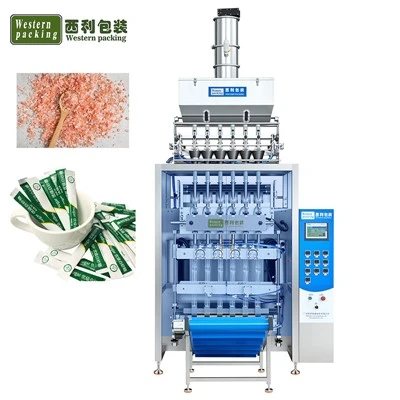


If you own or operate a honey sachet packaging machine, you already know the importance of keeping it clean—not just for hygienic food production, but also for extending the life of your equipment and avoiding costly downtime. As a supplier of liquid packaging machinery, I’ve worked with dozens of small-batch honey producers and large-scale packing facilities over the years, and one of the most common issues I hear about is machines that start spitting sticky honey residue onto sachets, causing leaks, mis-seals, and wasted product. Most of these problems are preventable with a consistent, science-backed cleaning routine done right after each production run.
Honey is a unique substance when it comes to packaging equipment. It’s hygroscopic, meaning it draws moisture from the air, and over time, even small amounts of leftover honey can crystallize, harden, and gum up moving parts, sensors, and sealing jaws. Unlike liquid products like juice or sauce, honey’s thick, viscous texture means it adheres much more stubbornly to surfaces. That’s why cleaning a honey sachet machine isn’t just a quick wipe-down—it requires a step-by-step process that targets every area where honey can build up, without damaging delicate components.
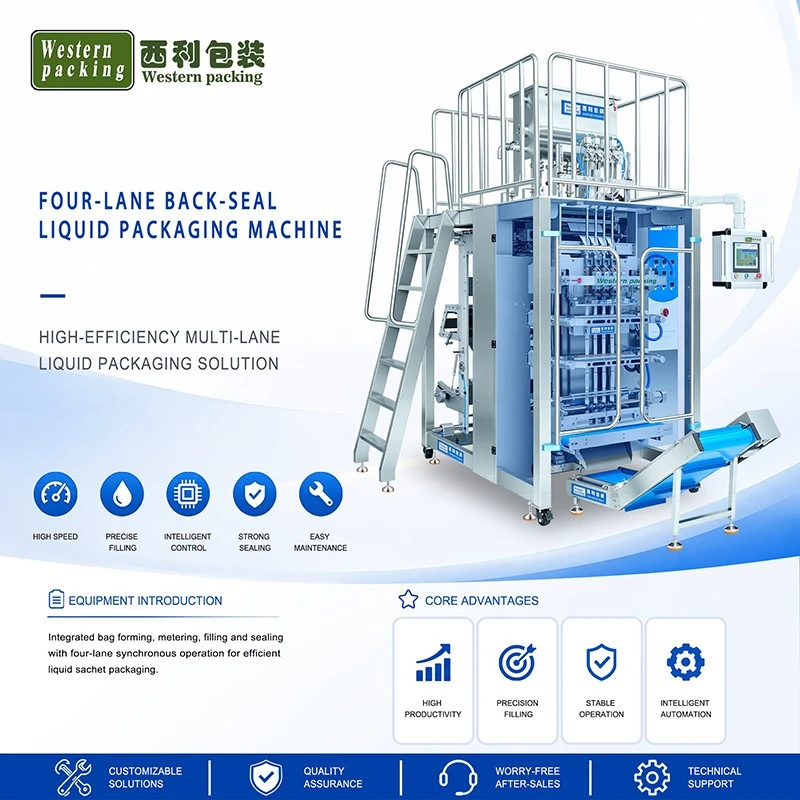
Let’s walk through the exact process I recommend, based on years of on-site support for clients using our line of packaging equipment (including the Liquid Stick Sachet Packaging Machine, which handles thicker liquids like honey with precision). Before we start, it’s critical to pause production as soon as your final batch of honey sachets is finished. Waiting even an hour can let honey cool and set, making cleaning take twice as long and risking residue that will ruin your next run.
First, power down the machine completely and disconnect it from the power source. This is non-negotiable—no part of cleaning should ever be done on a live machine. Next, remove all removable parts that come into contact with honey. For most vertical form-fill-seal (VFFS) honey sachet machines, these include the filling nozzle, product hopper, sealing jaws, the film guide track, and the idler rollers that feed the packaging film. Take note of how each part fits together; snapping them off incorrectly can damage alignment for future runs. For clients using a Sauce Sachet Packing Machine or similar liquid packaging equipment, many of these steps transfer over—though honey’s thicker consistency means you’ll need to pay extra attention to tight spaces in the filling system.
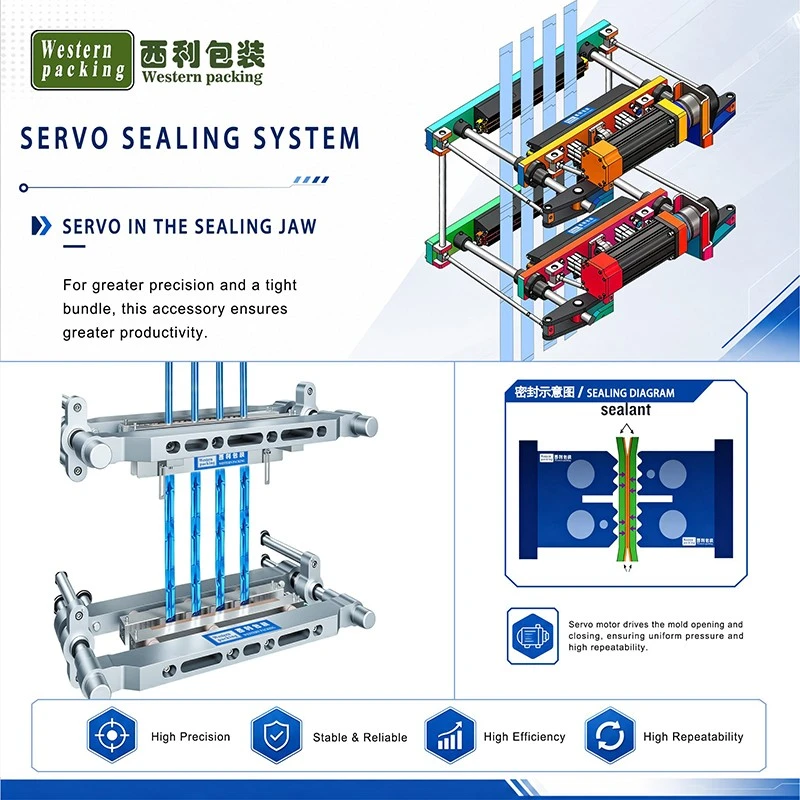
Once the parts are removed, start with pre-rinsing to loosen surface honey. Use warm, not hot, potable water. Water that’s too hot can cause honey to cook onto metal surfaces, making it almost impossible to remove later. A gentle spray bottle or soft-bristle brush works for the filling nozzle and hopper, where honey is thickest. For the sealing jaws, which are often coated in tiny honey residue that can ruin seals in the next run, dip a lint-free cloth in warm water and gently wipe both the front and back of each jaw. Avoid using paper towels here—they leave lint that can get stuck in sealing grooves and cause defects.
After pre-rinsing, it’s time for a targeted cleaning solution to dissolve remaining honey residue. Plain water isn’t enough for the stubborn, crystallized bits. I recommend a food-grade alkaline cleaner, mixed according to the manufacturer’s instructions (never use full-strength cleaner undiluted, as it can corrode stainless steel parts over time). Apply the solution to all honey-contacting parts, and let it sit for 2 to 3 minutes—this gives the alkaline ingredients time to break down honey’s sugar bonds. For small, hard-to-reach areas like the gaps between sealing jaws or inside the filling nozzle, use a nylon brush (brass or steel brushes can scratch metal surfaces, leading to more residue buildup over time). If you work with thinner liquids like juice, you might be familiar with how easy their residue is to remove, but honey’s viscosity means extra scrubbing in these areas.
Once you’ve scrubbed all parts, do a second, thorough rinse with warm water to remove all traces of the alkaline cleaner. Any leftover cleaner can contaminate your next batch of honey, which is a huge risk for food safety and product quality. For the machine’s main body and non-removable components (like the film transport system and control panel area), use a damp cloth with a small amount of mild dish soap mixed in warm water. Wipe down these areas carefully, avoiding any electrical connections. Never spray water directly onto the control box—this can cause short circuits, even if the machine is unplugged. If you have a Multilane Jelly Stick Packing Machine or our honey models, the film transport system often has small gaps where honey can build up, so run a lint-free cloth along the entire length of the film track to catch any loose residue.
After rinsing, it’s crucial to dry every part completely before putting the machine back together. Honey, even when dissolved, will attract moisture if left damp, and leftover water mixed with honey residue can speed up crystallization. For small parts like nozzles and sealing jaws, use a lint-free microfiber cloth. For larger parts like the hopper, you can use a low-pressure air compressor (set to less than 30 PSI) to blow out any remaining water from crevices. This is a step many clients skip, only to find their machine has a sticky mess 24 hours later because they didn’t dry thoroughly.
Once everything is dry, inspect each part for missed residue. Run your finger along the sealing jaws and filling nozzle—if you feel any sticky spots, go back and re-clean that area before assembling. Misaligned or dirty sealing jaws are the number one cause of honey sachet leaks, so this final check is non-negotiable. Put the removable parts back in their original positions, double-checking alignment to ensure the machine runs smoothly for your next production run.
Wait, what about the rest of the machine’s internal parts that don’t come into direct contact with honey but can still collect dust or stray syrup? For the exterior, a weekly deep clean is a good idea. Wipe down the frame, control panel, and the area around the film roll to remove any dust that can get into the film and cause sachet defects. If you have a larger production line with multiple filling heads, like our Juice Sachet Packing Machine lines, you’ll want to adjust your cleaning frequency based on how often you run the machine. A machine that runs 24/7 needs a deep clean at the end of each shift, while a machine used only a few times a week can get away with cleaning after each use plus a full deep clean once a week.
I also want to share a few common mistakes I see clients make when cleaning their honey sachet machines. First, using cold water—cold water won’t dissolve honey, and you’ll just spread residue around the machine instead of removing it. Second, waiting to clean until the end of the week—letting honey sit for days lets it crystallize, turning a 15-minute clean into a 2-hour chore. Third, using harsh chemicals like bleach or abrasive scrubbers—bleach leaves a chemical taste in honey, and abrasive brushes scratch metal surfaces, creating tiny grooves where residue can hide and build up over time.
Regular cleaning isn’t just about preventing mess—it’s about protecting your product’s reputation. A client of mine in rural Georgia was having a problem with honey sachets leaking during shipping, and after checking their machine, we found old honey residue on the sealing jaws that was making uneven seals. A deep clean fixed the problem, and their return rate dropped by 40% within a month. That’s the value of a consistent cleaning routine for packaging equipment.
If you’re in the market for a reliable machine that’s designed with easy cleaning in mind, our range of liquid packaging equipment is built to make this process simpler. We’ve engineered parts like self-draining filling nozzles and easy-to-remove sealing jaws to cut down on cleaning time without sacrificing performance. Whether you need a small machine for a startup or a high-volume line for a large manufacturer, we can help you find the right fit.
If you’re looking to upgrade your current honey sachet packaging system or have questions about maintaining your machine, we’re here to help. Our team has years of experience working with honey, sauce, juice, and other liquid products, and we can provide personalized guidance based on your production needs. Reach out to our sales team today to discuss your requirements and find the perfect packaging solution for your business.
References
- Food and Drug Administration. (2022). Food Equipment Cleaning and Sanitation Guidelines. Retrieved from fda.gov
- Honey Association of the United States. (2021). Best Practices for Processing and Packaging Honey. Retrieved from honey.com
- National Sanitation Foundation. (2020). Sanitation of Food Processing Equipment. Retrieved from nsf.org