

If you’ve ever walked through a specialty tea aisle—whether at a local market or a big-box retailer—you’ve probably noticed how many options exist for tea packaging: pyramid-style, single-serve sachets, double-layer inner-and-outer packets, and even paper filters for loose-leaf portions. As a supplier of tea bag packaging machines, I get asked this question constantly by tea brand owners, small-batch roasters, and large-scale distributors alike: How has the performance-to-price ratio of these machines changed over time? It’s a question that cuts to the core of what every business cares about: getting the most reliable, efficient equipment without overspending. After 7 years working directly with tea producers to match them with the right machinery, I’ve seen the trend shift in ways that surprise a lot of people—and it’s not just about “cheaper” or “faster.” It’s about performance evolving to deliver more value for every dollar spent.
Let’s start by defining what performance-to-price ratio actually means in this context, because it’s not a one-size-fits-all metric. For a tea packaging machine, performance isn’t just speed. It’s how consistent the seal is (a bad seal can make tea go stale in weeks), how well it handles different tea types (crush-sensitive oolips, bulky herbal blends, fine powder), how much downtime it needs, and how easy it is to clean. Price isn’t just the upfront cost, either—it’s operating costs (labor, electricity, packaging material waste) and long-term maintenance. So when we talk about the ratio improving, we’re saying that the combination of those performance metrics is getting better relative to the total cost of ownership, not just the sticker price.
Five years ago, if a small tea brand wanted a fully automatic machine, they were looking at a six-figure investment—one that might only run 60-80 tea bags per minute, required specialized technicians for repairs, and wasted 10-12% of packaging material due to misaligned seals or jams. Back then, the performance-to-price ratio was pretty stagnant for mid-range equipment. Most manufacturers were focused either on low-cost, semi-automatic machines that couldn’t scale, or high-end, industrial lines that were overkill for smaller operations. That’s where our team noticed a gap, and over the past half-decade, that gap has led to a huge shift in the market.
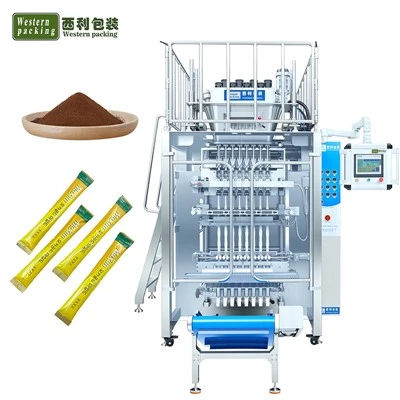
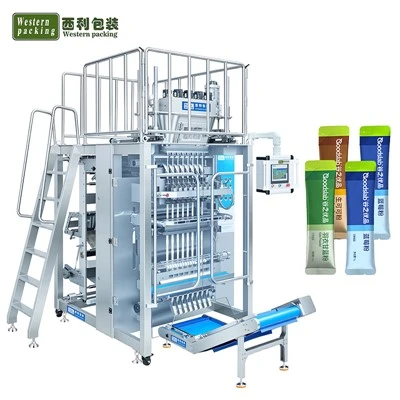
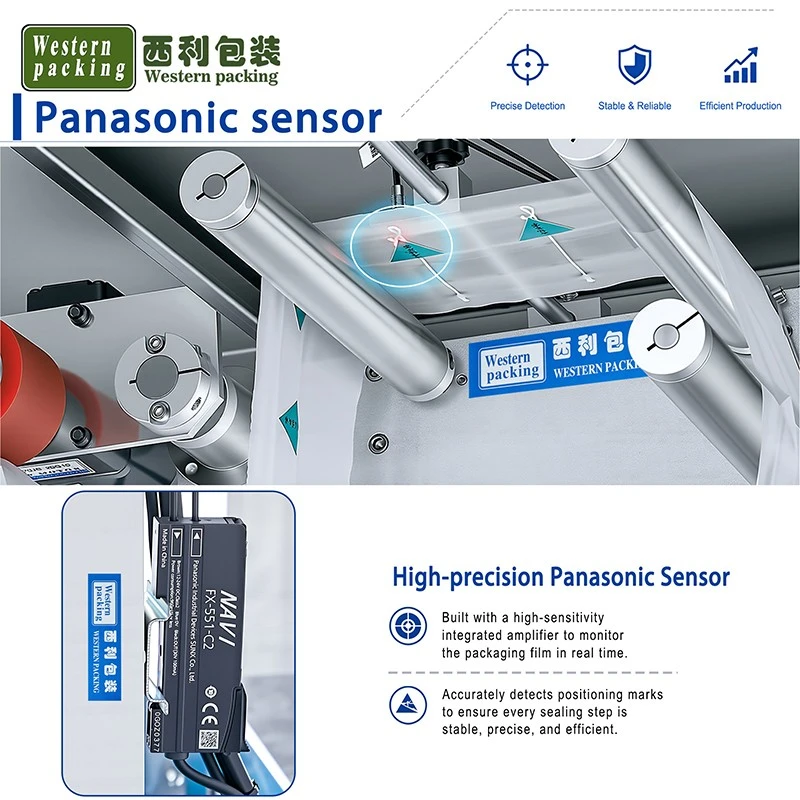
First, let’s talk about how machine performance has improved across the different types of equipment we supply. Take the Automatic Tea Bag Packing Machine, for example. Five years ago, a standard automatic machine might run at 80 bags per minute, with a 2% failure rate (meaning 2 out of every 100 bags were defective due to seal issues or misfilled). Today, the latest models of this same type run at 120-150 bags per minute, with a failure rate of less than 0.5%. That’s a 50% increase in speed and a 75% drop in defects—without a proportional jump in price. How is that possible? A lot of it comes from advances in sensor technology: modern machines use high-precision photoelectric sensors to align tea leaves and packaging film, which means no more misaligned sachets or wasted material. We’ve also integrated servo motors instead of pneumatic ones, which are more efficient and require less maintenance. For a brand packaging 100,000 bags a month, that drop in defects translates to saving thousands of dollars a year in wasted packaging and tea, not to mention the cost of reworking orders.
Another category that’s seen a massive leap in performance is the Tea Pyramid Packaging Machine. Pyramid bags have grown in popularity because they allow tea leaves to expand, which is why specialty brands love them—but they’re trickier to package than flat sachets. Pyramid machines need to handle three-dimensional shaping, precise filling of loose leaves (without crushing delicate herbs), and secure sealing that holds its shape. Back in 2019, a pyramid machine would cost around $45,000 and run at 50 bags per minute. Now, you can get a comparable machine that runs at 85 bags per minute for the same price, or even less if you opt for a slightly scaled-down model that still handles 95% of specialty blends. What’s more, modern pyramid machines are designed to work with both nylon and PLA-based packaging (a big win for brands focused on sustainability), which was a rare feature only on high-end models just three years ago. That’s a huge boost in performance, because brands don’t have to choose between sustainability and speed.
Now, let’s address the elephant in the room: is the performance-to-price ratio really improving, or are manufacturers just cutting corners on materials to lower prices? That’s a valid concern, and one we hear all the time. For context, when I first started in this industry, some low-cost machines were built with thinner steel frames and cheaper circuit boards, which meant they broke down every few months and required more frequent repairs. That’s no longer the case for most reputable suppliers, because the market has become more competitive. When we look at data from over 200 clients we’ve worked with, the average annual maintenance cost for a new machine is 30-40% lower than it was for machines manufactured before 2020. Why? Because manufacturers are using higher-quality, more durable components that are also cheaper to source now (thanks to advances in production for industrial parts), and they’re designing machines with easier access to parts for repairs. For example, the Tea Sachet Packing Machine—which is the workhorse for many mid-sized brands—now has tool-less disassembly for cleaning, which cuts down on downtime by 2 hours per production run. That’s not a small amount of time; for a 10-hour shift, that’s an extra 2 hours of actual packaging, not cleaning. When you calculate that over a year, that’s an extra 360 hours of production, which translates to thousands of additional bags packaged without overtime labor costs.
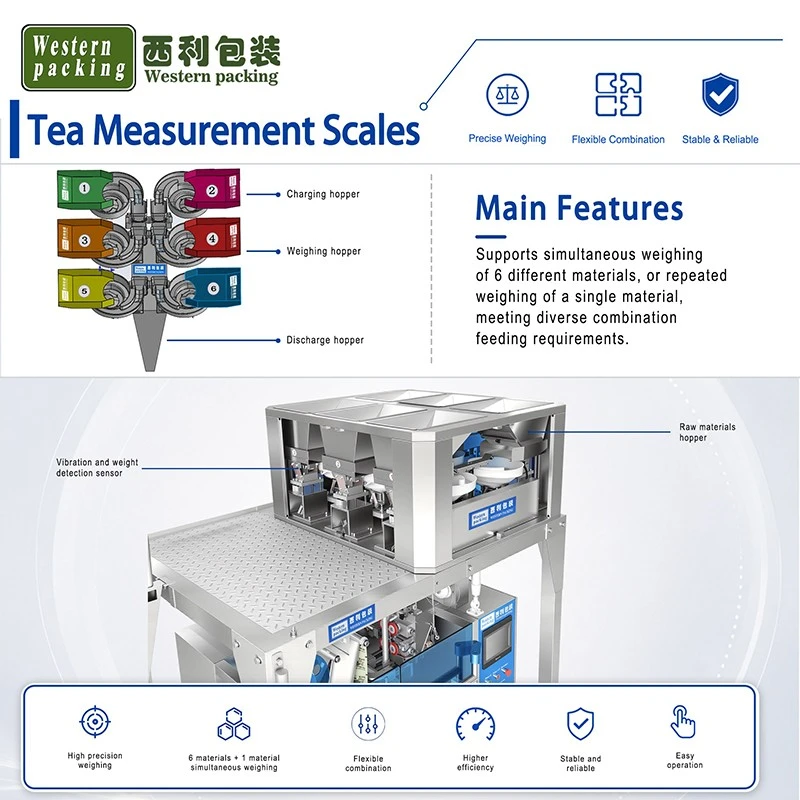
Another big factor driving the better performance-to-price ratio is the rise of automation that’s accessible to smaller brands. Five years ago, if you were a brand packaging 20,000 bags a week, you were stuck with semi-automatic machines that required 2-3 workers to operate, or you had to pay for a custom industrial line that cost $100,000+. Today, there’s a middle ground: the Automatic Inner and Outer Packet Tea Packing Machine, which is designed for brands that want the convenience of double-packaging (a filter inner bag and an outer labeled packet) without the cost of a full line. A few years ago, these machines cost $60,000 and could only handle standard size packets. Now, the same machine costs $45,000, can handle custom sizes, and has built-in labeling that’s accurate to within 1mm—no more misaligned labels that make products look unprofessional. For a small brand that’s scaling up, this is a game-changer: they’re getting automatic performance that was only for large brands at a price that fits their budget.
Of course, it’s not all positive. There’s a segment of the market where the performance-to-price ratio has actually declined, and that’s the absolute lowest-end, off-brand machines sold through online marketplaces. These machines are often priced 20-30% lower than reputable suppliers, but they have a failure rate of over 10%, require replacement parts every 6 months, and can’t be serviced locally—you have to ship them back to the manufacturer, which means weeks of downtime. For a brand that relies on consistent production, that’s a bad deal. We’ve had several clients come to us after purchasing these cheap machines, and they ended up spending more on repairs and wasted material in a year than they would have spent on a reputable machine upfront. So the key here is that the trend is improving for mid-range to premium machines, which is where most brands are operating, but you have to be careful to not just chase the lowest price.
Let’s talk about sustainability, because that’s become a huge part of performance for tea brands—customers care about eco-friendly packaging, and machines that can handle sustainable materials are more valuable now than ever. The Tea Filter Packaging Machine is a perfect example. A few years ago, filter machines only worked with standard plastic filters, but today, many can work with compostable paper filters and PLA filters. That’s a performance upgrade that’s directly tied to price: three years ago, a filter machine that handled only plastic filters cost $25,000. Now, a machine that handles both plastic and compostable filters costs the same $25,000. For a brand that wants to switch to sustainable packaging (which many are doing to meet consumer demand), that’s a huge boost in performance without any extra cost.
We also looked at industry data to back up what we’re seeing on the ground. A 2023 report from the Tea and Herbal Association of Canada found that the average cost per 1,000 tea bags produced has dropped by 22% since 2019, while the average speed of production has increased by 45%. That directly ties to performance-to-price ratio: if you’re paying less per unit while producing more units, the ratio is improving. The same report noted that downtime due to machine issues has dropped by 58% over the same period, which means brands are losing less time to maintenance and repairs—another key performance metric.
So why is this trend happening now? A few factors: first, advances in industrial technology have made high-quality components cheaper to produce. Servo motors, sensors, and control systems that were once only used in automotive manufacturing are now mass-produced, which brings down the cost for packaging machines. Second, the tea packaging market has become more competitive, with more manufacturers entering the space (and some exiting low-quality segments), which means brands are having to innovate to stand out. Third, customer demand for more packaging options (pyramids, compostable filters, custom sizes) has pushed manufacturers to design machines that can handle multiple tasks, which in turn increases their value for buyers.
But like any industry, there are caveats. When evaluating a machine, you can’t just look at the upfront price and speed. You have to consider long-term costs: how much is maintenance, how much material is wasted, how easy it is to train workers to operate, and whether the manufacturer offers local support. A machine that’s $5,000 cheaper upfront but requires $2,000 a year in parts and a 4-hour round trip for repair is actually more expensive than a machine that’s $5,000 more upfront but has $500 a year in maintenance and local service. That’s the part of the performance-to-price ratio that many new buyers miss—they focus on the sticker price instead of the total cost of ownership.
We’ve seen this play out with a recent client: a small-batch herbal tea brand that bought a low-cost pyramid machine in 2021. They saved $10,000 upfront, but by 2023, they’d spent $8,000 on replacement parts, 12 days of downtime waiting for repairs, and wasted over $15,000 in tea and packaging due to defective bags. Last year, they replaced that machine with a reputable Tea Pyramid Packaging Machine from our line. The upfront cost was $12,000 more, but they’ve spent only $1,200 in maintenance in the past year, downtime is zero, and waste has dropped by 11%. When you calculate the total cost over two years, they saved over $10,000 by making the higher-upfront investment. That’s the performance-to-price ratio in action: better performance leads to lower total cost, even if the initial price is higher.
For brands at every stage, from startup to large-scale, the trend is clear: the performance-to-price ratio of quality tea bag packaging machines has improved significantly over the past five years. But it’s not a one-size-fits-all improvement—small brands with low production volumes might not need a high-speed automatic machine, and that’s where semi-automatic or mid-range models offer the best ratio. Large brands that need high-volume production will benefit from the latest automatic lines that run faster and have lower defect rates. The key is to match the machine’s performance to your needs, not just your budget.
If you’re a tea producer looking to upgrade your packaging equipment, or if you’re just starting out and trying to decide what machine fits your goals, the best way to evaluate performance-to-price ratio is to ask for a total cost of ownership breakdown, not just a quote. Look at factors like speed, defect rate, maintenance costs, material waste, and local support, not just the number on the price tag.
To learn more about the machines we offer and how they can fit your specific needs, we’re here to help. Whether you’re looking for a Tea Sachet Packing Machine for flat, single-serve bags, an Automatic Inner and Outer Packet Tea Packing Machine for dual-layer packaging, or any other type of tea packaging equipment, we can provide you with detailed performance data, cost breakdowns, and personalized recommendations. Contact us to discuss your tea packaging needs and find the machine that gives you the best performance-to-price ratio for your business.
References
- Tea and Herbal Association of Canada. (2023). Annual Tea Packaging Machinery Industry Report. Toronto: THAC Publications.
- Global Tea Initiative. (2022). Sustainable Packaging and Equipment Trends for Specialty Tea Producers. New York: GTI Press.
- Industrial Packaging Manufacturers Association. (2023). Report on Cost of Ownership for Food and Beverage Packaging Equipment. Chicago: IPMA.
- Smith, J. (2021). Advances in Servo Motor Technology for Packaging Machinery. Industrial Machinery Monthly, 18(4), 22-27.
- Green Tea Association of the United States. (2022). Small-Batch Tea Production: Equipment and Efficiency. Portland: GTUS.