

If you’ve ever worked with granule packaging machinery, you’ve likely encountered that frustrating static cling that derails production, damages materials, or even poses safety risks. As a supplier of specialized packaging equipment, I’ve seen electrostatic interference (ESI) cause everything from misaligned sachets to contaminated batches—and I’ve helped dozens of clients solve these issues with practical, science-backed fixes. Over the past 12 years in this space, I’ve learned that preventing ESI isn’t just about “grounding wires”; it’s about understanding how static builds up in your specific granule packing process, then implementing layered controls tailored to your products and machine design. Whether you’re running a small-scale line for snack granules or a high-speed system for pharmaceutical powders, these strategies will help you minimize downtime and keep your packaging running smoothly.
First: Why Static Forms in Granule Packaging Machines
To fix a problem, you have to understand its root cause. Static electricity generates when two dissimilar materials rub together, transferring electrons and creating an electrical charge imbalance. In granule packaging, this happens most often at three key points: when granules move through hoppers and feed chutes, when packaging film is unwound and sealed, and when air flows over moving parts inside the machine. The severity of ESI depends on factors like granule size (smaller granules carry more surface charge per unit mass), humidity levels (dry air accelerates charge buildup), and the materials of your machine components (plastic, rubber, and even some metals can act as insulators that trap charge instead of dissipating it).
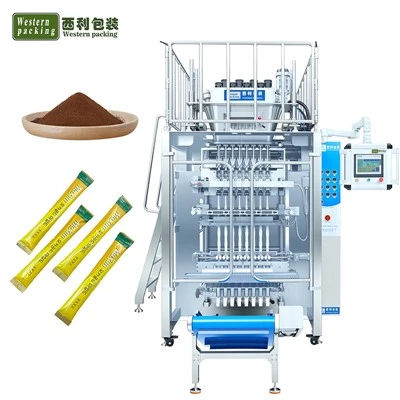
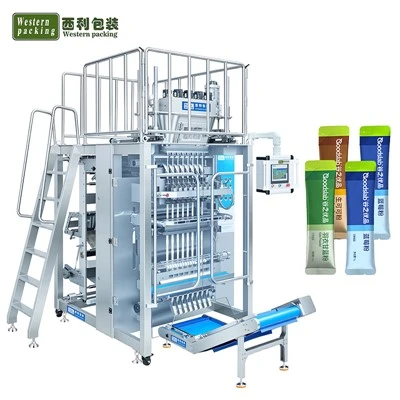
I once worked with a client running a Multi Lane Sugar Sachet Packaging Machine that was producing batches where 15% of sachets had torn seals or misprinted labels because sugar granules were clinging to the film. We tested the machine and found that the low relative humidity (RH) in their 60-year-old facility—consistently below 30% RH—was the primary culprit. The sugar granules were rubbing against the plastic feed chute and film, building up a static charge that caused them to stick, instead of flowing evenly into each sachet. That’s a common scenario, and it’s easily preventable.
1. Control Ambient Humidity to Reduce Static Charge
The simplest, most cost-effective way to prevent ESI in granule packaging is to adjust your facility’s relative humidity. Water molecules are highly conductive, so when air has sufficient moisture, they attach to charged surfaces and help dissipate static before it builds up to problematic levels. For granule processing, target RH between 40% and 60%—this range balances static control with no risk of making granules clump (critical for products like sugar, coffee, or detergent beads).
Many facilities skip this step because they think humidifying a production area is expensive, but modern industrial humidifiers are tailored for packaging lines and don’t require high energy use. I also recommend installing humidity sensors near key machine components (like the feed hopper and film unwind station) to monitor levels in real time, so you can adjust settings immediately if RH drops too low. For example, the client with the multi-lane sugar sachet line boosted their RH to 45% with a portable steam humidifier, and static-related errors dropped from 15% to less than 1% within a week.
2. Select Conductive Machine Components and Packaging Materials
Even with proper humidity, static can build up on insulating materials in your machine. A common mistake is using standard plastic or rubber parts for feed chutes, guide rails, or sealing jaws—these materials trap static charge like a battery, leading to granules clinging or film repelling. Instead, specify conductive components made from materials like carbon-loaded plastic, conductive rubber, or anodized aluminum, which are designed to dissipate charge to a ground point.
This rule also applies to your packaging film. Standard polyethylene or polypropylene film is insulating, so switching to static-dissipative (SD) film—engineered to bleed off static charge—can drastically reduce issues. I once had a snack food client running a Peanut Packaging Machine that was suffering from granule misfeeds because peanuts were sticking to the film’s inner layer. We swapped their standard film for SD film, and they eliminated misfeeds entirely without adjusting their line speed or humidity settings. The only caveat here is that some SD films are not compatible with high-heat sealing, so work with your film supplier to select a grade that matches your machine’s sealing parameters.
3. Install Active Static Control Devices at Critical Points
For high-speed lines or processes that use highly insulating granules (like silica gel or pharmaceutical powders), passive fixes like humidity and conductive parts may not be enough. Active static control devices—such as ionizers and static bars—create a flow of charged ions that neutralize the static charge on granules and film, eliminating the imbalance before it causes problems.
I always recommend placing ionizers at three key spots:
- The feed point of the granule hopper: This is where granules first enter the machine and begin rubbing against components, so neutralizing charge here prevents it from carrying through the entire process.
- The film unwind station: As film is pulled off the roll, it generates static that can repel granules or cause misalignment during filling. A static bar mounted 2-3 inches above the film path will neutralize charge evenly across the entire width of the film, ensuring consistent sachet sizes.
- The sealing area: Static in the film can cause seals to be uneven or weak, so an ionizer near the sealing jaws ensures the film is neutral before it’s heated.
For delicate products like silica gel, even small static charges can cause granules to stick together or not flow into sachets. A client running a Silica Gel Sachet Packing Machine reported that 10% of sachets were underfilled because silica granules were clinging to the hopper walls; installing a compact pneumatic ionizer at the hopper outlet fixed the underfilling issue overnight, with zero downtime for calibration.
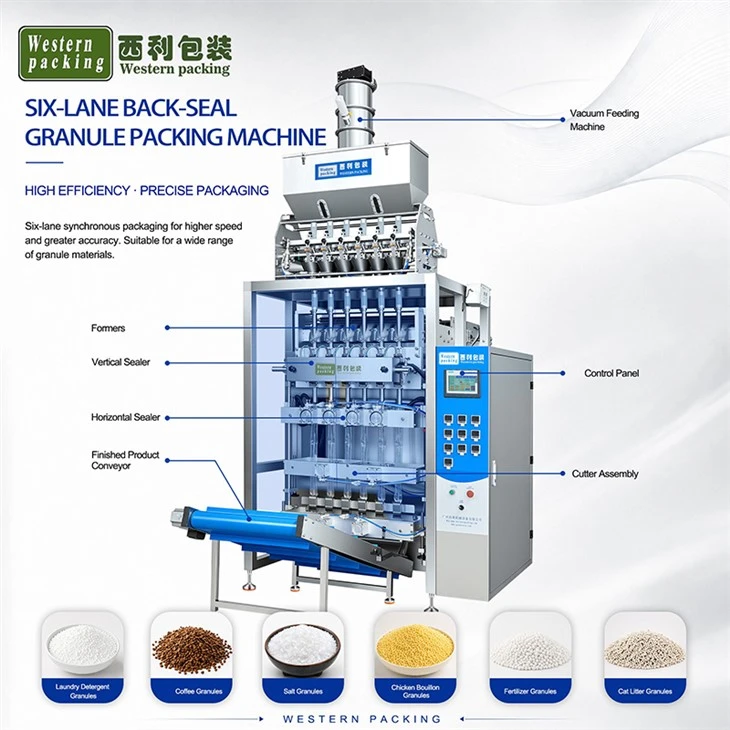
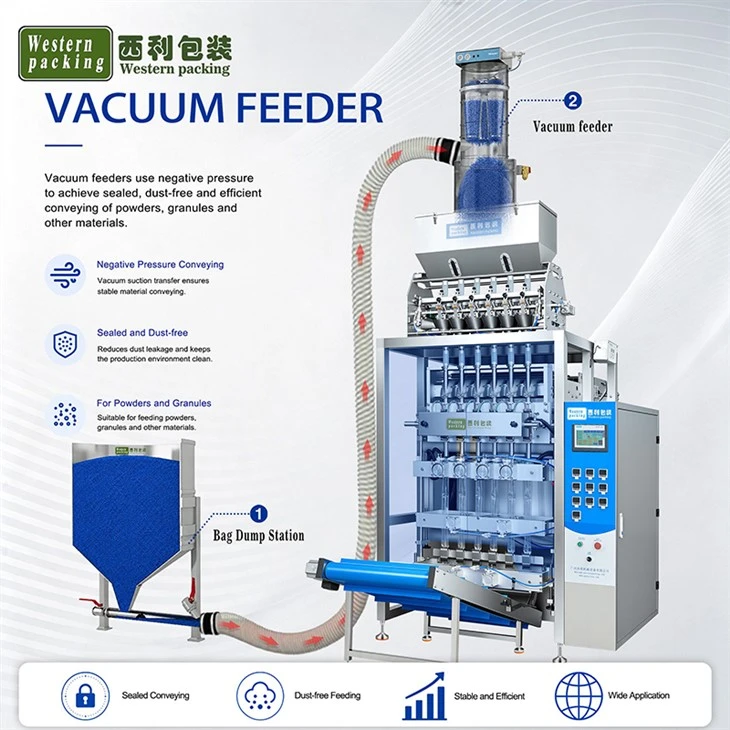
4. Implement Proper Grounding for Metal Components
It might seem basic, but incorrect or incomplete grounding is one of the most common causes of ESI in packaging machines. Even conductive components won’t dissipate charge if they’re not connected to a proper ground point. For all metal parts of your machine (frames, guide rails, sealing heads, and feed screws), install thick, low-resistance grounding wires (minimum 10-gauge copper) and connect them to a dedicated industrial ground rod (not a shared building ground, which can have inconsistent resistance).
I always recommend testing your machine’s grounding monthly with a multimeter to ensure resistance is below 1 ohm—anything higher means charge is not dissipating properly. Another pro tip: avoid grounding plastic or non-conductive components, as this can actually create small electrical arcs that damage your machine’s electronics over time. I once had a client who tried grounding their plastic feed chute, and the resulting arc damaged their load cell—costing them $2,000 in repairs and 3 days of downtime.
5. Train Operators to Spot ESI Early
Even with all these technical fixes, operator error or unaddressed small issues can lead to static problems. For example, operators might leave a clean-out door ajar during a production run, disrupting airflow and charge dissipation, or fail to refill a humidifier when levels drop. I’ve seen countless small issues snowball into major downtime because operators didn’t recognize early signs of ESI—like granules sticking to the film or sachets that “jump” during sealing.
I recommend holding monthly 30-minute training sessions for packaging line operators, where you walk through common ESI signs and how to adjust settings or check key components. For example, teaching operators to test static by holding a small piece of paper near the granule feed: if the paper sticks, you’ve got a static charge problem that needs attention. I also keep a quick-reference guide near every machine listing the 4 steps to test for ESI: check humidity, inspect grounding wires, verify active ionizers are working, and test film conductivity.
Common Mistakes to Avoid
After years in this industry, I’ve seen clients make the same mistakes when dealing with ESI. Here are the top three to skip:
- Overusing anti-static sprays: While these can temporarily reduce static, most sprays break down with exposure to heat or dust, leading to inconsistent performance. They’re also not food-safe for products like sugar or snack granules, so I only recommend them for short-term, low-production runs.
- Ignoring static in auxiliary equipment: ESI doesn’t just affect your packing machine—it can also cause issues with granule handling conveyors or storage bins. Make sure all equipment along your entire production line has the same static controls as your packaging machine.
- Not testing with your specific product: Granules like salt, coffee, and silica gel all have different electrical properties, so a fix that works for a peanut packing machine won’t necessarily work for sugar. Always test static controls with your actual product before rolling out changes to a full production line.
Final Notes for Long-Term Success
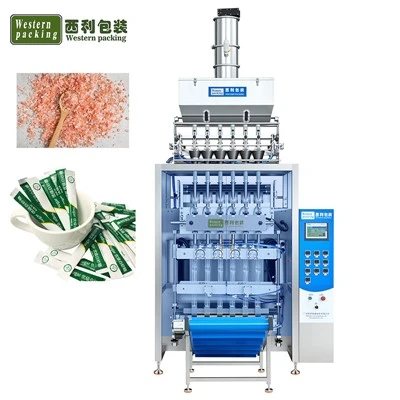
Preventing ESI in granule packaging machines is an ongoing process, not a one-time fix. Regular maintenance—including cleaning ionizer tips, checking grounding wires, and calibrating humidity sensors—will keep static levels low over time. As a supplier of automatic granule packing machines and custom solutions for specific products, I always work with clients to design ESI control systems tailored to their needs, whether they’re running a small line for artisanal snacks or a high-speed line for pharmaceuticals.
If you’re experiencing ESI-related issues on your granule packaging line, or you’re looking to upgrade your machine to reduce these risks, I’m here to help. We can assess your current setup, test for static buildup points, and implement solutions that minimize downtime and improve product quality. Contact our team today to discuss your specific needs.
References
- IEEE Industry Applications Society. (2019). Static Electricity Control for Industrial Packaging and Processing. IEEE Press.
- National Food Processors Association. (2020). Guidelines for Static Control in Food Packaging Lines. NFPA Publications.
- Occupational Safety and Health Administration (OSHA). (2021). Electrostatic Hazard Control for Industrial Machinery. OSHA Technical Manual, Section 5.
- Packaging Machinery Manufacturers Institute (PMMI). (2022). Best Practices for Preventing Electrostatic Interference in Vertical Form-Fill-Seal Packaging Systems. PMMI Technical Bulletin.