

If you’ve ever walked through a food processing plant, a cosmetic manufacturing facility, or even a small-scale sauce production shop, you’ve likely seen a liquid packaging machine in action. These machines are the workhorses that turn raw liquids—from honey and shampoo to salad dressing—into sealed, portable packages that make our daily lives easier. But if you’re a production manager or a business owner relying on these machines to hit deadlines and keep costs low, you’ve probably asked yourself: Can a liquid packaging machine work continuously for a long time?
I’ve been in the liquid packaging machine supplier business for over a decade, and this is one of the most common questions I get from new and returning clients. The short answer is yes—but it’s not as simple as just flipping a switch and letting it run nonstop. Continuous operation depends on a mix of machine design, maintenance, the type of liquid being packaged, and how well you tune the system to your specific needs. Let’s break this down, because the truth is, a well-engineered machine paired with smart practices can run for years without a major breakdown, while a cheaply built model or a misused one will sputter out long before its time.
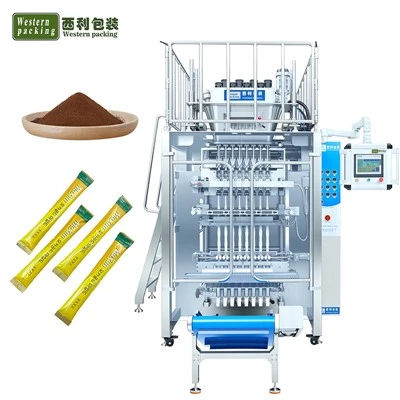
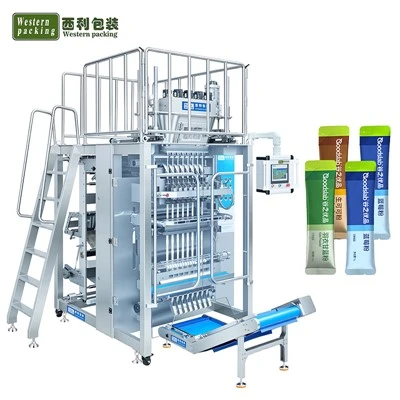
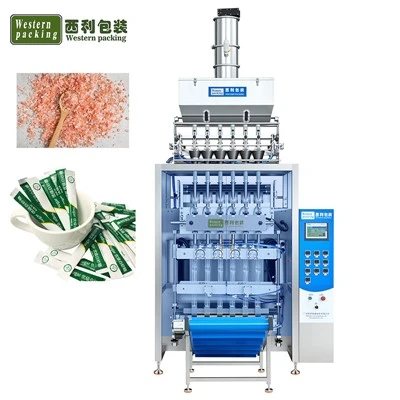
First, let’s talk about what “continuous operation” actually means here. For most manufacturing environments, this doesn’t mean 24/7/365 without a single pause. That’s a rare scenario—even large beverage factories take short breaks for cleaning, part swaps, and preventive maintenance. Instead, continuous operation for a liquid packaging machine means consistent, uninterrupted runs of 8 to 12 hours (or longer) between scheduled stops, with only minor hiccups that don’t derail production. Some of our clients run their Liquid Stick Sachet Packaging Machine for 10-hour shifts, five days a week, with no unplanned downtime for months at a time.
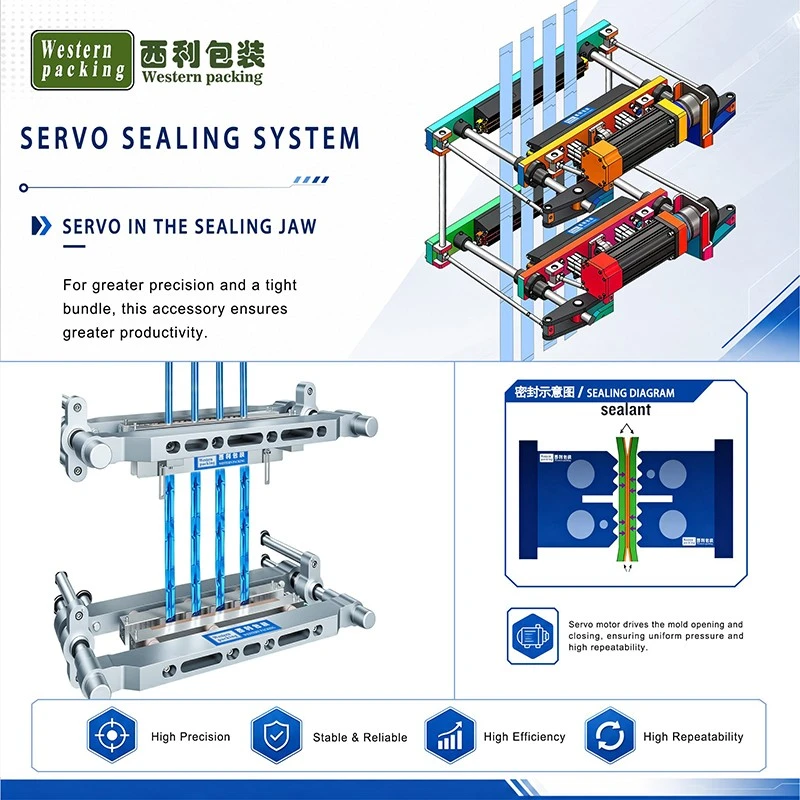
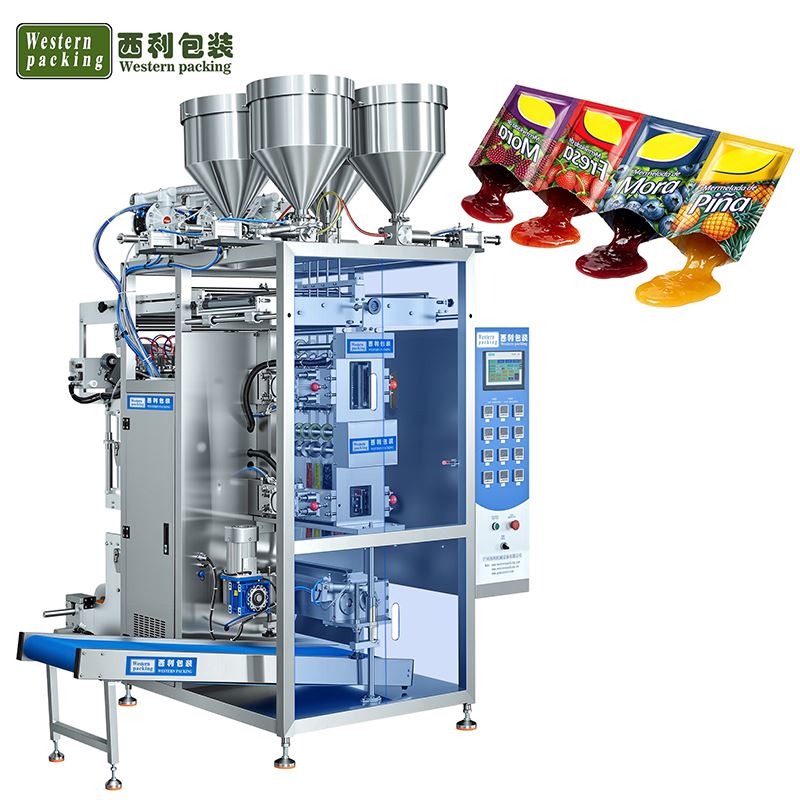
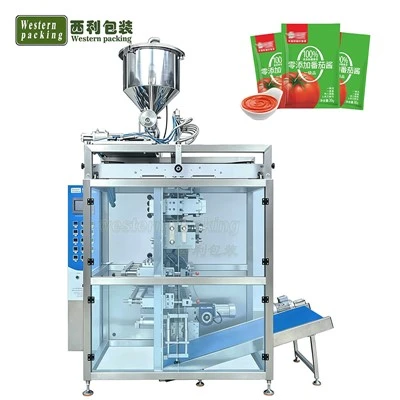
The first factor that determines how long a liquid packaging machine can run continuously is its build quality. Not all liquid packaging machines are created equal. Many entry-level models skimp on materials to cut costs—using flimsy plastic gears, thin stainless steel that can corrode, or low-quality sensors that jam when dealing with thick or sticky liquids. At our company, we build our machines with commercial-grade components designed for heavy-duty use. For example, the gears in our Sauce Pouch Packaging Machine are made from hardened steel that can handle the high friction of moving thick tomato sauce or BBQ marinade for hours on end, without wearing down as quickly as plastic alternatives.
Stainless steel is another non-negotiable for continuous operation, especially when working with food or cosmetic liquids that require strict hygiene. A machine made from 304 or 316 stainless steel won’t rust or degrade when exposed to moisture, acids, or the cleaning chemicals you need to use between runs. We once had a client who tried a budget sauce packaging machine made from regular steel; within six months, rust had started to seep into the crevices where the pouch seals form, leading to leaks and a complete machine failure. They switched to our Liquid Stick Pack Packaging Machine, which is constructed from food-grade stainless steel, and they haven’t had a corrosion issue in three years.
Next, the type of liquid you’re packaging has a huge impact on continuous run time. Thin, flowable liquids like water or fruit juice are easier on machines because they don’t leave much residue, so they’re less likely to clog nozzles or gum up moving parts. Thick, viscous liquids like honey, shampoo, or peanut sauce are a different story. They stick to every surface they touch, and if not managed properly, that residue can harden over time, causing clogs in the filling nozzles, blocking the film path, or straining the machine’s motor.
Take our Honey Sachet Packaging Machine, for example. Honey is so thick it often needs to be heated slightly to flow smoothly, but if you don’t have a heating system that’s evenly calibrated, parts of the honey will cool and solidify in the nozzle. Our engineers solved this by adding a jacketed heating system that wraps around the filling nozzle, keeping the honey at a consistent temperature so it flows without clogging. That design allows the machine to run continuously for 8 to 10 hours on a single honey batch, whereas a machine without that feature would need to stop every hour to unclog the nozzle.
Similarly, our Shampoo Sachet Packing Machine is built with a self-cleaning mechanism that flushes a mild detergent through the filling system after every roll of sachets. Shampoo is sticky and has conditioning agents that can leave a film, so the self-cleaning function prevents buildup without requiring a full tear-down of the machine. This means clients can run the shampoo machine for 12-hour shifts without pausing to clean, which is a big win for production efficiency.
Maintenance is the make-or-break factor for long-term continuous operation. Even the best machine will fail if you skip basic maintenance. I see this all the time: a client buys a new packaging machine, uses it nonstop for six months, and then wonders why it suddenly breaks. They never changed the oil in the motor, never cleaned the air filters, never tightened the loose bolts on the sealers. Maintenance isn’t a chore—it’s how you extend the run time between stops.
For our machines, we provide detailed maintenance checklists with every unit. These include daily tasks like wiping down the film path and checking for clogs in the nozzles, weekly tasks like lubricating the moving gears, and monthly tasks like calibrating the temperature sensors and inspecting the seals. One of our long-term clients who makes salad dressing runs our sauce packaging machine 10 hours a day, six days a week. They follow our maintenance schedule to the letter, and they’ve only had one minor breakdown in four years— a worn-out sensor that cost $50 to replace, rather than a full machine overhaul.
Another thing to consider is load management. Even a heavy-duty machine can’t run at 100% capacity 24/7 without wearing out. When you run a machine at maximum speed, every part is working harder than it’s designed to, leading to faster wear and tear. We usually recommend that clients run their machines at 70-80% of their maximum capacity for continuous operation. That gives parts like the sealer jaws, the motor, and the conveyor belt a chance to cool down between cycles, which prevents overheating and extends the machine’s lifespan.
Overheating is a common issue that cuts short continuous runs. When a machine is working nonstop, the motor, the heating elements for the pouch seals, and the pumps can all get too hot. That’s why all our liquid packaging machines have built-in thermal sensors that automatically shut down the machine if the temperature gets too high. But you can help prevent overheating by making sure the machine is placed in a well-ventilated area, not in a tight corner where air can’t circulate. We had a client who stored their shampoo packing machine in a small, unventilated room; within a year, the motor was overheating every three hours, forcing them to stop production. Once they moved the machine to a larger space with good airflow, those overheating stops disappeared.
There are also some common mistakes that can prevent a liquid packaging machine from running continuously. One is using the wrong type of packaging film. If the film is too thin or has the wrong seal coating, the sealer jaws will have to work harder to create a tight, leak-proof seal. That extra strain can cause the sealer to overheat or wear out faster. We supply our clients with film that’s specifically matched to their machine, whether it’s for stick sachets, sauce pouches, or honey sachets, and this small change has cut down on unplanned stops for many of our clients.
Another mistake is not training your operators properly. A machine is only as good as the person running it. If an operator is forcing the film through the path, or not loading the liquid reservoir correctly, they can cause jams that lead to downtime. We offer on-site training for all our clients, and we also have a 24/7 support line if an operator runs into a problem. Last year, a small business owner in Texas called us at 8 PM because their liquid stick sachet machine was jamming. Our support team walked their operator through a quick fix over the phone, and they were back up and running in 15 minutes. That’s the kind of support that helps keep machines running continuously.
Now, let’s talk about real-world examples. We recently worked with a company that makes natural honey, and they needed a machine that could fill 10,000 honey sachets a day. They were using a small, manual filler before, which was slow and inconsistent. They invested in our Honey Sachet Packaging Machine, which is designed for high-volume, continuous runs. After six months of use, they told us that the machine runs 10 hours a day, five days a week, with only one scheduled stop per day to top up the honey reservoir and do a quick wipe-down. They haven’t had any major breakdowns, and their output has doubled since switching to our machine.
Another client is a sauce manufacturer that makes 5,000 sauce pouches an hour. They had been using an older machine that would jam every two hours, so their production line was always falling behind. They upgraded to our Sauce Pouch Packaging Machine, which has a modular design that makes it easy to clear jams without shutting down the entire line. Now, they run the machine 12 hours a day, only stopping twice a day for full cleaning and maintenance. Their downtime has gone down by 80%, which has saved them thousands of dollars in labor and lost revenue.
So, to circle back to the original question: Can a liquid packaging machine work continuously for a long time? The answer is a resounding yes—if you choose the right machine, use it correctly, and stick to a regular maintenance schedule. It’s not just about the machine itself, but how you integrate it into your production process. Skipping maintenance, using cheap components, or running the machine beyond its design limits will lead to frequent breakdowns. But with the right setup, a high-quality liquid packaging machine can run continuously for years, helping you meet production goals, reduce costs, and keep your business growing.
If you’re in the market for a liquid packaging machine that can handle long, continuous runs, I encourage you to reach out to our team to discuss your specific needs. We have a range of machines designed for different liquids and production volumes, from small-scale models for startups to high-volume machines for large factories. Our goal is to help you find a solution that works for your business, not just sell you a machine. We’ll walk you through the design features, maintenance requirements, and support options to make sure your new machine runs smoothly for years to come. Don’t let downtime hold your production back—let’s find the right liquid packaging machine for you today.
References
- Smith, J. (2021). Industrial Packaging Machinery: Design, Operation, and Maintenance. Manufacturing Engineering Press.
- Lee, S., & Chen, L. (2022). Viscous Liquid Packaging: Challenges and Solutions in Flexible Form-Fill-Seal Machines. Journal of Packaging Technology and Science, 35(4), 189-205.
- Global Food Packaging Association. (2023). Best Practices for Continuous Operation of Food Processing Equipment. Industry Guidelines Series, Vol. 12.
- Garcia, M., & Patel, R. (2020). Corrosion Resistance in Stainless Steel Packaging Machinery for Hygienic Applications. Materials and Design, 195, Article 109023.