

If you’re in the packaging manufacturing space, especially sourcing machinery to streamline pouch or sachet product flow, understanding the regulatory and industry certifications required for a pouch cartoning machine isn’t just a box-ticking exercise—it’s critical to keeping your production line compliant, safe, and efficient. For the past seven years, I’ve worked as a key account manager at a packaging machinery supplier, speaking daily with pharmaceutical, food and beverage, and personal product clients who come to us for everything from small-batch manual models to high-speed industrial equipment. Over that time, one question comes up more often than any other: “What certifications do I actually need for a pouch cartoning machine?” It’s easy to get overwhelmed by conflicting requirements across regions and industries, so let’s break this down clearly, tailored to the needs of business owners, plant managers, and compliance officers who are evaluating new cartoning equipment.
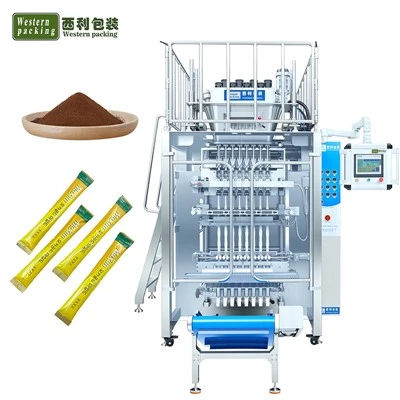
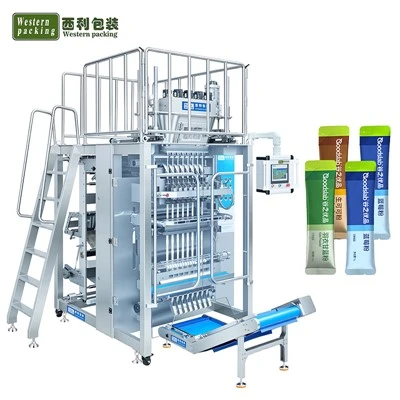
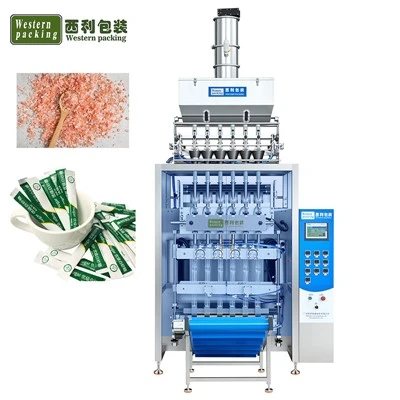
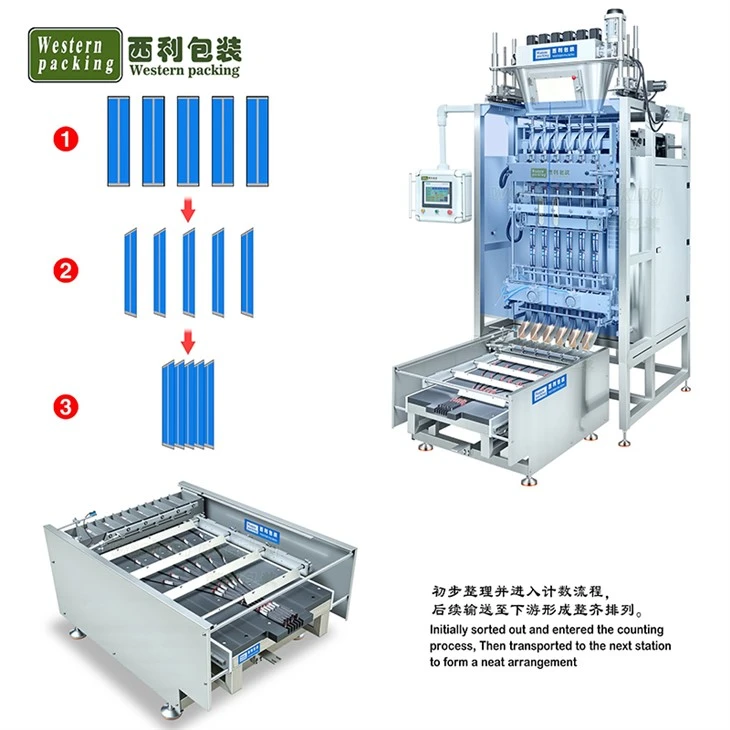
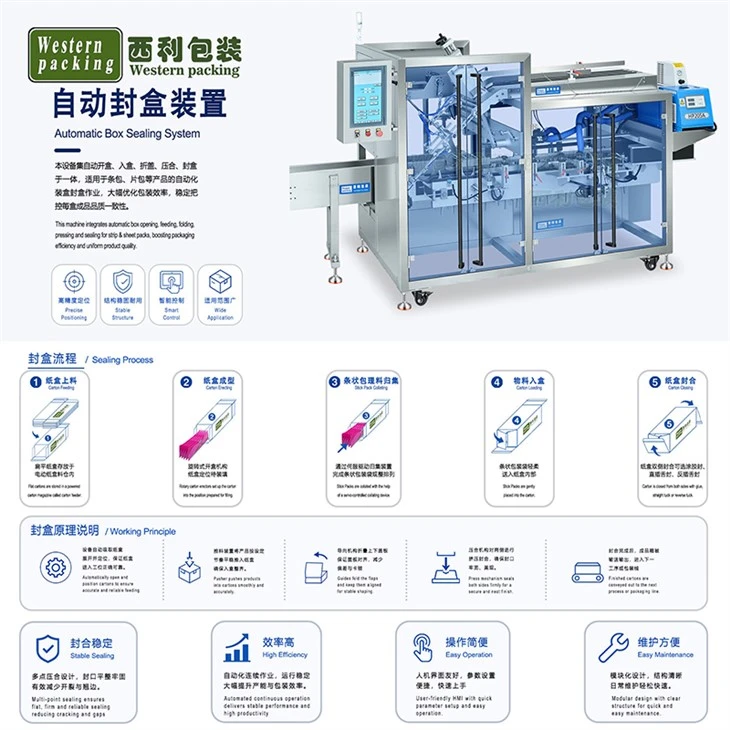
First, it’s important to define what a pouch cartoning machine does, because the required certifications shift based on the products it handles. A pouch cartoning machine takes pre-filled, sealed pouches (or sachets, often a smaller variant of pouch) and inserts them into folded, printed cartons—think of stick-shaped sachets for coffee creamers, individual tea bags, or personal care samples that go into a retail box. There are specialized models too, like Stick Sachet Cartoning Machines designed for narrow, elongated stick packs, and Automatic Stick Bag Cartoning Machines built for high-volume, consistent stick pack integration. Whether you’re running food, pharma, or consumer goods, the core certifications fall into three categories: global safety and performance standards, industry-specific regulations, and regional compliance mandates. Let’s start with the most universal, non-negotiable certifications, no matter what you’re packaging.
First and foremost, OSHA (Occupational Safety and Health Administration) compliance for North American clients and ISO 12100 (the international standard for machinery safety) are foundational. Every cartoning machine, including entry-level models and specialized solutions like Sachet Cartoners, has moving parts, pinch points, and automated functions that present safety risks to operators. OSHA’s general industry standards (29 CFR 1910) require that all machinery have guarded moving parts, emergency stop (E-stop) buttons within easy reach, clear warning labels, and interlock systems that shut down the machine if a guard is opened mid-operation. ISO 12100, adopted by many countries beyond the U.S., sets out risk assessment protocols that manufacturers must complete to identify and mitigate potential hazards—from electrical shocks to unintended machine startup. When we work with pharma clients, we always highlight that our entire line of Cartonator Packing Machines comes with third-party audit confirmations of ISO 12100 compliance, because it’s not enough for a supplier to self-attest to safety; most plant auditors will require a formal, documented risk assessment report.
Next, electrical safety certifications, which vary slightly by region but are non-negotiable for all powered machinery. For machines sold in the U.S. and Canada, UL (Underwriters Laboratories) certification is the gold standard. UL testing verifies that the machine’s electrical components, wiring, and control systems meet strict fire, shock, and hazard standards—critical for preventing workplace accidents and ensuring the machine is compatible with standard North American electrical grids. For clients in the European Union and UK, CE marking (which includes compliance with the Machinery Directive 2006/42/EC and Low Voltage Directive 2014/35/EU) is required. CE marking is not a self-declaration; it requires that a third-party notified body test and confirm the machine meets EU safety, health, and environmental protection requirements. One common mistake we see new buyers make is assuming that a machine with UL certification will automatically work for EU facilities—never the case, and it can lead to costly reworks or import delays. For global clients, we also offer models that are dual-certified for both UL and CE, so they can deploy the same line across multiple regional facilities without retrofitting.
Beyond safety and electrical standards, hygiene and cleanability certifications are make-or-break for food and pharmaceutical packaging, the two largest end markets for pouch cartoning equipment. If you’re packaging food products, especially ready-to-eat items or ingredients meant for consumption, the machine must meet 3-A Sanitary Standards for food equipment (for North America) or EU 1935/2004 for materials that come into contact with food. These standards dictate everything from the use of non-corrosive, easy-to-wipe-down materials (stainless steel is a requirement for most food-grade models) to the design of internal parts that prevent bacterial buildup, with no hidden crevices or hard-to-reach areas for cleaning. For pharmaceutical applications, including oral solids, liquids, or topical treatments, cGMP (current Good Manufacturing Practices) compliance outlined by the FDA is non-negotiable. cGMP requires that machinery be designed, operated, and documented to consistently meet quality standards, with full traceability of production runs, validated process controls, and detailed maintenance logs. Many pharma clients also ask for separate EHEDG (European Hygienic Engineering and Design Group) certification, which is widely recognized across global pharma supply chains as a benchmark for hygienic equipment design. Even for personal care products, which often have looser standards than food or pharma, EHEDG or 3-A certification is a huge selling point because it reduces contamination risk and speeds up regulatory audits.
Then there are industry-specific certifications that apply only to certain product segments, which buyers often overlook when first researching cartoning machinery. For example, if you’re packaging medical devices or diagnostic tests, ISO 13485 certification for the entire machine’s manufacturing process is required. ISO 13485 is a quality management system standard specifically for medical devices, ensuring that the machinery supplier follows rigorous design control, risk management, and documentation processes that align with global medical regulatory requirements. For cannabis packaging in the U.S., a fast-growing segment that requires child-resistant packaging, cartoning machines must meet state-specific child-resistant (CR) standards, like those set by the National Conference of State Legislatures (NCSL) or individual state regulatory bodies. In the cannabis space, we’ve seen clients need additional testing to confirm that the cartons inserted by their Sachet Cartoning Machine meet CR requirements, which means our team works with third-party testing labs to provide formal documentation for each machine. Even for household goods or cosmetic products, if they’re sold to retail chains that have strict in-house sustainability requirements, some buyers ask for certifications like FSC (Forest Stewardship Council) for the carton packaging material, though that’s typically the responsibility of the packaging, not the cartoning machine itself—still, it’s worth noting that many reputable machinery suppliers offer pre-configured lines that work seamlessly with FSC-certified cartons to reduce extra work for buyers.
It’s also important to address a common question: are there any certifications required for used or refurbished pouch cartoning machines? Many small businesses look to used equipment to cut costs, but this is a high-risk move if you skip certification checks. For any used machine being installed in a U.S. facility, OSHA still applies—and many states require that the machine meet current safety standards, not just the standards when it was first built. A refurbished machine from a reputable supplier should come with re-testing and documentation for UL or CE certification, updated guarding systems to meet modern safety rules, and a full risk assessment. We often work with small craft food brands that start with refurbished equipment, and we always insist on re-certification before delivery, because we don’t want a client to face OSHA fines or line shutdowns down the line.
Now, how do you verify these certifications when evaluating a cartoning machine? Any legitimate machinery supplier will provide full copies of certification documents before you even place an order, and reputable suppliers like ours make these documents available for review on request. It’s also worth asking for third-party audit reports, not just self-attestations—some suppliers will mark up a machine as “OSHA-compliant” without actually completing a risk assessment. When clients come to us looking for a Stick Sachet Cartoning Machine, for example, we share our ISO 12100, UL, and 3-A certification reports upfront, so there’s no back-and-forth. For high-speed lines like the Automatic Stick Bag Cartoning Machines used in large coffee or protein powder facilities, we also provide documentation of performance certifications, confirming that the machine runs at its rated speed without compromising pouch or carton integrity—something that’s separate from safety certifications, but just as important for production efficiency.
One last point: regional regulatory nuances can trip you up, so always check with your local regulatory body before making a final decision. For example, in Australia and New Zealand, the Machinery Safety Standard (AS/NZS 4024) replaces ISO 12100, so machines sold there must comply with that specific standard, rather than the EU’s CE marking. In Canada, CSA Group certification is often preferred over UL, though UL is still widely accepted. We’ve had clients from Australia who tried to import a machine with only CE marking, and they had to send it back to modify the control systems to meet AS/NZS standards—an avoidable cost that could have been prevented by clarifying requirements early in the process.
At the end of the day, the right certifications for your pouch cartoning machine depend on three core factors: what product you’re packaging, where you’ll operate the machine, and the regulatory expectations of your customers. Whether you’re a small craft tea brand looking for a reliable Sachet Cartoner for low-volume runs, a mid-sized snack producer scaling up with a Cartonator Packing Machine, or a large pharma company needing validated cGMP-compliant equipment, taking the time to verify certifications upfront will save you from costly delays, fines, or safety hazards down the line.
If you’re ready to explore tailored cartoning machine solutions that meet your specific certification and production needs, our team is here to discuss your requirements and help you find the right equipment for your packaging line. We work with clients across industries to deliver certified, reliable machinery that fits both their compliance rules and their operational goals.
References
- Occupational Safety and Health Administration (OSHA). (2024). 29 CFR 1910: General Industry Standards. U.S. Department of Labor.
- International Organization for Standardization (ISO). (2010). ISO 12100:2010: Safety of Machinery – General Principles for Design – Risk Assessment and Risk Reduction.
- U.S. Food and Drug Administration (FDA). (2023). Current Good Manufacturing Practice (cGMP) for Finished Pharmaceuticals (21 CFR Part 210 and 211).
- European Commission. (2006). Directive 2006/42/EC of the European Parliament and of the Council on Machinery.
- Underwriters Laboratories (UL). (2024). UL 1004: Standard for Safety for Rotating Electrical Machines.