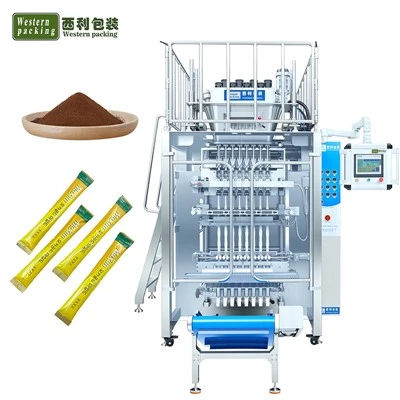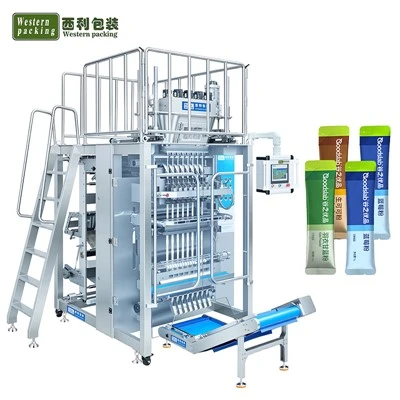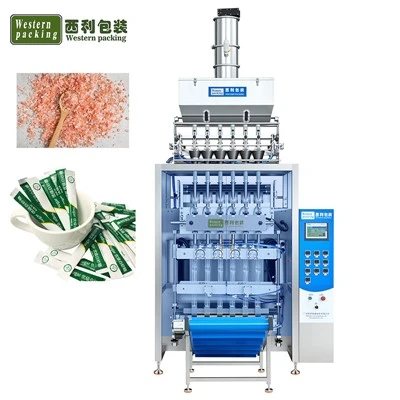


As a supplier specializing in cartoning machinery, I get this question all the time: can a stick sachet cartoning machine really be used for cosmetic packaging? At first glance, it seems like a niche application—stick sachets are most commonly associated with single-serve portions of coffee, protein powder, or salad dressing, right? But in recent years, cosmetic brands have been adopting this compact, mess-free packaging format in droves, and that’s left many operators wondering if their existing stick sachet cartoning line can adapt, or if they need to invest in entirely new equipment. Let’s break this down, because the answer isn’t a simple yes or no—it depends on a mix of machine flexibility, cosmetic packaging requirements, and how well your line is set up to handle unique cosmetic products.
First, let’s define what we’re talking about. A stick sachet cartoning machine is designed to take pre-made stick-shaped sachets (the long, narrow, sealed pouches you tear open at one end) and insert them into folded cartons, which protects the sachets during shipping, adds branding space, and makes storage or retail display easier. The core functions here are consistent: feeding carton blanks, folding them into their final shape, picking and placing individual sachets into the carton, sealing the carton, and stacking or packaging finished units for distribution.
Now, cosmetic products that use stick sachets aren’t just a flash in the pan. Think single-use face masks, lip gloss samples, hair treatment sachets, or even small amounts of serum or moisturizer for travel—all of these fit neatly into stick sachets, and their compact size makes them perfect for the growing demand for travel-sized or trial-sized cosmetic products. That’s where the question of adapting a stick sachet cartoning machine comes in. But before we dive into adaptability, let’s talk about the non-negotiable requirements for cosmetic packaging, because that’s where the line between a good fit and a bad fit gets blurry.
Cosmetic packaging has strict standards that food or beverage packaging might not prioritize as heavily. For one, cosmetics often have sensitive ingredients—many are water-based, or include active compounds like vitamin C or hyaluronic acid that degrade if exposed to air, moisture, or light. So the packaging process has to be clean, and the cartoning machine has to be compatible with the sachets themselves, which for cosmetics are often made of different materials than food sachets. Food stick sachets are usually plastic or aluminum-plastic laminates, but cosmetic sachets might include foil layers for light protection, or even compostable materials for eco-friendly brands. That means the pick-and-place system on your cartoning machine has to be gentle enough not to puncture these sometimes delicate cosmetic sachets, while still being fast enough to keep up with production speeds.
Another big factor: product dimensions. Stick sachets for coffee are typically 10 to 15 cm long and 2 to 3 cm wide, but cosmetic sachets can vary widely. A sample lip gloss sachet might be only 8 cm long and 2 cm wide, while a single-use hair mask sachet could be 20 cm long and 4 cm wide. That’s not a problem for a well-designed stick sachet cartoning machine, right? Wait, but only if the machine can be adjusted for different sachet sizes. Some lower-end models are built for only one specific sachet size, but most modern ones have adjustable grippers, guides, and picker heads that can handle varying lengths and widths. This is where doing your homework on machine specs is crucial—if your current machine can only handle a fixed sachet size, you might need to swap out a few parts, but that’s often cheaper than buying a whole new line.
But here’s where it gets trickier. Cosmetic cartoning often requires additional features that you might not find on a standard stick sachet cartoning machine. For example, many cosmetic brands want to print batch numbers, expiration dates, or even QR codes for product authentication directly on the carton during the cartoning process. Some stick sachet machines have inline printing, but not all—you might need to add an extra printing unit, or make sure your machine is compatible with that. Also, if you’re packing trial-sized sachets for retail display, you might need to insert multiple sachets into one carton, or even add an insert that explains how to use the product. A standard stick sachet machine that only handles one sachet per carton won’t work for that, but again, many modern machines, like the automatic stick bag cartoning machine, have adjustable carton loading that can handle 1, 2, or even 3 sachets per carton, depending on your needs.
Wait, let’s talk about real-world examples, because I’ve seen this work for a lot of cosmetic brands. A mid-sized skincare brand I worked with last year was launching a line of travel-sized vitamin C serums in stick sachets. They already had a stick sachet cartoning line for their protein powder products, so they thought they’d have to buy a whole new machine. But after testing their existing equipment, we found that with just a few adjustments—swapping out the grippers to fit the smaller serum sachets, adding a small inkjet printer to print expiration dates on the cartons, and adjusting the carton folding settings—they were able to use their existing line at 85% of its original speed, which was more than enough for their launch volume. They saved over $50,000 by not buying new equipment, and their production ran smoothly for their trial run.
Of course, that’s not to say every stick sachet cartoning machine is equal. If you have an older, non-flexible model, you might run into issues with cosmetic sachets. For example, if your machine has hard, fixed grippers, they could puncture thin cosmetic sachets made for serums, which would lead to product waste and messy production lines. Or if your machine doesn’t have proper sensor technology, it might fail to detect a torn or defective sachet, leading to a broken carton and more waste. That’s why looking for a machine with advanced sensors that can detect sachet presence, size, and even integrity is key when adapting to cosmetic packaging.
Another consideration: regulatory compliance. Cosmetics are regulated differently than food or beverages, depending on the region. In the U.S., the FDA has specific requirements for cosmetic packaging labeling, and in the EU, it’s the EU Cosmetics Regulation. The cartoning process has to be able to apply labels with all the required information, or at least work in tandem with a labeling machine that can handle that. Most modern cartoning machines, including the ones we offer as suppliers, are adaptable to add labelers, printers, or other auxiliary equipment to meet these regulatory needs.
Let’s also address the common misconception that cosmetic packaging is too high-end for stick sachet cartoning machines. Stick sachets are actually more hygienic for many cosmetic products than larger containers, because they eliminate cross-contamination—you don’t have to dip your fingers into a jar, which is a big plus for skincare and makeup products. That’s why brands like Glossier and Sephora have been using stick sachets for their trial products, and it’s only going to become more common as consumers demand more convenient, on-the-go beauty options.
Now, if you’re a cosmetic brand considering this, or a producer with an existing stick sachet cartoning line looking to diversify into cosmetic packaging, what should you look for? First, evaluate your machine’s flexibility: can it adjust to different sachet sizes? Does it have gentle pick-and-place technology that won’t damage delicate sachets? Can it integrate with auxiliary equipment like printers or labelers? If your current machine doesn’t have these features, it might be worth upgrading parts rather than replacing the whole line.
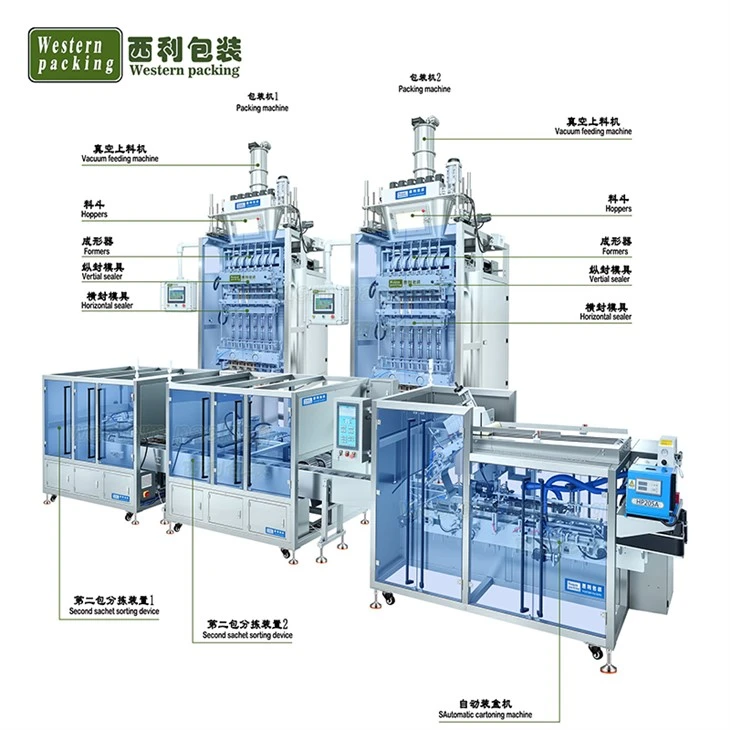
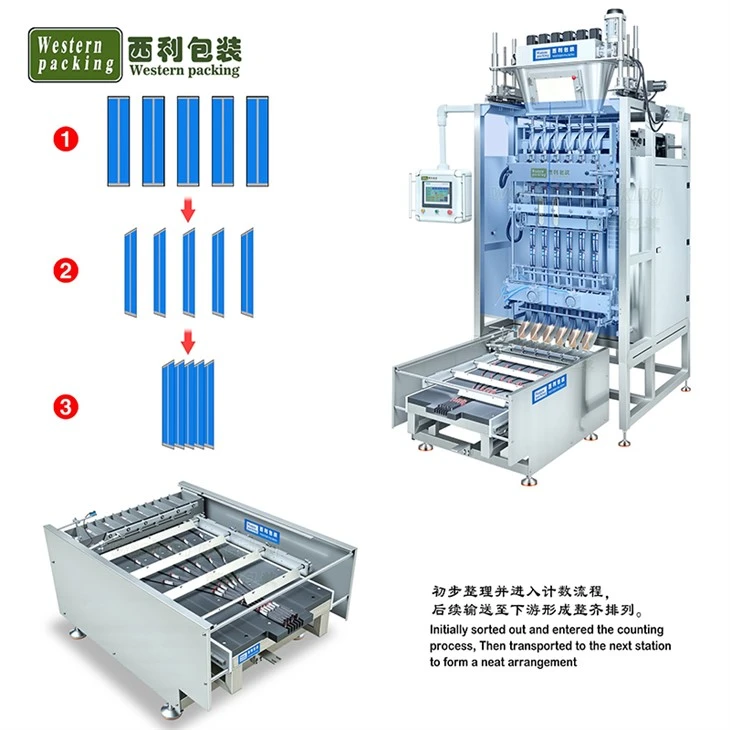
If you’re in the market for a new machine specifically for cosmetic packaging, you’ll want to look for a cosmetic cartoning machine designed to handle the unique needs of cosmetics, including clean operation, compatibility with various sachet materials, and compliance with regulatory labeling requirements. Even if you’re primarily doing stick sachets, a machine with these features will give you the flexibility to adapt as your product line grows.
I’ve also seen a lot of brands hesitate because they think the production speed will drop when switching to cosmetic sachets. But that’s not necessarily true. A well-built automatic stick bag cartoning machine can run at speeds of up to 100 cartons per minute, which is more than enough for most cosmetic production runs, even for mid-sized brands. The key is choosing a machine that’s designed with flexible changeovers, so you can switch between product lines quickly without losing too much production time.
Of course, there are cases where adapting a stick sachet cartoning machine isn’t the best option. If you’re producing large volumes of high-end cosmetic products with very specialized packaging, like airless sachets that need to be filled with precise amounts of product, you might need a machine specifically designed for that. But for most trial-sized or travel-sized cosmetic products, a standard stick sachet cartoning machine can work perfectly well, as long as you make the right adjustments.
Let’s circle back to that example I mentioned earlier. The skincare brand that adapted their line ended up expanding their product line a few months later, adding a line of hair treatment sachets. They were able to adjust their existing machine to handle the slightly larger sachets in just a couple of hours, with no downtime or additional costs beyond a new set of grippers. That’s the beauty of a flexible stick sachet cartoning machine—it grows with your business, so you don’t have to invest in new equipment every time you add a new product line.
If you’re still on the fence about whether your stick sachet cartoning machine can work for cosmetic packaging, the best thing to do is test your sachets with the machine. Most reputable suppliers will offer testing services, where you can send your cosmetic sachets to their facility and run them through the machine to see how it performs. This will help you identify any potential issues, like gripper damage or size compatibility, before you make a big investment.
Now, as a supplier, I want to be clear: not all stick sachet cartoning machines are created equal. When you’re looking for equipment that can handle cosmetic packaging, you need to choose a machine that’s built with flexibility, hygiene, and regulatory compliance in mind. Whether you’re looking to adapt your existing line or invest in new equipment, our team has experience working with cosmetic brands to find the right solution. We offer a range of cartoning machines, including the stick bag cartoning machine, that are designed to handle varying sachet sizes, integrate with auxiliary equipment like printers, and meet the unique needs of cosmetic production.
If you’re ready to explore how a stick sachet cartoning machine can work for your cosmetic packaging needs, we’re here to help. Our team can walk you through the features of our machines, answer any questions you have about adaptability, and even arrange for testing of your specific sachets to ensure a smooth production process. Don’t let the misconception that cosmetic packaging requires specialized equipment hold you back—with the right machine, you can leverage the benefits of stick sachets, from low cost to convenience, for your cosmetic products.
Wait, before I wrap this up, let’s address one last common concern: cleanliness. Cosmetic products often have strict hygiene requirements, especially if they’re coming into contact with skin. A stick sachet cartoning machine designed for food processing might be acceptable, but you’ll want to make sure it’s easy to clean and sanitize. Look for machines with stainless steel construction, smooth surfaces that don’t trap product residue, and easily removable parts for cleaning. This is another feature that many modern cartoning machines offer, so it’s worth prioritizing when you’re evaluating options.
At the end of the day, the question isn’t “can a stick sachet cartoning machine be used for cosmetic packaging?”—it’s “can you choose the right stick sachet cartoning machine (or adapt your existing one) to meet your cosmetic packaging needs?” For most brands, the answer is yes, and it’s a cost-effective way to enter the growing market of stick sachet cosmetic products. Whether you’re a small brand launching your first trial line or a larger operation looking to diversify, the right cartoning machine can give you the flexibility, speed, and compliance you need to succeed.
If you’re interested in learning more about our range of cartoning machines, including options tailored to stick sachet and cosmetic packaging, reach out to our team to discuss your specific needs. We’re here to help you find the perfect solution for your production line, so you can focus on growing your cosmetic business without worrying about packaging equipment challenges.
For more information on how our equipment can support your packaging goals, you can explore our lineup of machines online, including the Sachet Cartoning Machine, Sachet Cartoning Packing Machine, Cosmetic Cartoning Machine, and Automatic Stick Bag Cartoning Machine. Each of these is designed to offer the flexibility and reliability you need for both standard and specialized packaging applications.
When it comes to adapting to new products and market demands, the right equipment partner makes all the difference. We’ve worked with dozens of brands across industries to optimize their cartoning lines, and we’re ready to help you do the same for your cosmetic packaging needs. Don’t hesitate to connect with our team to discuss your project details, and let’s find a solution that works for you.
References
- Global Cosmetic Industry Association. (2023). "Trends in Single-Use and Travel-Sized Cosmetic Packaging." GCI Quarterly Report.
- Packaging Digest. (2022). "Stick Sachets: The Rising Star in Convenient Food and Beauty Packaging."
- FDA. (2021). "Regulatory Requirements for Cosmetic Packaging Labeling and Production."
- European Commission. (2020). "EU Cosmetics Regulation: Good Manufacturing Practices for Packaging Operations."