

If you’re running a production line for stick bags—think single-serve packets of coffee, protein powder, or energy supplements—your cartoning machine isn’t just a piece of equipment, it’s the link between loose, individual stick bags and the finished, shelf-ready product. As a supplier of specialized packaging machinery, I’ve spent years troubleshooting with production managers, maintenance technicians, and line leads, and one of the most common questions I hear is: What temperature range is actually ideal for a stick bag cartoning machine to run smoothly?
It’s not a trivial question, either. Too hot or too cold, and you’re looking at everything from misaligned cartons to jams that cost you hours of downtime, not to mention wasted raw materials and missed deadlines. Over the years, I’ve seen production lines push their equipment past comfortable limits just to meet demand, only to end up stuck repairing misfeeds or reworking cartons that fell apart mid-cycle. Let’s break this down: the science behind machine temperature tolerance, the range that works for most standard operations, and how adjusting for site-specific factors can keep your stick bag line running consistently.
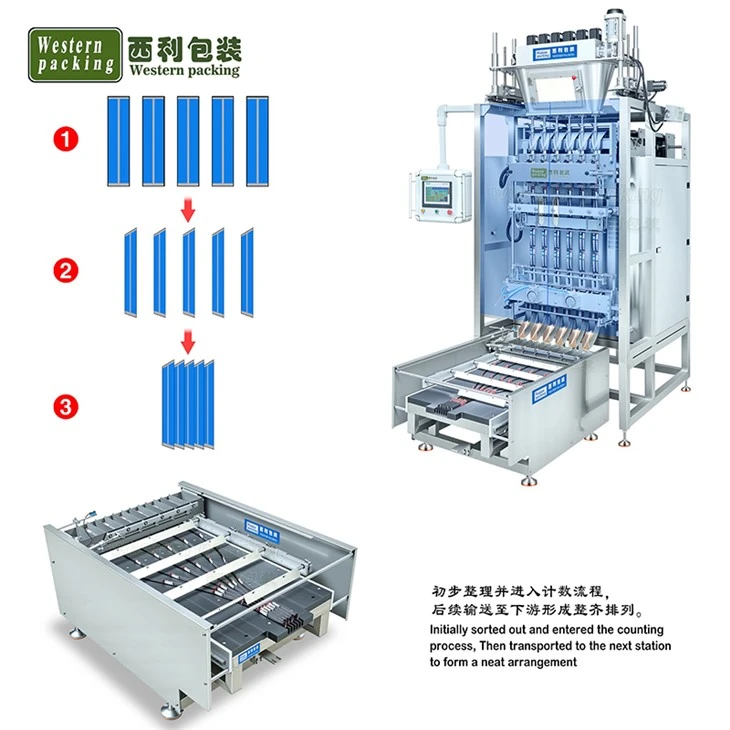
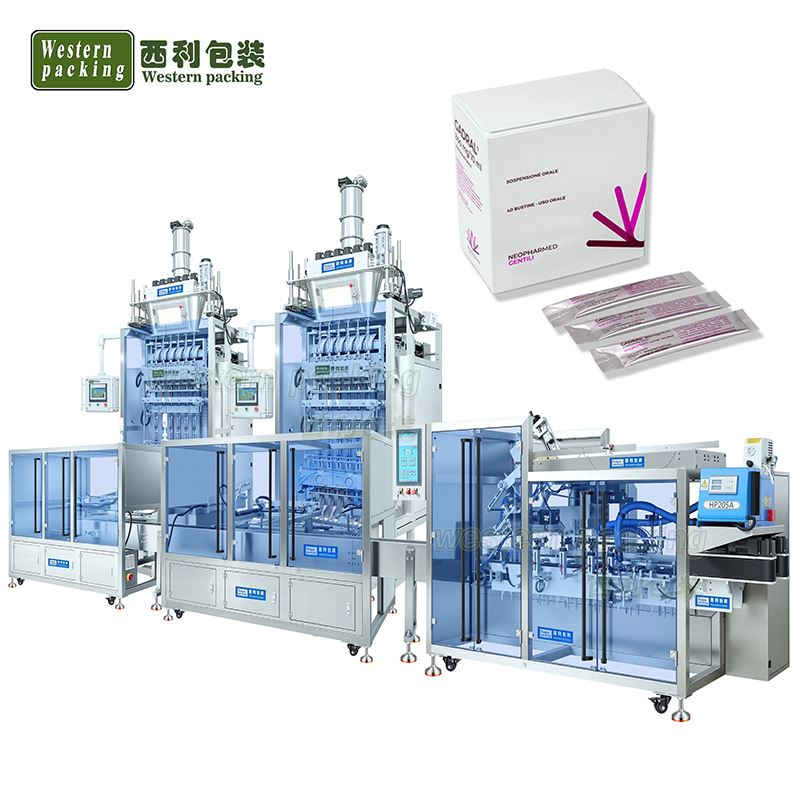
To start, it helps to remember how a stick bag cartoning machine works. These machines do three core jobs: they pick up individual stick bags (often via vacuum, gripping, or feeding belts), they open and erect cardboard cartons, and they place the stick bags inside the cartons before sealing the flaps. Most modern stick bag models integrate counting systems to ensure exactly the right number of stick bags go into each carton, which is where systems like the Stick Bag Counting Packing System come in handy. Every part of this process relies on a delicate balance of materials—plastic stick bags, cardboard cartons, rubber belts, and lubricants—that all behave differently as temperatures change.
Let’s start with the lower end of the temperature range. If your facility dips below 15°C (59°F), you’ll start to see problems almost immediately. First, cardboard becomes brittle. The cellulose fibers that make up cardboard stiffen in cold temperatures, which makes them harder to fold. The flaps that get tucked or glued shut won’t bend cleanly, leading to partial seals or flaps that snap off mid-cycle. I had a client last winter in a warehouse that only kept heat on in the office area, not the production floor—by 7 a.m., when the line started, the space was 12°C (54°F). In three hours, their line had 17 carton jams, all from brittle flaps breaking when the machine tried to tuck them. They tried cranking up the line speed to compensate, but that just made the jams worse.
Cold temperatures also affect the stick bags themselves. Most stick bags are made of plastic laminates—polyethylene, polypropylene, or a mix that works for product freshness. When it’s below 15°C, the plastic becomes less flexible; it can’t conform as easily to the machine’s pick-up grippers, so the vacuum heads that hold the stick bags frequently lose their grip. I’ve seen lines that were designed to process 120 stick bags per minute drop to 80 just because the plastic was too stiff to pick up consistently. Even the lubricants in the machine’s moving parts start to thicken in cold conditions. The belts that feed cartons and stick bags rely on slippery, low-viscosity lubricants to move smoothly; when they thicken, the belts slip, leading to misaligned cartons and stick bags that aren’t fed into the right spot.
Now for the upper end of the temperature range. Above 30°C (86°F), you run into a different set of issues—ones that are just as disruptive, but often harder to spot until it’s too late. The first casualty here is usually the glue. Most cartoning machines use hot melt glue, which is the standard for fast, strong seals. Hot melt glue works when it’s heated to a specific temperature (usually between 120°C and 180°C, depending on the glue formula), but if the ambient air around the machine is over 30°C, the glue cools more slowly than it’s designed to. That means when the carton flaps are pressed together, the glue is still runny, not cured, so they can shift, leading to cartons that leak or fall apart during shipping. I had a cosmetic cartoning machine client in a region with unconditioned warehouse space last summer—they had cartons that looked sealed perfectly when they rolled off the line, but by the time they hit the distribution center, 12% of the seals had opened because the glue never fully cured.
Heat also warps cardboard. At temperatures above 30°C, cardboard absorbs moisture from the air (wait, no—wait, actually, higher temperatures can cause the moisture in cardboard to evaporate too quickly, making it brittle on one side and soft on the other? Wait, no, let me correct that. Properly conditioned cardboard has a moisture content of 8-12%, which gives it flexibility and strength. When temperatures spike above 30°C, especially if humidity is low, the cardboard loses that moisture too fast, turning brittle on the edges. If humidity is high along with high temperature (common in tropical or subtropical facilities), the cardboard absorbs excess moisture, making it soft and prone to stretching. Either way, the machine’s carton erectors can’t form the sharp, consistent folds needed for a tight seal. For stick bags, high heat makes the plastic laminates more pliable and less rigid. If the machine is counting stick bags for each carton, the soft plastic can bunch up in the counting system, leading to overcounts or undercounts—something no brand wants when they’re shipping a product advertised as “10 sticks per carton.” High heat also affects machine electronics. The sensors that detect stick bags and cartons (to trigger the next step in the cycle) can misfire when they overheat, leading to missed feeds or jammed stations. Last year, a client in a Houston warehouse tried running their line through a heatwave where the facility hit 34°C (93°F) on the production floor; their machine’s pick-up sensor failed 12 times in one 10-hour shift, bringing output to a halt.
So what’s the sweet spot, the temperature range that works for most standard stick bag cartoning machines? After working with hundreds of clients, testing machines in controlled environments, and reviewing manufacturer specs, the ideal range is between 18°C (64°F) and 28°C (82°F). This range is wide enough to accommodate most ambient production floor conditions without requiring extreme climate control, but narrow enough to keep all the machine’s components and raw materials working as designed. Let me break down why this works:
At 18°C, cardboard has enough moisture for flexibility without being brittle, plastic stick bags are pliable enough to be picked up by vacuum or grippers, and lubricants stay at the right viscosity. At 28°C, glue cures at the expected rate, cardboard doesn’t warp or absorb too much moisture, and electronic sensors stay stable. Most of the time, this range is easy to maintain—if your facility has basic heating and cooling for production spaces, you’ll hit this mark without extra costs.
But wait, that’s the ideal range for standard operations. There are always variables that can shift this, and as a supplier, I always advise clients to adjust based on their specific setup. For example, if you’re operating a high-speed cartoning machine (link to that: High Speed Cartoning Machine) that runs at 150+ cycles per minute, you need to keep temperatures closer to the middle of that range—say 20°C to 26°C. High-speed machines generate more heat on their own from moving parts, so keeping ambient temps lower prevents overheating. On the flip side, if you’re processing special stick bags, like thick foil-lined packets for food or pharmaceutical products, you might want to aim for the upper end of the range, 25°C to 28°C. The foil plastic is less flexible than standard laminates, so slightly higher temperatures keep it pliable enough to feed without jamming.
Another big variable is humidity, which ties directly to temperature. The ideal temperature range only works if humidity is between 40% and 60%, too. If your space is dry (low humidity) and 22°C, cardboard will still dry out and become brittle; if it’s humid and 26°C, cardboard will absorb too much moisture and become soft. That’s why I always tell clients to track both temp and humidity on their production floor, not just temp alone. I had a client in Thailand who ran their line at 24°C and thought that was perfect, but their humidity was 75%—cartons were coming out soft and bent, stick bags were slipping, and output was down 10%. Once they added a dehumidifier to keep humidity at 50%, the line ran like new, even though the temperature stayed the same.
What if your facility can’t control temp or humidity easily? Maybe you have a mobile production unit, or a space that’s only climate-controlled in small zones. There are workarounds. For cold environments, adding a small heating unit directly to the carton feed station—where the cardboard and stick bags first enter the machine—can raise that specific area to 18°C, even if the rest of the floor is colder. For hot environments, adding venting or small fans near the machine’s glue system and sensors can keep those critical components below 30°C, preventing glue cure issues and sensor misfires. Some clients also use pre-conditioned raw materials—storing cardboard and stick bags in a small, temperature-controlled closet near the line for 24 hours before use, so they acclimate to the right temp before entering the machine.
I also can’t stress enough how regular maintenance ties into temperature-related issues. Even if you’re in the ideal temp range, dirty lubricants, worn grippers, or misaligned sensors will make your machine less tolerant of temp swings. A few months ago, I had a client who had great results running at 22°C, but when their lubricant ran low and got contaminated with cardboard dust, their line started jamming every time the temp dipped to 19°C. After they changed the lubricant and cleaned the moving parts, that tolerance came back, and they didn’t have issues again. So temperature is a big factor, but it’s not the only one—machine condition matters just as much.
If you’re still working through what works for your specific line, it helps to look at similar operations. For example, cosmetic cartoning machine lines (link: Cosmetic Cartoning Machine) that process stick bags of foundation or face cream often use the same temp range, but need extra attention to glue cure because cosmetic cartons need tight, consistent seals. Sachet cartoning machine lines (link: Sachet Cartoning Machine) that handle smaller stick bags or sachets have slightly different feed mechanisms, so their temp sweet spot might be a touch lower to prevent small plastic pieces from slipping. If you’re processing very small stick bags, the Sachet Cartoning Packing Machine might be a better fit, and the temperature guidance for that is adjusted to account for smaller, more delicate pieces.
At the end of the day, the goal is to find a temperature range where all parts of the process work in harmony—stick bags feed smoothly, cartons erect cleanly, glue seals hold, and sensors don’t misfire. As a supplier, I’ve seen clients waste thousands of dollars trying to run their lines outside the ideal range, only to fix small adjustments to temp, humidity, or maintenance and get their output back to expected levels. If you’re dealing with consistent jams, seal failures, or counting errors on your stick bag cartoning line, start with checking your production floor’s temperature and humidity—those are usually the first culprits, and they’re often the easiest to fix.
Whether you’re running a small production line or a high-speed operation, getting the temperature right for your stick bag cartoning machine is key to consistent, reliable output. If you’re looking to upgrade your line or troubleshoot current issues, we have the expertise to help. Feel free to reach out to discuss your specific needs and find the right solution for your production process.
References:
- International Organization for Standardization (ISO) 12048: 2016, Packaging – Complete, filled transport packages – Compression test method
- Cartoning Machine Manufacturer Best Practices, Package Machinery Association (PMA), 2022
- Material Science for Flexible Packaging, John Wiley & Sons, 2021