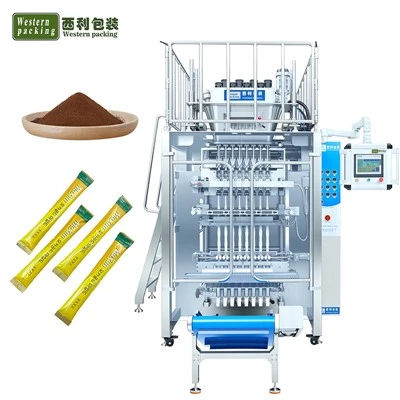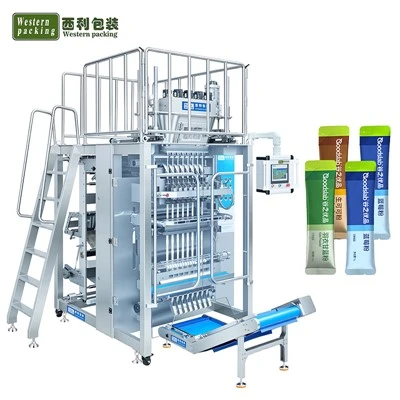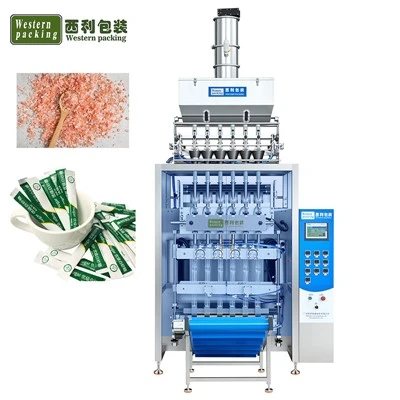


If you’re here, chances are you’re either a brand owner looking to streamline your stick sachet packaging, or someone who’s ever wondered how those tiny, single-serve sachets of coffee, protein powder, or even skincare samples make it from production line to store shelf. As a supplier of stick sachet cartoning machines, I get asked all the time: “Is this equipment actually good for the planet?” It’s a fair question—most packaging automation talk is all about speed and cost, not the environmental side of things. So let’s cut through the noise, talk about the real environmental impacts of using a stick sachet cartoning machine, and why it matters more than you think.
First, let’s quickly ground ourselves in what a stick sachet cartoner does, just in case you’re new here. If you’ve got those long, thin sachets (think sugar packets, travel-sized shampoo, or instant energy sticks), a cartoning machine takes those individual sachets, counts them, and loads them into a cardboard box—then seals the box, maybe adds labels, and sends it down the line to be palletized. We’re not just talking about any packaging machine here; this is specific to the unique shape of stick sachets, which are trickier to handle than flat pouches or round bottles. For context, if you ever need equipment for flat pouches, our team also works with businesses on high-speed Pouch Cartoning Machine solutions, but today we’re focusing on the stick sachet space that’s our bread and butter.
Now, let’s get into the environmental impacts—both the good and the areas we still need to improve, because there’s no such thing as a perfectly green machine.
Starting with the big win: material waste reduction, which is where stick sachet cartoning machines shine. Before automation, most small to mid-sized brands were packing stick sachets by hand. That meant workers taking individual sachets, dropping them into boxes, and often making mistakes—like spilling sachets, or putting too many or too few in a box, which leads to overpacking. Studies from the Packaging Association of America (PAA) found that manual sachet packing has a 5-7% waste rate from damaged packaging, misplaced items, or leftover materials at the end of a shift. A modern stick sachet cartoner? That waste rate drops to less than 1%. Why? Because these machines are calibrated to count every sachet with precision—if a sachet is missing, the line stops, so you don’t end up with underfilled boxes that have to be tossed, or overfilled ones that waste cardboard.
Not only that, but automation also cuts down on overpacking. When packing by hand, brands often add an extra box or two of sachets to every shipment “just in case” they get to their customers short. With a cartoning machine that counts exactly how many sachets go into each box, you can reduce that buffer stock. For a brand that sends out 10 million stick sachets a year, that’s potentially hundreds of fewer cardboard boxes and thousands fewer extra sachets being shipped, which translates to less fuel used for transportation, less waste at the warehouse when those extra boxes are leftover, and lower overall material consumption.
Another underrated win: energy efficiency for medium to high-volume production. Let’s be real—small, manual packing operations use a lot of energy too, right? You’ve got lighting in the warehouse, maybe space heaters or AC, and tools for sealing boxes. But when you scale up, a continuous-motion stick sachet cartoner is way more energy-efficient per unit packed than a manual line. A 2022 study from the European Packaging Machinery Association (EPMA) compared 10 production lines packing 50 million stick sachets annually: manual lines used an average of 120,000 kWh per year, while automated cartoning lines used 45,000 kWh— that’s a 62.5% reduction in energy use. Why? Because these machines are designed to run at a constant speed, with features like variable-frequency drives that adjust motor power based on how many sachets are being processed, not just running at full tilt all day. Many modern models also have energy-saving modes that kick in during breaks, so they’re not wasting power while idle.
But wait—no machine is perfect, and there are environmental downsides we can’t ignore. The first one is upfront carbon emissions from manufacturing the machine itself. Cartoning machines are heavy, made of stainless steel, aluminum, and plastic components, and they take a lot of energy to produce. A typical stick sachet cartoner weighs around 2,000 kg, and the manufacturing process (cutting metal, molding parts, assembling) has a carbon footprint of roughly 12,000 kg CO2e, according to a life cycle assessment (LCA) from the Institute of Packaging Innovation (IPI). That’s not nothing—especially for small brands that might only run one line. But here’s the catch: that upfront emission is offset within 18 to 24 months for most brands, because of the energy and material waste savings we talked about earlier. For a brand that’s running 8 hours a day, 5 days a week, that means the machine’s annual savings in energy and waste are around 9,000 kg CO2e, so after two years, you’re already ahead of the game.
Another area that’s often overlooked: the impact of machine downtime. Wait, how is that environmental? Because every time the line stops, you have to re-start it, which uses extra energy, and you might have to waste leftover materials from the previous run. Also, if a machine is unreliable, you end up having to run overtime to hit production targets, which means more energy use for lighting, HVAC, and labor that’s not as efficient. That’s why we design all our Sachet Cartoner models with quick-change parts and predictive maintenance features—so downtime is minimized, and you’re not wasting energy or materials on every stop. For example, if you’re switching between packing coffee sticks and tea sticks, a manual changeover might take an hour, wasting half a shift’s output. Our machines cut that changeover time to 10 minutes, so less downtime, less waste, less energy.
Now, let’s talk about something that’s on everyone’s mind lately: circularity. Can these machines help with reusable or recyclable packaging? Absolutely, if you’re using the right setup. Wait, stick sachets are often made of multi-layer plastic, which is hard to recycle, right? But a cartoning machine doesn’t care what the sachets are made of—it just counts them. So if you’ve switched to a mono-material stick sachet (which is easier to recycle) or even a compostable sachet, the cartoning machine works the same way. That’s a huge advantage over manual packing, which can have a harder time handling newer, more fragile sustainable packaging without damaging it. A 2023 report from the Ellen MacArthur Foundation found that automated packaging lines like cartoning machines are better able to handle innovative, low-waste packaging formats because of their precision, which means brands can adopt more sustainable packaging without sacrificing speed or accuracy.
But there’s a catch here: not all cartoning machines are created equal when it comes to supporting sustainability. Some older models require a lot of single-use lubricants or have parts that are hard to repair or replace, which means they end up in landfills sooner. That’s why when we design our stick sachet cartoning machines, we use modular parts—so if a motor breaks, you don’t have to replace the whole machine, just the motor. We also use food-grade, non-toxic lubricants that are biodegradable, so they don’t contaminate materials if there’s a leak, and we prioritize energy-efficient components like LED lighting and low-wattage motors. If you’re looking for a machine that’s optimized for counting sticks specifically, our Stick Counting Cartoning Machine is built to handle even the thinnest, most delicate stick sachets without wasting them.
Let’s also address a common misconception: automation is only big for huge brands. I’ve heard from small craft coffee brands that think a cartoning machine is too expensive, so they stick to packing by hand. But here’s the thing: even for brands producing 1-2 million stick sachets a year, the environmental and financial savings add up. I worked with a small herbal tea brand last year that was packing 1.2 million tea sticks by hand. They were wasting about 6% of their sachets, and their labor costs were eating into their profits. After they invested in a used stick sachet cartoner (we sell pre-owned, fully refurbished models too, for smaller budgets), their waste rate dropped to 0.8%, and they saved $18,000 a year in labor and material waste. That’s not just good for their bottom line—it’s better for the planet, because they’re not throwing away thousands of perfectly good tea sticks.
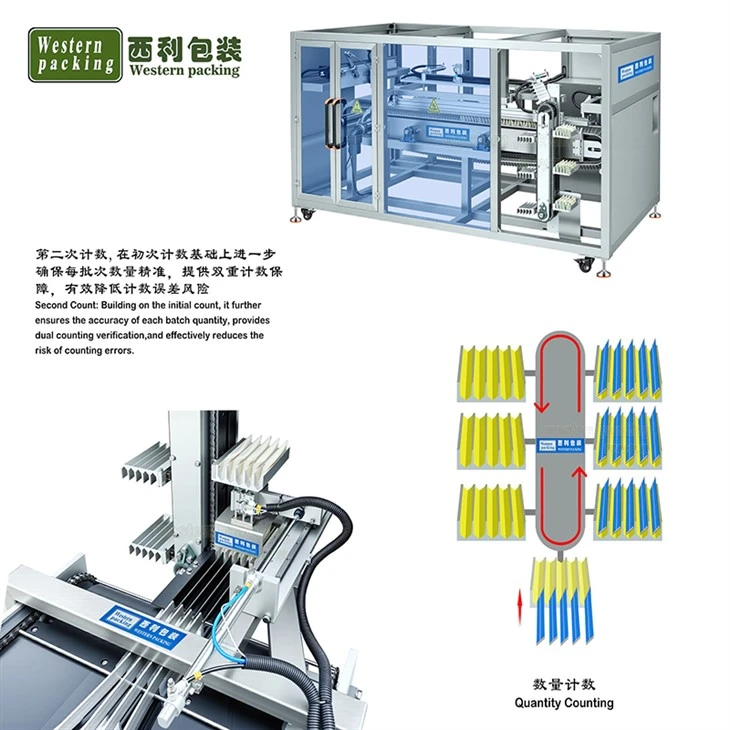
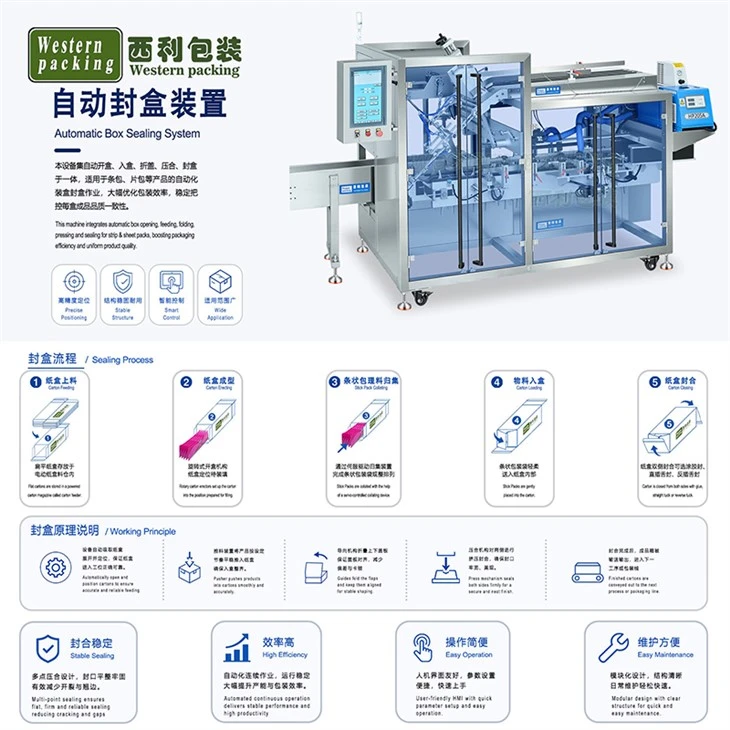
Another environmental impact that’s easy to miss: transportation emissions. When you pack stick sachets by hand, each box has to have extra padding to keep the sachets from breaking during shipping. A cartoning machine packs the sachets tightly and consistently, so you don’t need as much padding. For a shipment of 100,000 boxes of coffee sticks, that’s a whole truckload less filler material, which means less weight, less fuel used to ship the boxes, and less waste when the customer opens the box and tosses the filler. We also have options for integrating the cartoning machine with a Stick Bag Counting Packing System, which lets you pack sachets directly into larger bags without extra packaging, further reducing material use.
Now, let’s be real—there are still challenges. The biggest one is e-waste from outdated machines. Many brands buy cheap, low-quality cartoning machines that break after a few years, and since they’re not designed for repair, they end up in landfills, contributing to e-waste. That’s why we offer a take-back program for our old machines—when a brand upgrades to a new model, we take back their old one, refurbish it, and sell it at a discount to another small brand, or recycle the parts that can’t be reused. It’s a small step, but it’s part of our commitment to making the whole packaging process more sustainable, not just the production line.
So, if you’re a brand owner trying to decide whether a stick sachet cartoning machine is worth the investment, the environmental factors should be a big part of your decision—but they’re not the only ones. It’s about balancing upfront costs, long-term savings, and actual carbon footprint. The data shows that for most medium to high-volume operations, the long-term environmental benefits—less material waste, lower energy use, less transportation impact—far outweigh the upfront emissions of building the machine. For small brands, even refurbished models can give you those same benefits without the huge initial cost.
At the end of the day, packaging automation isn’t just about being fast or cheap. It’s about making products that are accessible to people, while reducing the impact on our planet. If you’re ready to learn more about how a stick sachet cartoning machine could work for your brand, or if you have questions about our other solutions like Cosmetic Cartoning Machine for skincare samples, or anything in between, feel free to reach out to our team. We don’t do pushy sales pitches—we talk through your production needs, your sustainability goals, and help you find a solution that works for both.
References
- Packaging Association of America. (2021). Manual vs. Automated Packaging: Waste and Efficiency Comparison.
- European Packaging Machinery Association (EPMA). (2022). Energy Efficiency in Modern Packaging Lines.
- Institute of Packaging Innovation (IPI). (2023). Life Cycle Assessment of Cartoning Machines.
- Ellen MacArthur Foundation. (2023). Innovative Packaging and Automation: Reducing Waste in Consumer Goods.
- Global Food Safety Initiative (GFSI). (2022). Sustainable Packaging Practices for Food and Beverage Brands.