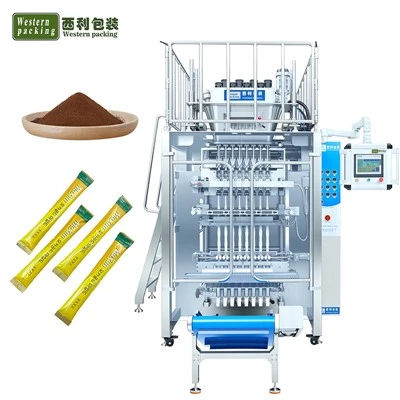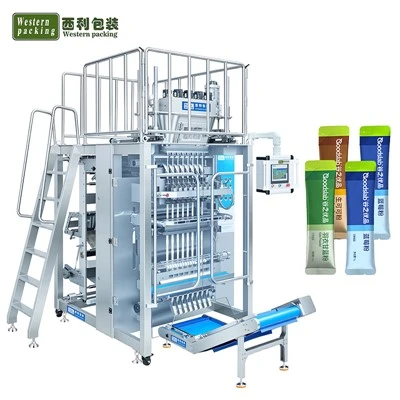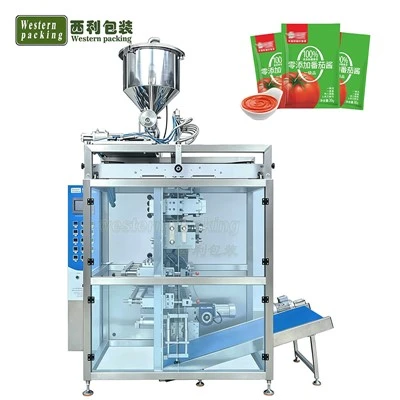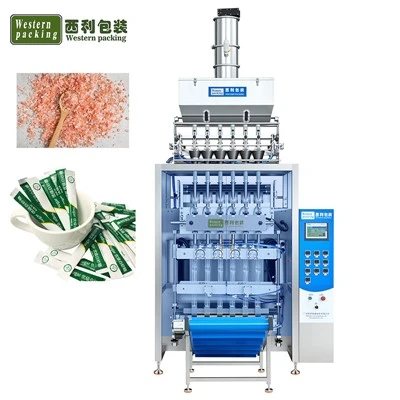


If you’ve ever stood near a liquid packaging machine in a factory and watched it hum through sachets, sticks, or bottles of sauce, jelly, or other liquids, you might not have noticed the quiet safety system working behind the scenes to keep workers and the machine running smoothly. As someone who’s spent the last decade as a liquid packaging machine supplier, I’ve seen firsthand how safety interlock systems aren’t just a regulatory checkbox—they’re the backbone of safe, reliable operations for small-batch artisanal brands and large-scale food manufacturers alike. Let’s break down what these systems actually are, why they matter, and how they integrate with the equipment many of us build and support daily.
First, let’s start with a simple definition: a safety interlock system is a set of mechanical, electrical, or electronic devices designed to prevent access to hazardous parts of a liquid packaging machine while it’s running, or to stop the machine immediately if a safety door, guard, or panel is opened unexpectedly. Liquid packaging machines are full of hazards: sharp cutting blades for sachets, high-pressure pumps that can eject liquid at dangerous speeds, heated seal bars that reach hundreds of degrees Fahrenheit, and moving parts that can catch loose clothing or hair. Without interlocks, a worker reaching to unclog a jam could easily suffer a laceration, burn, or even a more serious injury.
The core of any safety interlock system for liquid packaging machines relies on three key components: guards, interlock switches, and a control logic unit. Guards are physical barriers—hinged doors that cover the cutter station, sliding panels that hide the filling nozzle, or safety enclosures around the drive motor. Interlock switches are mounted to these guards; they’re wired to the machine’s main control system, and they send a signal every time a guard is closed or opened. If a guard is opened while the machine is in automatic mode, the interlock switch triggers an immediate stop—no delay, no chance to hit the emergency button too late. The control logic unit is the “brain” of the system; it validates signals from all switches, ensures no gaps in safety, and can even lock out the machine from restarting until the guard is properly closed.
I’ve seen many brands underestimate how versatile these systems need to be, especially when working with different liquid packaging formats. For example, a multilane jelly stick packing machine runs dozens of small, thin sticks through a high-speed line—its cutter station is tiny and exposed, so the interlock here has to be precise enough to only unlock the cutter when all lane guards are closed, not just one. A jelly sachet packing machine, on the other hand, has a larger, bulkier guard for its forming tube and seal bar, so the interlock here might add a secondary mechanical lock to prevent tampering—someone can’t prop the door open with a piece of scrap metal and reach inside while the machine is moving. That’s why when we design systems for our clients, we customize interlocks to match the machine’s specific hazards, not just use a one-size-fits-all setup.
One common misconception I hear from new clients is that interlocks just stop the machine when a guard is opened, but they don’t address smaller, hidden risks. For instance, many liquid packaging machines use sanitary pumps to push viscous liquids like sauce or jelly; if a pump overpressurizes, it can rupture a seal or hose. Modern safety interlock systems integrate pressure sensors into the logic unit, so if pressure exceeds a safe threshold, the interlock triggers a shutdown before a leak can happen. We recently retrofitted an automatic sauce packing machine for a hot sauce brand that had regular seal failures; adding a pressure interlock cut their downtime for repairs by 75% and eliminated repeated exposure to hot sauce fumes for their maintenance team. That’s a big win—safety doesn’t just prevent injuries, it improves efficiency too.
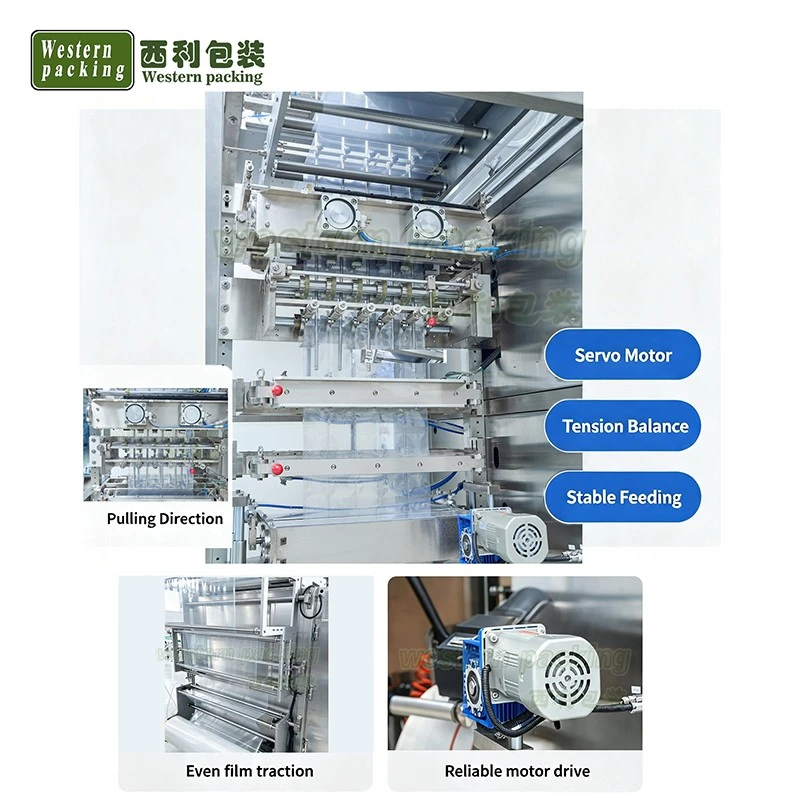
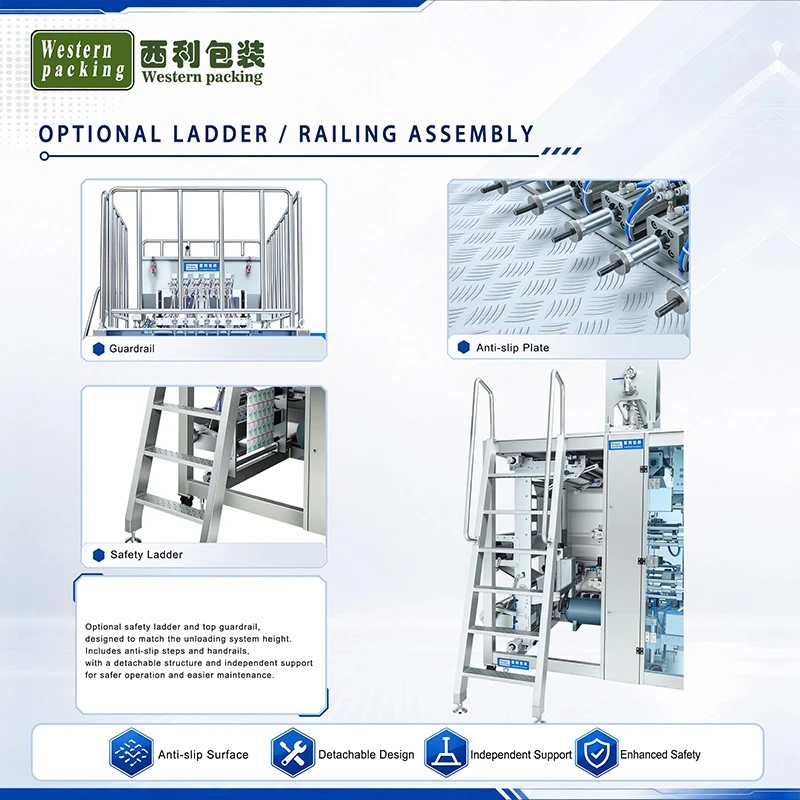
Another layer to consider is lockout/tagout (LOTO) functionality, which is critical for maintenance. When a worker needs to clean or repair a machine, they shouldn’t be able to turn it on accidentally. A good safety interlock system will let maintenance crews lock out the machine at the control panel, overriding all automatic signals, so no one can start the machine while someone is inside the guard. We build this into all our equipment, including our jelly packing machine and liquid sachet packaging machine, because LOTO compliance isn’t just a best practice—it’s required by OSHA and similar regulatory bodies around the world. I’ve had clients skip this feature to save money, and every time, they end up facing fines or, worse, a preventable injury. It’s not worth the cost cut.
Let’s talk about how these systems work in real-time, because that’s the part that doesn’t always get explained. Say a worker on a liquid sachet packaging machine notices a small jam in the forming film, near the seal bar. They reach to open the guard to clear the jam—even if they hit the start button right after, the interlock switch will detect the guard is open, and the machine will stay in a stopped state. The control unit won’t allow restart until the guard is closed and the switch confirms it’s latched properly. Some newer interlock systems even have visual indicators—small lights on each guard that turn green when it’s safe to open, red when the machine is running, and yellow when a guard is partially open. That cuts down on confusion, too; workers don’t have to guess if the machine is safe to access.
I’ve also seen clients confuse safety interlock systems with access control, but there’s a key difference. Access control lets only authorized workers operate the machine, but interlocks are about preventing injury during operation and maintenance. For example, if a factory has multiple shifts, they might add RFID tags to the interlock switches so only a maintenance technician’s tag will unlock the guard for repairs, not a line worker. That’s an extra layer we can add, but it’s still a safety feature, not just a security one. It’s tailored to the client’s workforce and their specific operation, which is why we don’t sell generic interlock systems—we work with each client to map out their hazards first.
Now, let’s address a common question: do older liquid packaging machines need interlock upgrades? Absolutely. I’ve visited factories with 10+ year-old liquid packaging machines that have no interlock systems at all, and those are the ones with the highest rates of workplace incidents. Upgrading an existing machine doesn’t have to be a full replacement, either—we can add interlock switches, guards, and a retrofitted control logic unit to older equipment at a fraction of the cost of a new machine. We recently did that for a small juice brand that couldn’t afford a new line; adding interlocks to their existing jelly sachet packing machine cut their near-misses in half within a month. That’s the kind of impact that makes this work meaningful.
As a supplier, my goal isn’t just to sell a machine—it’s to make sure that machine keeps workers safe and runs reliably for years. That’s why when clients reach out for a multilane jelly stick packing machine or an automatic sauce packing machine, I don’t just walk them through speed or output; I walk them through the safety interlock system, how it works, and what it protects against. I’ve had clients come back to us a year later to say the interlock system caught a jam right as a worker was reaching in, and avoided a trip to the hospital. That’s the best feedback I could ask for, because safety is the thing that no machine manual can fully convey until you’ve seen it save someone.
If you’re a factory manager, safety officer, or brand owner looking to upgrade your liquid packaging equipment or make sure your current machines are compliant with safety standards, the first step is to talk through your specific needs with a supplier who understands the ins and outs of interlock systems. Don’t settle for equipment that treats safety as an afterthought—look for a partner that integrates interlocks into every design, not just as an add-on. To discuss your requirements or explore equipment options, connect with our team for a consultation.
References
- Occupational Safety and Health Administration (OSHA). "Machine Guarding Requirements for General Industry." U.S. Department of Labor, 2023.
- European Machinery Directive 2006/42/EC. "Safety Requirements for Machinery Used in Food and Packaging Industries." European Union, 2022.
- International Organization for Standardization (ISO) 13849-1:2015. "Safety of Machinery - Safety-Related Parts of Control Systems - Part 1: General Design Principles." ISO, 2015.
- Packaging Machinery Association (PMA). "Safety Best Practices for Liquid Packaging Operations." PMA, 2021.