

If you’re in the packaging industry, you’ve likely heard of Cartonator Packing Machines—they’re a staple for companies that rely on precise, consistent carton packing for products ranging from pharmaceuticals to food and cosmetics. As a direct supplier of these machines, I’ve worked closely with clients over the past decade, so I can speak firsthand to what really defines Cartonator’s brand reputation beyond marketing hype. This post breaks down its standing in the market, how it stacks up against competitors, and why many operations choose Cartonator for their packaging lines.
First, let’s ground this in the core context: Cartonator Packing Machines aren’t a one-size-fits-all tool, and their reputation hinges on performance, reliability, and customer support. I’ve seen clients come to us with mixed experiences from other packaging machine brands, often because they cut corners on durability or after-sales service. Cartonator, for its part, has built its reputation on two key pillars: engineering for long-term use and adapting to evolving industry needs. For example, many of our clients in the sachet and stick-pack space rely on specialized machines, and Cartonator offers models tailored to that—like their Stick Bag Counting Packing System or Sachet Cartoning Machine, which are designed to handle small, irregularly shaped items without jamming, a common pain point for older, less precise machines.
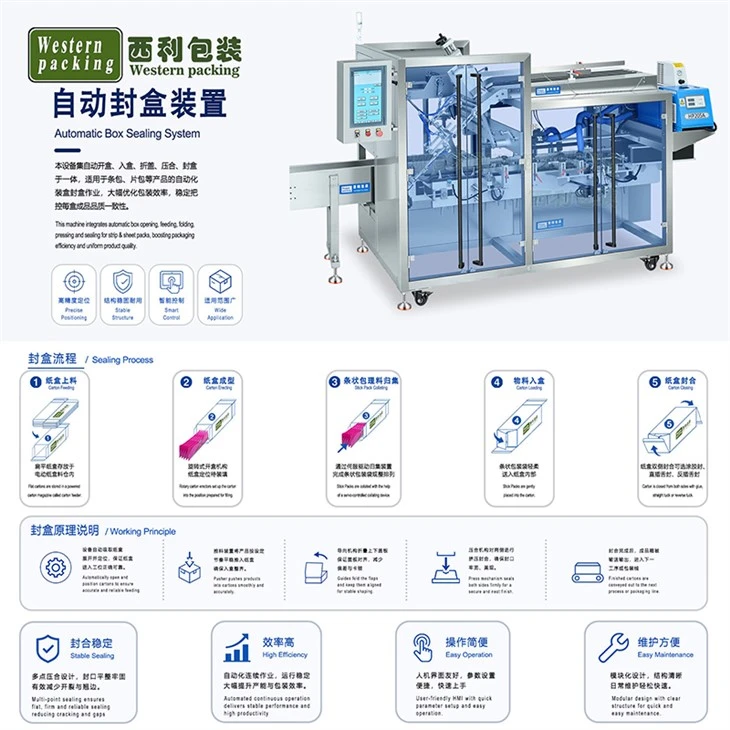
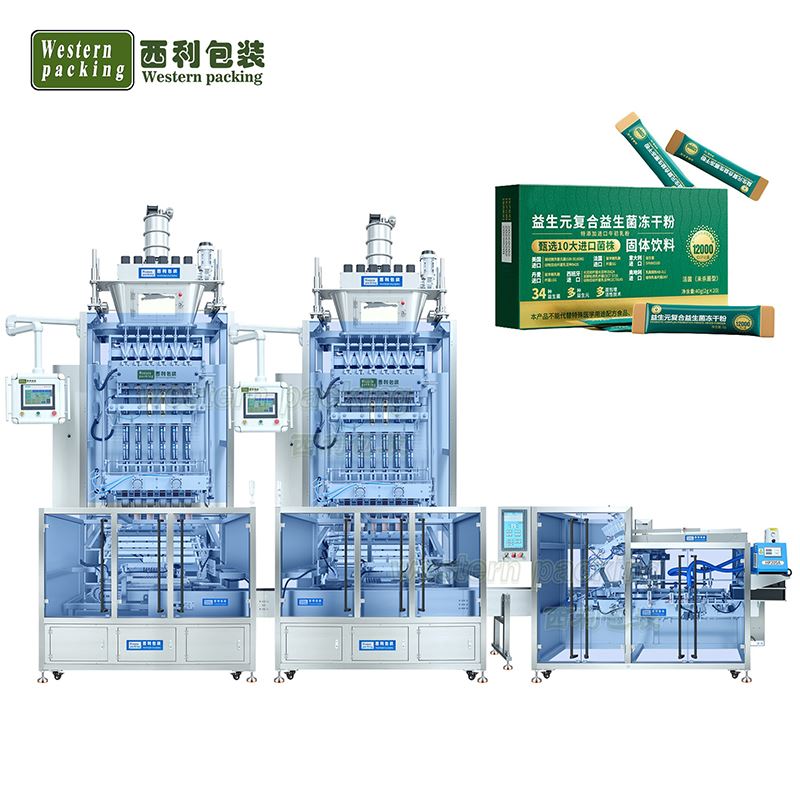
One of the most consistent praise points I hear from clients is Cartonator’s uptime. In manufacturing, a machine that breaks down unexpectedly can cost thousands in lost production hours, especially for high-volume operations. Cartonator machines are built with heavy-duty components—stainless steel frames, precision gears, and PLC controls that minimize wear even when running 12+ hours a day. I recall a mid-sized snack manufacturer that switched to a Cartonator High Speed Cartoning Machine three years ago; before that, their previous machine required repairs every 2–3 months, but since switching, they’ve only had routine maintenance. That kind of reliability turns into long-term trust, and word of mouth has been huge for Cartonator’s brand—many of our new clients come from referrals from other businesses that use their machines.
Of course, no brand is without its criticisms, and that’s where a real supplier’s perspective comes in. Early on, some small businesses found Cartonator’s initial cost to be a barrier, as their machines are priced higher than entry-level alternatives. But the tradeoff, from what I’ve seen, is clear: the total cost of ownership over 10+ years is significantly lower. Entry-level machines often require frequent part replacements, retrofits for new product types, or more hands-on maintenance, while Cartonator’s machines are modular and upgradeable. For instance, a small cosmetic brand that started with a basic Sachet Cartoner last year recently added a stick-counting module to the same machine, saving them the cost of purchasing a whole new line. That flexibility has helped Cartonator build a reputation as a long-term investment, not a short-term fix.
Customer support is another big part of Cartonator’s reputation, especially in the packaging industry where technical issues can’t wait. I’ve seen brands that sell machines and then leave clients to troubleshoot on their own, but Cartonator has a global network of service technicians trained specifically on their equipment. When a client in Europe had a sensor failure on their Stick Counting Cartoning Machine last year, their team had a technician on-site within 48 hours—no waiting for parts to ship from overseas, no extra fees for emergency service. That level of support has turned one-time buyers into repeat customers, and many of our clients will upgrade to a newer Cartonator model when they expand, rather than looking elsewhere.
It’s also important to address Cartonator’s adaptability, because the packaging industry is constantly changing. Regulations on food safety, pharmaceutical labeling, and sustainability have all shifted in the last five years, and Cartonator has worked to update its machines to meet these new standards. For example, their models now include features like tamper-evident carton sealing, variable data printing for batch tracking, and compatibility with recycled cardboard materials, which is a big priority for brands looking to reduce their environmental footprint. A number of our clients in the pharmaceutical space have mentioned that Cartonator’s compliance with GMP (Good Manufacturing Practices) has been a key factor in their choice, as it reduces the risk of regulatory audits failing due to packaging errors.
That said, there are areas where Cartonator could improve, based on feedback I’ve received. Some smaller operations have said their user manuals are overly technical, which can make it harder for new operators to learn how to run the machine without extensive training. While Cartonator does offer on-site training, it’s an extra cost for some small businesses, which has led a few to choose competing brands that include training in the base price. Additionally, while their high-speed models are industry-leading, some mid-volume operations have noted that Cartonator’s line-up has fewer options for very low-output runs, though that’s a niche market that many brands don’t prioritize.
Looking at the broader market perception, independent industry reviews reflect what we see as suppliers and direct users. Packaging Trade Digest’s 2023 Brand Reputation Survey ranked Cartonator among the top three cartoning machine brands, with 89% of respondents rating their overall satisfaction as “excellent” or “very good.” The highest marks went to reliability and ease of maintenance, while the lowest scores were for upfront cost and training accessibility. That aligns with our own experience: the most common questions we get are about long-term durability, not just price, and clients often compare Cartonator to brands that offer lower initial costs but higher downtime.
So, what does this mean for businesses considering a Cartonator Packing Machine? If you’re a mid-to-large operation with consistent volume, a focus on compliance, and a need for minimal downtime, Cartonator’s reputation as a reliable, adaptable solution makes it a strong choice. For small businesses with very tight budgets and low volume, it might not be the immediate fit, but even then, many choose to invest in a used Cartonator machine, as their residual value stays high. As a supplier, I can say that the trust Cartonator has built over decades is what makes working with these machines rewarding—clients know that when they need support, or when they want to upgrade, the brand has their back.
If you’re ready to learn how a Cartonator Packing Machine can fit your packaging line, or if you’d like to explore the specialized models including the High Speed Cartoning Machine, reach out to us to discuss your specific needs. We’ll help you evaluate which Cartonator model aligns with your production goals, and connect you with the resources to get up and running smoothly.
References
- Packaging Trade Digest. (2023). Global Cartoning Machine Brand Reputation Survey. Retrieved from industry trade database
- Cartonator International. (2022). Product Line Expansion: Modular Solutions for Flexible Packaging. Annual Technical Report
- Industrial Equipment Maintenance Association. (2023). Long-Term Uptime Comparison of Cartoning Machine Brands. Industry Performance Study
- European Packaging Federation. (2022). Compliance Standards for Pharmaceutical and Food Packaging Equipment. Regulatory Guidelines Summary
- Small Business Manufacturing Alliance. (2023). Total Cost of Ownership Analysis: Entry vs. Mid-Range Cartoning Machines. Cost Benchmark Report