

If you’re a production manager, line supervisor, or maintenance engineer working in pharmaceutical, food, cosmetic, or consumer goods packaging, you know how critical a high-speed cartoning machine is to keeping your operations on track. These workhorses pull, fold, glue, and close cartons at speeds that can reach 300–600 cartons per minute, cutting labor costs and boosting output—until a glitch hits. As a supplier who’s fielded hundreds of service calls, walked production lines, and tested every component of these machines over the past decade, I’ve seen the same problems pop up time and again. Most are fixable without a full machine replacement, and many come down to small, consistent maintenance missteps or operator training gaps. Let’s break down the most common issues, what causes them, and exactly how to solve them, no overcomplicated jargon required.
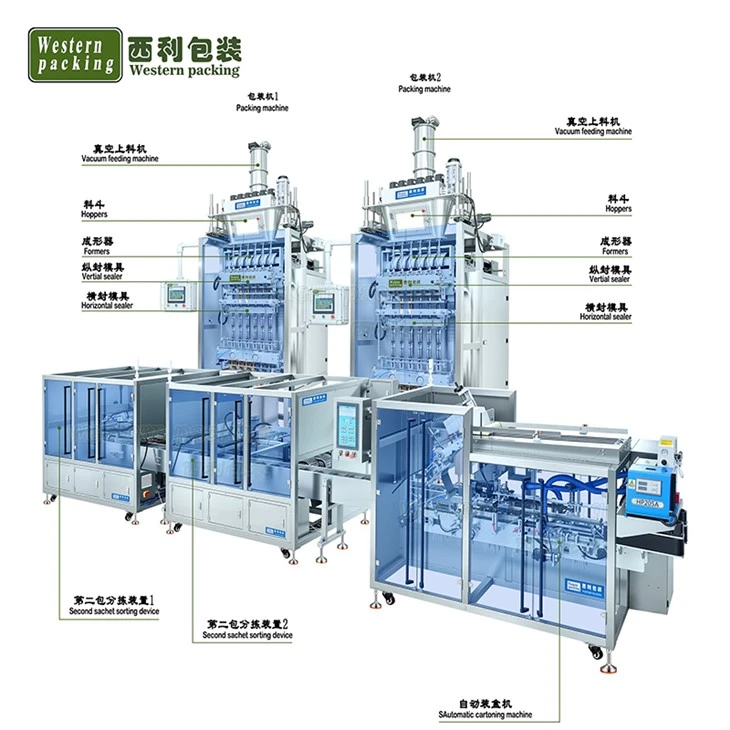
First, let’s set context: High-speed cartoning machines are tailored to specific packaging needs, from small sachets of vitamins to large cosmetic cartons. That’s why offering the right model—like our Sachet Cartoner for single-dose powders or our Cosmetic Cartoning Machine for luxury product packaging—matters as much as troubleshooting problems when they arise. But even the best machines run into snags, so let’s dive in.
The most frequent complaint I hear is carton jams—enough to make any line stop dead mid-shift. Not all jams are the same; they’re usually grouped into three types: feed jams, fold jams, and glue jams. Feed jams happen when flat, blank cartons (the unassembled cardboard pieces) don’t align properly as they’re pulled from the magazine. A common trigger here is static electricity, especially in dry factory environments or when working with thin, coated carton stock. Thin blanks stick together instead of separating one at a time, and static makes them warp slightly, so they get caught on the machine’s feed fingers. The fix isn’t just wiping down the feed area. I’ve worked with operators who installed a simple ionizing bar near the carton magazine—costing a few hundred dollars, not thousands—to neutralize static, or lightly misted cartons with a food-safe (or grade-appropriate) anti-static spray before loading, which cut feed jams by 70% for one pharmaceutical client last year. Another culprit is worn feed fingers; if their rubber pads are cracked or glazed from repeated contact with cardboard, they lose grip. Replacing these pads every 6 months (vs. waiting for them to fail) eliminates most feed-related jams.
Fold jams, by contrast, happen when the carton’s end flaps or tuck tabs don’t fold into place correctly. This is particularly common with customized cartons, like the intricate designs often used in cosmetic packaging, or when switching between carton sizes mid-run. I once had a client who switched from 10ml serum cartons to 50ml in the middle of a shift and saw a 10x spike in fold jams. The problem? They didn’t calibrate the fold arms after the size change. High-speed cartoning machines rely on adjustable servo motors to move fold arms, and if those aren’t aligned within 1mm of the carton’s dimensions, flaps either bend too sharply (and tear) or not at all (so they jam on the next station). The solution here is a simple pre-run calibration step: after changing carton sizes, pull one blank through the machine manually, check the fold arm alignment against the blank’s specs, and test 10 cartons before hitting full speed. For clients running multiple SKUs weekly, we also provide a quick-change tooling kit that cuts calibration time from 20 minutes to 2, which is a game-changer for high-mix operations.
Glue jams are the third most common, and they’re messy. Hot-melt glue, the standard for high-speed lines, thickens as it cools, and if excess glue builds up on the applicator nozzle or around the glue wheel, it can drip onto cartons or clog the feed path, causing jams, misaligned seals, or product contamination. I’ve seen glue buildup make a machine throw out 20% of production in an hour. The fix is regular, scheduled glue path cleaning—not just wiping the nozzle at the end of each shift. We recommend a 10-minute check every 2 hours during long runs: while the machine is idling, run a lint-free cloth soaked in isopropyl alcohol (use one rated for your machine’s glue system) over the glue wheel and nozzle to melt and wipe away dried glue. For clients running sticky, water-based glues (less common for high speeds but used for certain food products), we suggest adding a heated glue hose to prevent thickening, which cuts glue-related issues by almost 90%.
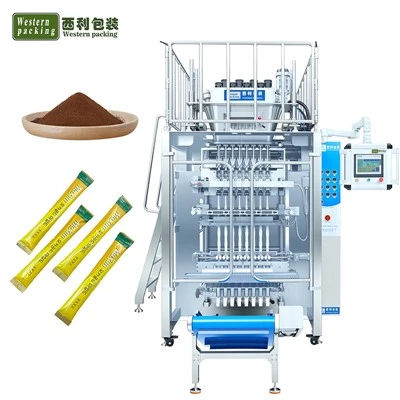
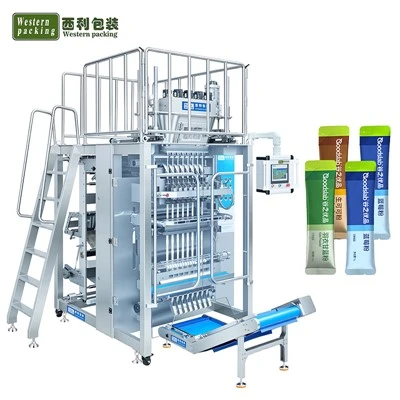
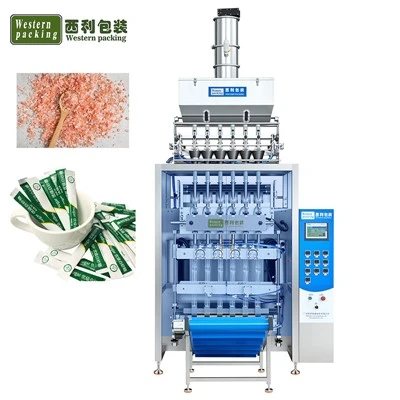
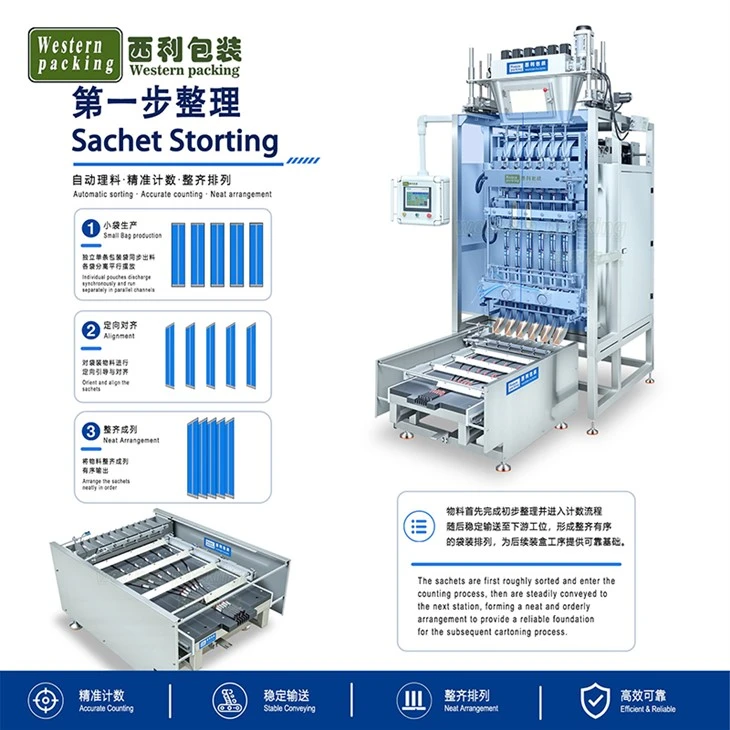
Next on the list: misaligned products inside cartons, which leads to a lot of rejected units. This isn’t just a quality issue—it wastes materials and slows down packaging downstream (like label applicators or case packers). The cause here usually ties back to product infeed, not the carton handling itself. For example, when running small products like stick sachets of coffee or vitamin powder, if the product conveyor is misaligned, sachets stack up or tilt as they move toward the carton’s opening. I had a client with our Stick Sachet Cartoning Machine who was throwing out 15% of their sachet cartons because sachets were askew. The problem? They’d adjusted the conveyor height a month prior to accommodate a larger product, and when they switched back to standard stick sachets, they forgot to reset it. The fix is simple: calibrate the product conveyor to match the carton’s internal dimensions. For most high-speed machines, this is done by adjusting side guides so there’s just 1–2mm of space on each side of the product—enough to let it slide freely but not enough to tilt. Another less obvious cause: worn product pusher pins. The pins that nudge products into cartons get bent or dull over time, so they don’t apply consistent pressure. Replacing them every 12 months, or adjusting their extension length after size changes, eliminates most misalignment issues.
Another common problem is inconsistent carton sealing. A carton that’s partially glued or has a weak seal can open during shipping, leading to product loss or returns. I’ve seen this happen when a machine’s glue temperature drifts—hot-melt glue needs to be at a specific temperature (usually 120–180°C, depending on the type) to bond correctly. If the glue pot’s thermostat is faulty or the sensor is dirty, the glue can be too cool (so it doesn’t adhere) or too hot (so it dries before the flap is pressed together). The solution here is monthly calibration of the glue temperature sensor. Most machines have a built-in digital readout, but I always recommend spot-checking with a portable temperature gun once a month to ensure accuracy. For clients running different types of carton stock (like coated cardboard vs. uncoated), we also provide adjustable glue volume settings—coated stock needs less glue, uncoated needs a bit more—to ensure a strong seal every time.
Wait, some issues aren’t machine-related at all. I once had a client with a brand-new pouch cartoning machine that was losing 5% of output per hour, and after an hour on-site, I realized they were loading carton blanks that had warped from sitting in a humid warehouse. Cardboard absorbs moisture, especially in high-humidity environments, which makes blanks twist, bend, or not stack correctly in the magazine. The fix here is storage: keep carton blanks in a climate-controlled area (50–70°F, 30–50% humidity) and use them within 3 months of delivery. If you have to use warped blanks, you can gently flatten them under weight overnight, but it’s better to adjust the machine’s feed pressure slightly to account for the warping. For companies working with custom packaging, we also recommend ordering blanks with a slightly higher caliper (thickness) if your facility has variable humidity—thicker cardboard is more resistant to warping.
Now, let’s talk about prevention, because the best solution to a problem is avoiding it entirely. High-speed cartoning machines are built to run with minimal downtime, but only if operators follow a consistent maintenance schedule. From my experience, most unplanned downtime is preventable with two key steps: daily pre-run checks and a weekly deep clean. Daily checks should include verifying all safety interlocks, checking glue levels, inspecting feed fingers and product pushers for wear, and testing 10 cartons at low speed before starting a shift. Weekly deep cleans should disassemble and clean the glue path, carton magazine, and product conveyor, lubricate moving parts (use only the lubricant recommended by the machine’s manufacturer—generic oil can damage gears), and tighten any loose bolts. For clients with multiple lines, we offer digital maintenance checklists that can be tracked via a mobile app, so supervisors can audit compliance and flag issues before they cause downtime.
I also can’t overstate the value of operator training. I’ve seen machine operators who’ve worked on the line for 5 years still not know how to adjust the servo motors that control fold arms or reset the machine after a minor jam. When operators understand how the machine works, they can spot small issues (like a slightly warped blank or a glue nozzle starting to clog) before they turn into big problems. That’s why we offer on-site training for new customers, as well as quarterly refreshers, and a 24/7 support hotline for any urgent questions. For example, when a client has a jam, we walk them through a step-by-step process to clear it without damaging the machine, which cuts downtime from an hour to 10 minutes in most cases.
Of course, choosing the right machine for your packaging needs goes a long way in avoiding problems down the line. If you’re packaging small sachets, our Pouch Cartoning Machine is designed with narrow, adjustable guides that prevent sachet misalignment, while our Sachet Cartoner has a specialized static elimination system built into the feed path, so you won’t have to add extra ionizing bars. For cosmetic brands, our Cosmetic Cartoning Machine is calibrated for the precision of luxury packaging, with customizable fold settings that work with intricate flap designs, so you won’t have to adjust the machine every time you switch SKUs.
At the end of the day, high-speed cartoning machines are tools, and like any tool, they work best when you understand their quirks, follow basic maintenance, and use the right model for your job. Most common problems aren’t signs that your machine is broken or that you need a replacement—they’re signs that small, consistent steps (calibration, cleaning, training) are being missed. If you’re experiencing recurring issues with your cartoning line, or if you’re looking to upgrade to a machine that’s built to reduce downtime for your specific products, we’re here to help. Reach out to our team to discuss your needs, and we’ll connect you with a specialist who can recommend the right machine, troubleshoot existing problems, or set up a maintenance plan tailored to your operation.
References
- Packaging Machinery Association (PMA). (2022). Common Downtime Causes in High-Speed Cartoning Operations. Retrieved from PMA Industry Resources
- Smith, J. (2021). Preventive Maintenance for Automated Packaging Equipment. Journal of Industrial Packaging and Logistics, 15(3), 45–52
- International Organization for Standardization (ISO). (2019). ISO 14531:2019 – Packaging machinery – Safety requirements for cartoning machines
- Miller, L. (2023). Static Electricity Mitigation in Flexible Packaging Lines. Packaging Technology and Science, 36(2), 89–97