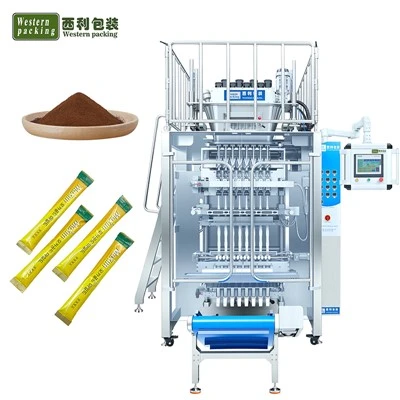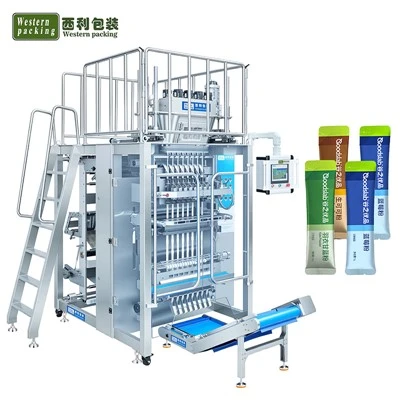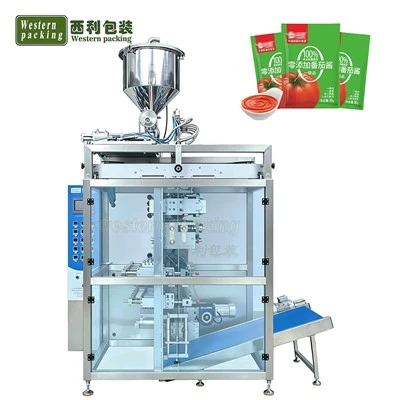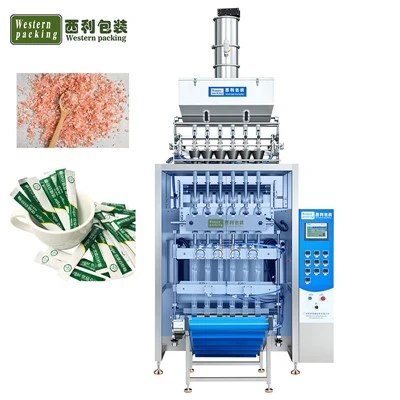


As industries such as food, beverages, household chemicals, pharmaceuticals, and other manufacturing sectors increasingly adopt automated production, filling machines are becoming an important part of modern liquid packaging operations. Today's filling equipment goes beyond basic liquid dispensing and can integrate conveying, container positioning, dosing, filling, process control, and monitoring into a single automated system. Different machine configurations can be selected according to product characteristics and package specifications, helping manufacturers improve productivity and maintain consistent filling performance.
Automatic product feeding is one of the key functions of a filling machine. Storage tanks, piping systems, and pumps can work together to deliver liquid products steadily to the filling area. The feeding method can be selected according to factors such as viscosity and flow characteristics, helping maintain a stable product supply for the dosing and filling stages.
Accurate filling is the central function of the equipment. Filling machines can control the amount of product delivered into each container according to preset parameters. Depending on the application, different dosing methods may be used, including piston-based filling, flow-based measurement, and timed filling. Operators can adjust the relevant settings for different container capacities, allowing the same equipment to handle a range of package specifications.
Automatic container positioning helps ensure that each package is filled at the correct location. When bottles, cans, or other containers enter the filling area, sensors detect their presence and the conveying system moves them into position. The filling heads then perform the filling operation at the appropriate location. Once filling is complete, the containers continue to the next packaging stage, creating a continuous production flow.

Some filling machines also offer functions such as anti-drip control, level management, and fault alarms. For liquids that are prone to dripping or foaming, filling speed and dispensing methods can be adjusted to improve process stability. If the machine detects conditions such as insufficient product supply, a missing container, or an operational fault, the control system can issue an alert or temporarily stop the relevant operation.
Modern filling equipment commonly uses PLC controllers, human-machine interfaces, and sensors to coordinate filling speed, dosing parameters, and conveyor timing. Operators can adjust production settings through the control interface and save configurations for different products, making the machine more flexible for multiple applications.
Guangzhou Western Packing Co., Limited specializes in packaging machinery and related packaging materials, providing automated packaging equipment for different products, including granules and liquids. These solutions provide equipment support for automated filling and packaging applications across various industries.
Overall, filling machines can provide functions including automatic product feeding, accurate dosing, container positioning, process control, and fault detection. As liquid packaging requirements continue to evolve, filling equipment is expected to move toward greater automation, higher efficiency, and more flexible configuration, providing reliable support for modern packaging production.