
As industries such as food, beverages, household chemicals, pharmaceuticals, and chemical manufacturing continue to adopt automated production methods, filling machines are becoming increasingly important in liquid packaging operations. A filling machine transfers liquid products into bottles, pouches, cans, and other containers according to a preset volume or weight. Compared with manual filling, automated equipment can improve production efficiency while helping maintain consistent fill quantities.
The filling process generally begins with product feeding. Liquid products are transferred from a storage tank or supply system to the filling area through piping and pumping components. The appropriate feeding method depends on the viscosity, flow characteristics, and other properties of the liquid. A suitable supply system helps maintain a stable flow into the filling mechanism.
Accurate dosing is one of the key principles behind filling machine operation. The target fill volume is set according to the required package specification, and the machine controls the quantity using methods such as flow measurement, timed filling, piston-based dosing, or other metering technologies. Once a container reaches the designated filling position, the control system activates the filling cycle and delivers the specified amount of product. When the target quantity is reached, product flow is stopped, completing one filling cycle.
Modern filling machines are typically equipped with automated conveying systems that continuously move empty containers into the filling area. Sensors detect container position and presence and send signals to the control system. Once a container reaches the correct position, the filling head moves into place and begins dispensing the product. After filling is completed, the container moves to the next stage, allowing the entire process to operate continuously.

Different liquid products require different machine configurations and filling methods. Low-viscosity liquids generally flow easily, while high-viscosity products may require specialized pumping and dosing systems. Products containing particles or liquids that tend to foam may also require adjustments to filling speed, filling position, or dispensing methods to achieve more stable results.
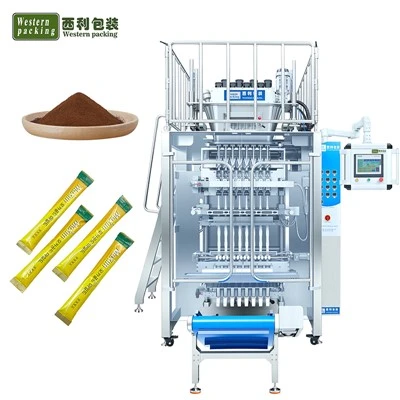
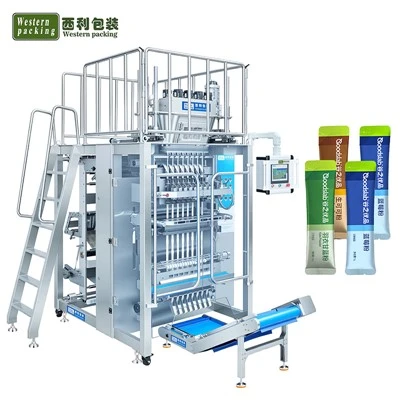
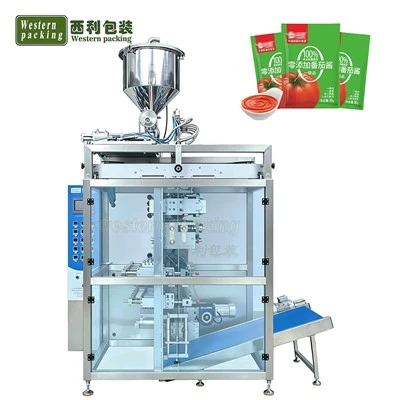
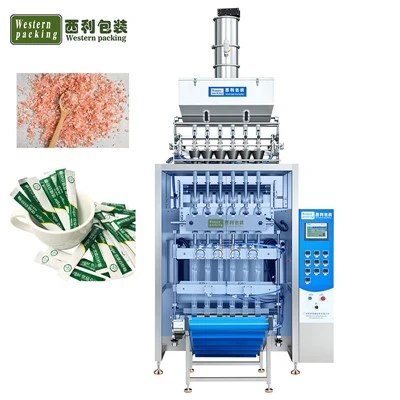
Guangzhou Western Packing Co., Limited specializes in packaging machinery and related packaging materials, providing automated packaging equipment for products such as granules and liquids. These solutions provide equipment support for manufacturers seeking to improve the efficiency and continuity of their packaging operations.
Overall, filling machines operate through the coordinated processes of product feeding, container positioning, dosing, filling, and conveying. By controlling these stages according to predefined parameters, the equipment can automatically portion liquid products into individual containers. As manufacturers continue to demand greater efficiency, accuracy, and production consistency, filling machines are expected to remain an important part of modern automated packaging systems.