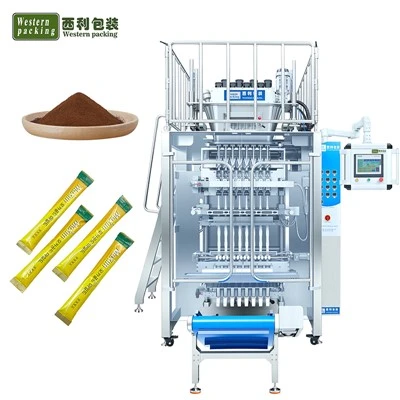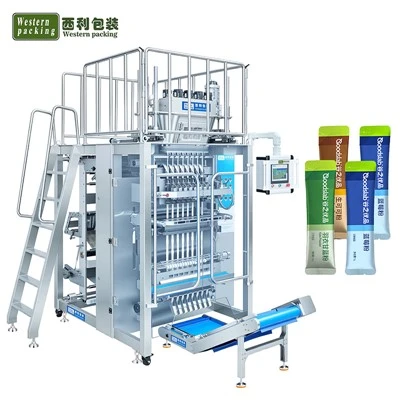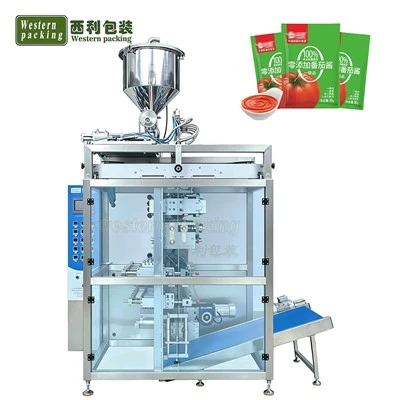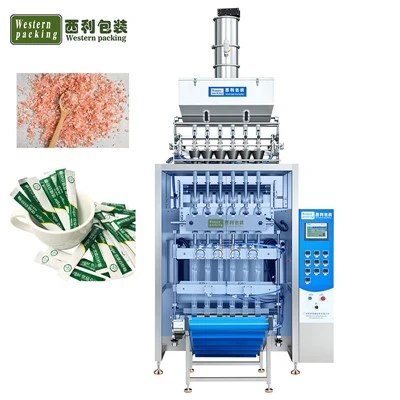


As industries such as food, beverages, household chemicals, and other manufacturing sectors increasingly adopt automated production, filling machines are becoming more widely used for liquid packaging. Compared with traditional manual filling, modern equipment integrates product feeding, container positioning, dosing, and filling into a coordinated process. This can improve production efficiency while helping manufacturers maintain more consistent package quantities. As filling technology continues to advance, the advantages of automated equipment are becoming increasingly evident in continuous production and flexible packaging applications.
Higher productivity is one of the most significant advantages of filling machines. Automated conveying and continuous filling allow containers to move through the packaging area at a controlled pace. This reduces repetitive manual handling and portioning, making filling machines particularly suitable for applications with steady or high production volumes. With properly configured operating parameters, the filling process can run more continuously and contribute to overall production efficiency.
Consistent dosing is another major advantage. Filling machines can be programmed with a target fill quantity based on the package specification and use different metering methods to portion liquid products. Compared with manual operation, automated control can reduce the influence of human error and help maintain more consistent quantities from one package to another. This is particularly valuable for products that require controlled and standardized package volumes.
Filling machines also offer good adaptability to different liquid products. Liquids can vary considerably in viscosity and flow behavior, so the equipment can be configured with suitable feeding, dosing, and filling systems according to the characteristics of the material. Different configurations can be used for low-viscosity liquids, high-viscosity products, and materials with more specialized flow properties, allowing manufacturers to select equipment suited to their specific production requirements.

Automated control is another important advantage of modern filling machines. A control system consisting of PLC controllers, human-machine interfaces, sensors, and actuators can manage filling speed, dosing parameters, and conveyor timing. Some equipment can also perform functions such as container detection and fault alarms, helping operators identify abnormal conditions during production.
Filling machines can also provide convenient operation and maintenance. Modular construction makes it easier to inspect the equipment, clean relevant components, and replace wear parts. A well-organized machine layout can further simplify routine maintenance and reduce the operational burden associated with long-term equipment use.
Guangzhou Western Packing Co., Limited specializes in packaging machinery and related packaging materials, providing automated packaging equipment for different products, including granules and liquids. These solutions offer equipment support for manufacturers involved in automated filling and packaging operations.
Overall, filling machines offer advantages including high productivity, consistent dosing, broad application flexibility, a high level of automation, and relatively convenient operation and maintenance. As demand for liquid product packaging continues to evolve, filling equipment is expected to play an increasingly important role in improving production efficiency and advancing automated packaging processes.