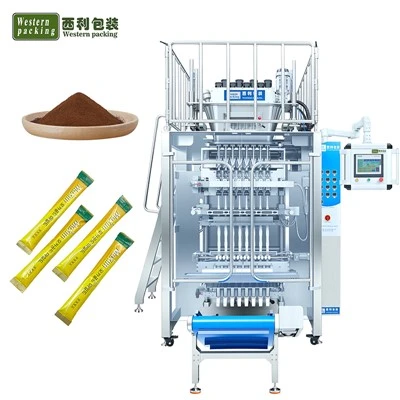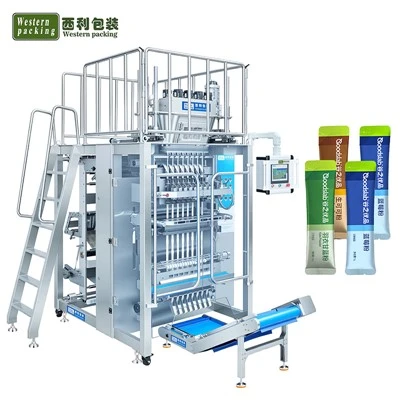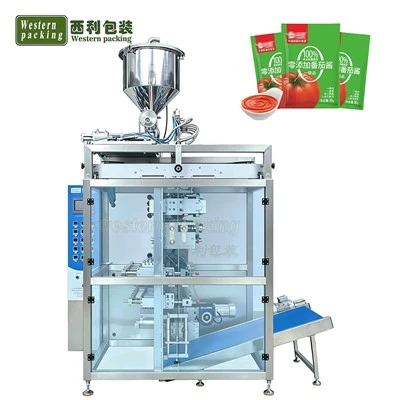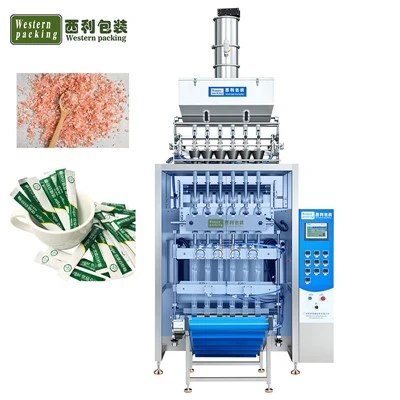


As industries such as food, beverages, household chemicals, and other manufacturing sectors continue to increase their use of automated production, the operating performance of filling machines has become an important consideration for manufacturers. As key equipment for automated liquid dispensing, filling machines need to maintain stable product feeding, accurate dosing, and reliable filling performance during production. Proper performance testing before commissioning and throughout the machine's service life can help identify potential issues and verify that the equipment is operating as expected.
Filling accuracy is one of the most important aspects of performance testing. Test personnel typically fill a series of containers using the machine's preset parameters and then measure the actual quantity by weight or volume. The measured results are compared with the target fill quantity to evaluate dosing accuracy and consistency. Testing multiple consecutive packages also helps determine whether filling performance remains stable during continuous operation.
Filling speed is another important performance indicator. During testing, the machine can be operated continuously under specified production settings while the number of completed fills within a given period is recorded. Operators can also observe whether the machine maintains stable operation at different speeds. This type of testing helps determine whether the equipment can meet the production rhythm required in actual applications.
The product supply system should also be evaluated. Before liquid reaches the filling mechanism, it typically passes through storage, piping, and pumping components. Test personnel should check whether product flow remains continuous and whether there are signs of significant fluctuation, leakage, or abnormal noise. For products with different viscosity levels, the performance of the feeding system should also be evaluated according to the actual material characteristics.

The condition of the product during filling should also be monitored. Dripping, splashing, or excessive foaming can affect subsequent packaging processes and finished-package appearance. Performance testing should therefore consider not only the fill quantity but also the stability and quality of the filling process itself.
The control system and safety functions are also important parts of performance evaluation. PLC controllers, sensors, human-machine interfaces, and related actuators should operate properly. Functions such as machine start and stop, alarms, and responses to abnormal conditions should perform as intended. Protective structures and emergency-stop devices should also be checked to ensure that they function correctly.
Guangzhou Western Packing Co., Limited specializes in packaging machinery and related packaging materials, providing automated packaging equipment for products such as granules and liquids. These solutions provide equipment support for manufacturers involved in automated filling and packaging operations.
Overall, filling machine performance testing should provide a comprehensive evaluation of filling accuracy, production speed, product feeding stability, filling behavior, control functions, and safety performance. Through proper testing and regular inspections, manufacturers can gain a clearer understanding of equipment condition and provide a more reliable foundation for stable production and efficient packaging.