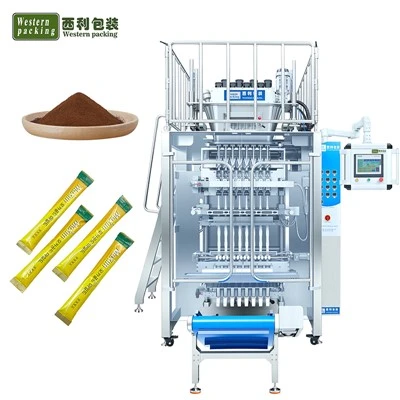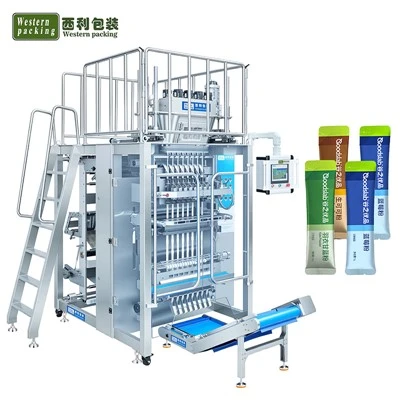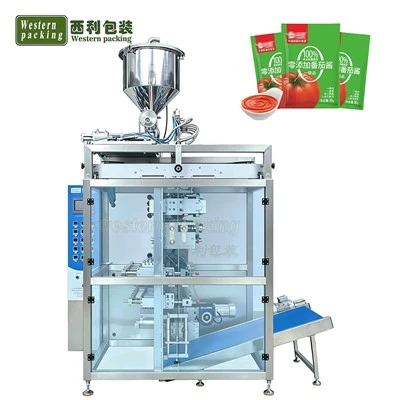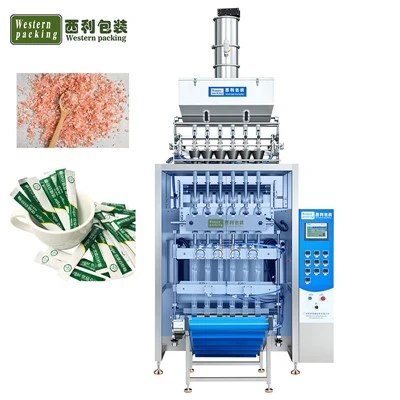


As automation continues to advance across industries such as food, beverages, household chemicals, and pharmaceuticals, filling machines are playing an increasingly important role in liquid packaging. As a key link between product processing and final packaging, a filling machine is primarily designed to dispense liquid products accurately into bottles, cans, pouches, and other containers according to preset volume or weight requirements. Automated conveying, positioning, and control systems help make the filling process more continuous and consistent.
Accurate portioning of liquid products is the core function of a filling machine. The equipment is programmed with a target fill quantity based on the package specification and uses dosing methods such as piston filling, flow-based measurement, or timed filling. Compared with manual filling, automated dosing can reduce variations caused by operator handling and help maintain more consistent quantities across finished packages.
Improving packaging productivity is another important purpose. Empty containers can be automatically conveyed into the filling area, positioned correctly, and filled before being transferred to the next stage. By coordinating these operations through a programmed sequence, the machine reduces repetitive manual handling and supports continuous production, making it suitable for manufacturers with regular or high-volume packaging requirements.
Handling different types of liquid products is another important role of modern filling equipment. Liquids vary in viscosity, flow behavior, and solids content, so filling machines can be configured with different feeding, dosing, and filling systems according to the product. Suitable configurations can be selected for low-viscosity liquids, high-viscosity products, and certain materials containing particles, helping improve compatibility between the equipment and the product.

Automated process control is also an important function. Control systems based on PLC controllers, human-machine interfaces, sensors, and actuators can manage parameters such as fill quantity, operating speed, and conveyor timing. Some machines can also detect container conditions and provide an alert or temporarily stop operation if problems such as missing containers or abnormal machine conditions occur.
Filling machines can also be integrated with downstream equipment such as capping, labeling, and secondary packaging systems to create a more complete automated packaging line. For manufacturers with larger production requirements, coordination between different pieces of equipment can further streamline the overall packaging process.
Guangzhou Western Packing Co., Limited specializes in packaging machinery and related packaging materials, providing automated packaging equipment for different products, including granules and liquids. These solutions provide equipment support for manufacturers involved in automated portioning and packaging operations.
Overall, filling machines are primarily used for accurate dosing, continuous conveying, automatic positioning, and process control. As demand for liquid product packaging continues to grow, filling equipment is expected to play an increasingly important role in improving production efficiency, maintaining consistent package specifications, and advancing packaging automation.