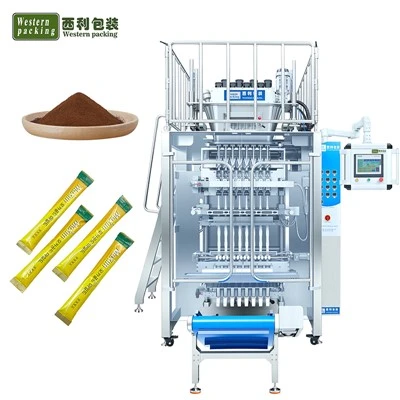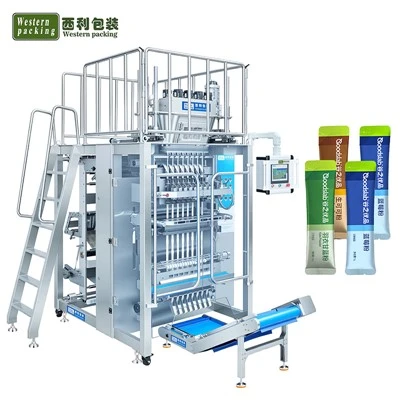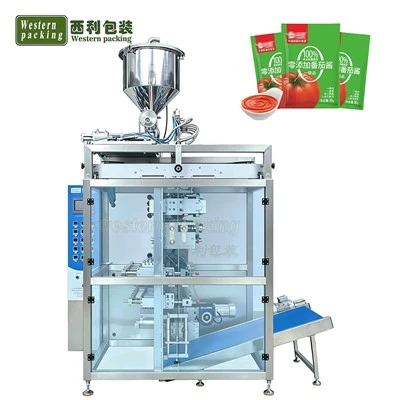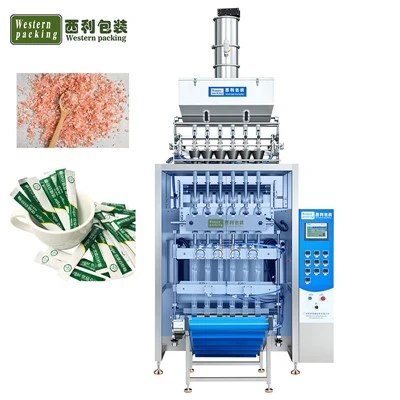


As demand for automated production continues to grow across industries such as food, beverages, household chemicals, and other manufacturing sectors, filling machines are becoming increasingly important in liquid packaging operations. As automated systems that integrate conveying, dosing, filling, and process control, filling machines rely heavily on sound structural design to achieve reliable performance, accurate filling, and efficient production. A well-organized machine layout allows the different operating systems to work together smoothly and supports continuous packaging operations.
Modern filling machines generally feature a modular structure consisting of a machine frame, product supply system, conveying system, dosing mechanism, filling assembly, and control system. The frame serves as the foundation of the equipment and must provide sufficient stability and support for the other components. Depending on the product and production requirements, the overall machine configuration can be adapted to different applications.
The product supply system transfers liquid material to the filling area. Depending on factors such as viscosity and flow characteristics, the machine can be equipped with suitable storage tanks, piping, and pumping components. A properly designed supply system helps maintain a steady flow of product and provides a consistent supply for the dosing and filling stages.
The dosing mechanism is one of the core components of a filling machine. Depending on the product and application, the equipment may use piston-based dosing, flow-controlled measurement, or other metering methods to regulate the amount of product delivered during each filling cycle. The dosing mechanism works together with the control system to maintain the preset fill quantity.

The filling assembly generally consists of filling nozzles, lifting or positioning mechanisms, and related control components. Once a container reaches the designated filling position, the nozzles perform the filling operation according to the programmed sequence and then return to their standby position. The number, configuration, and movement of the filling nozzles can be adjusted according to the container format and liquid characteristics.
The conveying system is responsible for moving containers into and out of the filling area. Conveyor belts, positioning devices, and sensors work together to bring empty containers into position at a controlled pace and transfer filled containers to the next stage. Automated positioning helps minimize container misalignment and improves coordination throughout continuous production.
The control system is another essential part of a modern filling machine. PLC controllers, human-machine interfaces, sensors, and actuators can be used to manage parameters such as fill quantity, operating speed, and conveyor timing. Some machines also provide functions such as container detection and fault alarms, allowing operators to monitor equipment status more effectively.
Guangzhou Western Packing Co., Limited specializes in packaging machinery and related packaging materials, providing automated packaging equipment for different products, including granules and liquids. These solutions offer equipment support for manufacturers seeking continuous and automated packaging operations.
Overall, filling machines are characterized by modular construction, organized functional layouts, stable product feeding, flexible dosing systems, and a relatively high level of automation. As liquid packaging requirements continue to evolve, filling machine structures are expected to become increasingly efficient, reliable, user-friendly, and easier to maintain.