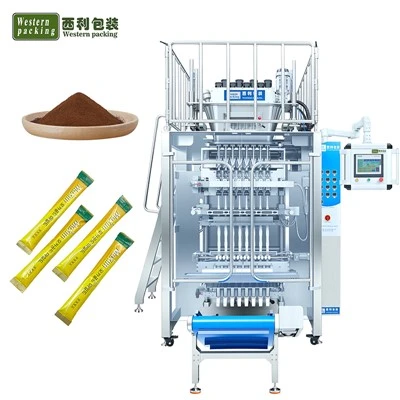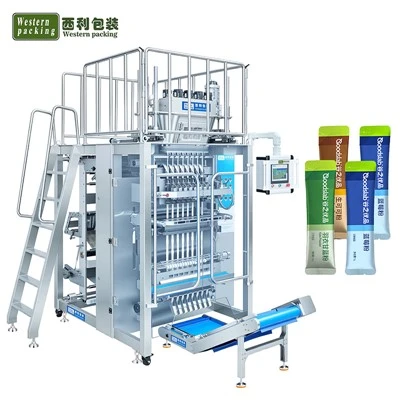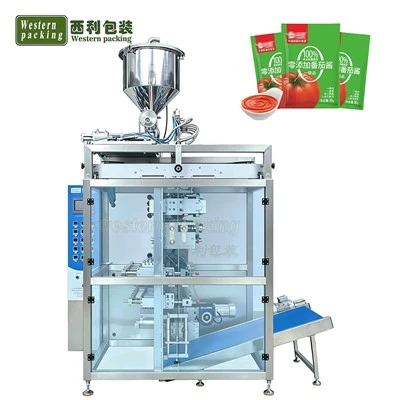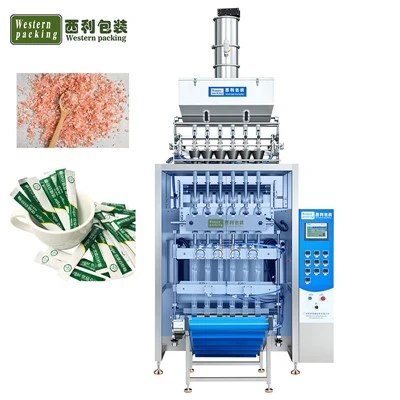


As demand for automated packaging continues to grow in industries such as food, beverages, household chemicals, and other manufacturing sectors, the quality of filling machine manufacturing has a direct impact on dosing accuracy, operating stability, and equipment service life. A complete filling machine typically goes through several stages, including system design, component fabrication, mechanical assembly, electrical installation, software commissioning, and final machine testing. A well-organized manufacturing process provides a solid foundation for reliable operation in production.
Manufacturing begins with application analysis and machine design. The equipment configuration is determined according to factors such as liquid viscosity, flow characteristics, container specifications, and required production capacity. The main systems, including the machine frame, product supply system, dosing mechanism, filling assembly, and conveying system, are then designed accordingly. Because different liquids have different physical properties, the feeding and dosing methods need to be selected based on the intended application.
The next stage is component fabrication. The machine frame, hopper, mounting plates, conveying components, and other mechanical parts are manufactured according to the approved design. Components related to dosing and filling require appropriate dimensional accuracy and proper fitting tolerances to ensure that the different mechanisms can operate smoothly after assembly.
Mechanical assembly is a critical stage in the manufacturing process. Technicians install the feeding, dosing, conveying, filling, and transmission systems onto the machine frame and carefully adjust the position of each component. During assembly, fasteners, moving parts, and drive mechanisms are inspected to ensure that the various systems operate in coordination.

Once the mechanical assembly is completed, the electrical system is installed. Depending on the machine's control architecture, PLC controllers, sensors, drive units, human-machine interfaces, and electrical wiring are installed and connected to the relevant operating components. The control program is then configured so that conveying, positioning, and filling operations can follow the intended sequence.
The completed machine enters the commissioning and testing stage. Initial no-load operation is used to check the conveying, transmission, and control systems. The machine is then tested with the intended product to evaluate filling quantity, operating speed, feeding stability, and potential issues such as dripping or splashing. Relevant parameters are adjusted based on the test results until the machine reaches the expected operating condition.
Guangzhou Western Packing Co., Limited specializes in packaging machinery and related packaging materials, providing automated packaging equipment for different products, including granules and liquids. These solutions provide practical equipment support for manufacturers involved in automated filling and packaging operations.
Overall, the manufacturing process of a filling machine involves design, component fabrication, mechanical assembly, electrical installation, commissioning, and final testing. By following a controlled manufacturing process and conducting thorough machine testing, manufacturers can improve equipment reliability and provide a dependable foundation for automated liquid filling applications.