

As industries such as food, pharmaceuticals, household chemicals, and other manufacturing sectors continue to adopt automated packaging solutions, cartoning machines are becoming increasingly important in secondary packaging operations. A cartoning machine automatically places products into cartons and can perform carton feeding, opening, product insertion, and carton closing within a coordinated process. Compared with manual cartoning, automated equipment can improve packaging efficiency, reduce repetitive labor, and support a more continuous production workflow.
The process typically begins with carton feeding. Pre-folded cartons are loaded into the machine's carton magazine, where a feeding mechanism removes individual cartons using suction cups, pushing devices, or other methods. The carton is then transferred toward the opening section. During this stage, the machine must maintain accurate carton positioning to help prevent problems such as multiple cartons being fed simultaneously or cartons becoming jammed.
Once a carton reaches the opening mechanism, mechanical components unfold it from its flat condition into its intended three-dimensional shape. The machine may also use positioning and alignment mechanisms to ensure that the carton remains properly formed and correctly positioned for product insertion.
At the same time, products are conveyed toward the cartoning area. Depending on the product shape and packaging requirements, the machine may use pushing, gripping, suction, or other handling methods to place products into the carton. Different feeding and insertion mechanisms can be configured for bottled products, packaged goods, tubes, and other small or regularly shaped items.

After the product has been inserted, the machine proceeds to close the carton. Depending on the carton design, closing may involve folding flaps, locking tabs, pressing, or other closure methods. Since different carton structures require different closing mechanisms, the equipment must be configured according to the carton dimensions and design.
Modern cartoning machines generally incorporate sensors, PLC controllers, and human-machine interfaces to coordinate carton feeding, product conveying, insertion, and closing operations. If the machine detects conditions such as a missing carton, missing product, or another abnormal situation, the control system can issue an alert or temporarily stop the relevant operation, helping reduce packaging errors.
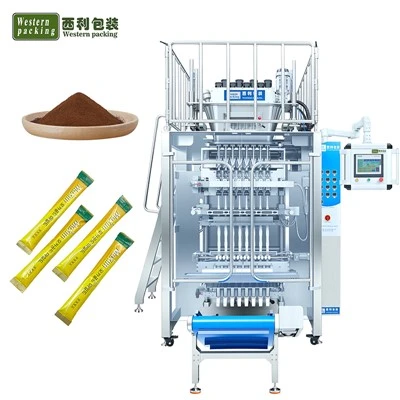
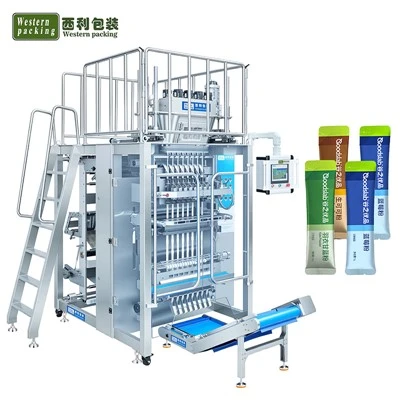
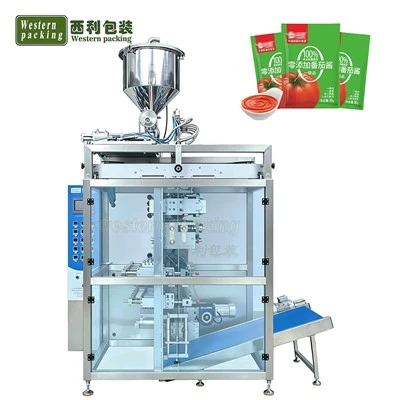
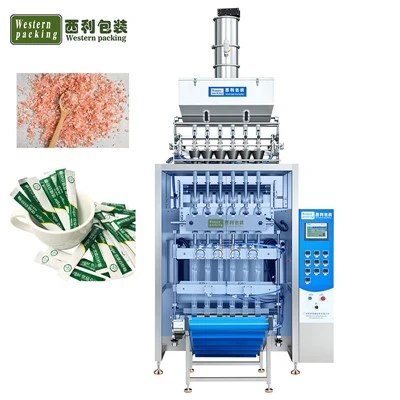
Guangzhou Western Packing Co., Limited specializes in packaging machinery and related packaging materials, providing automated packaging equipment for different products. These solutions offer equipment support for manufacturers seeking continuous and automated packaging operations.
Overall, cartoning machines coordinate carton feeding, opening, product conveying, insertion, carton closing, and inspection to automatically place products into cartons. As manufacturers continue to seek higher productivity and greater packaging consistency, automated cartoning equipment is expected to play an increasingly important role in modern packaging operations.