

If you’ve ever stood on a production floor watching a powder packaging machine seal bags that come out looser than a well-worn pair of work gloves, you know how frustrating—and costly—that problem can be. As a powder packaging machine supplier, I’ve spent thousands of hours walking customers through this exact issue, from a small-batch spice maker in Des Moines whose sachets were leaking into a large beverage powder plant in Guangzhou struggling with uneven seals across 12 lanes. The good news? A loose seal isn’t a death sentence for your line. Most of the time, it’s a fixable problem with a root cause you can identify in 15 minutes flat. Let’s break down the troubleshooting steps that have saved my clients hundreds of thousands in wasted product and downtime over the years.
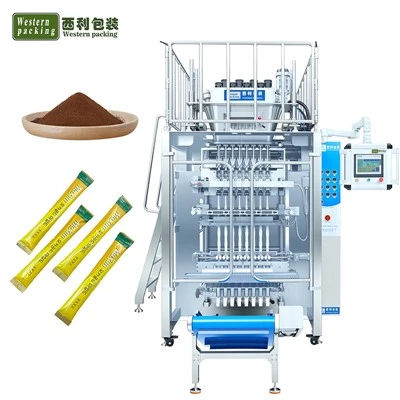
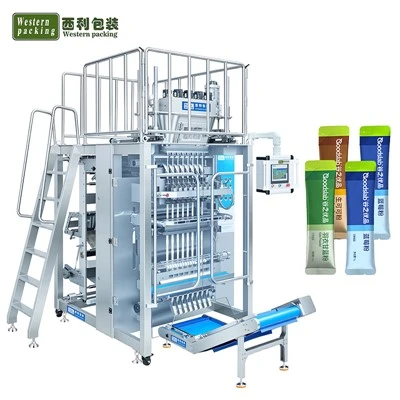
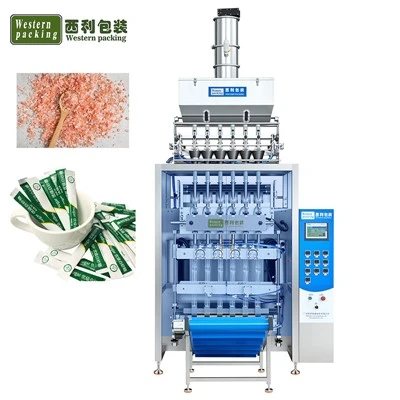
First, let’s ground this in your specific machine type, because the steps change depending on what you’re running. Are you packaging food powders like protein or cocoa? A specialized Food Powder Packaging Machine might have different components than a Spice Powder Packing Machine, which deals with more static-prone powders that can throw off seal tension. If you’re high-volume, a Multi Lane Powder Packing Machine has multiple seal jaws that each need individual checking, unlike a smaller stand-alone unit. And for milk powder sachets, which often need airtight seals to extend shelf life, even a tiny 1 mm gap can let moisture in and ruin a whole batch. I’ll reference these specific machine lines throughout, since generic troubleshooting rarely works for powder-specific equipment.
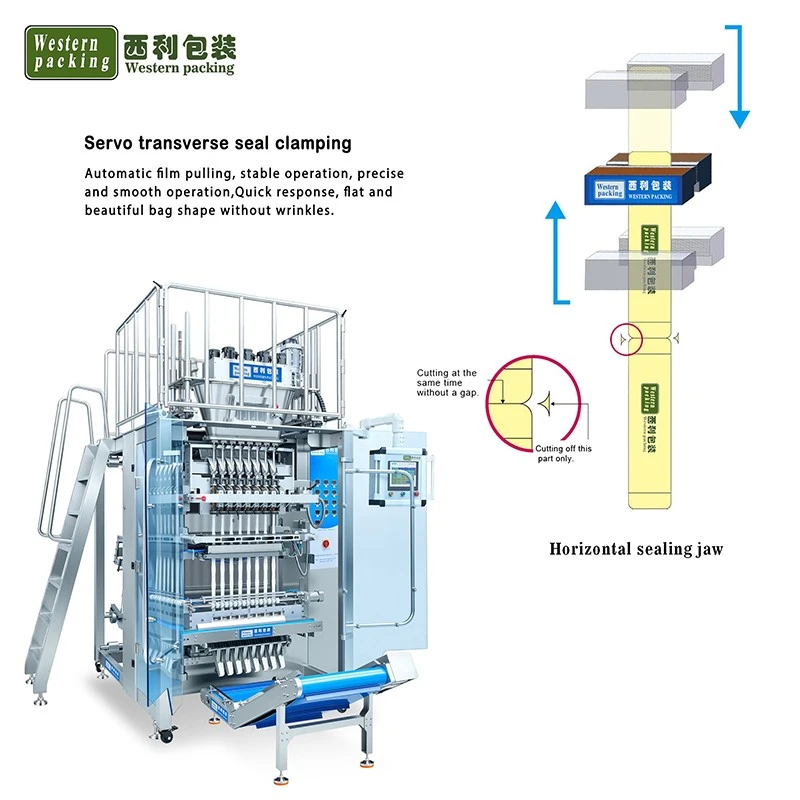
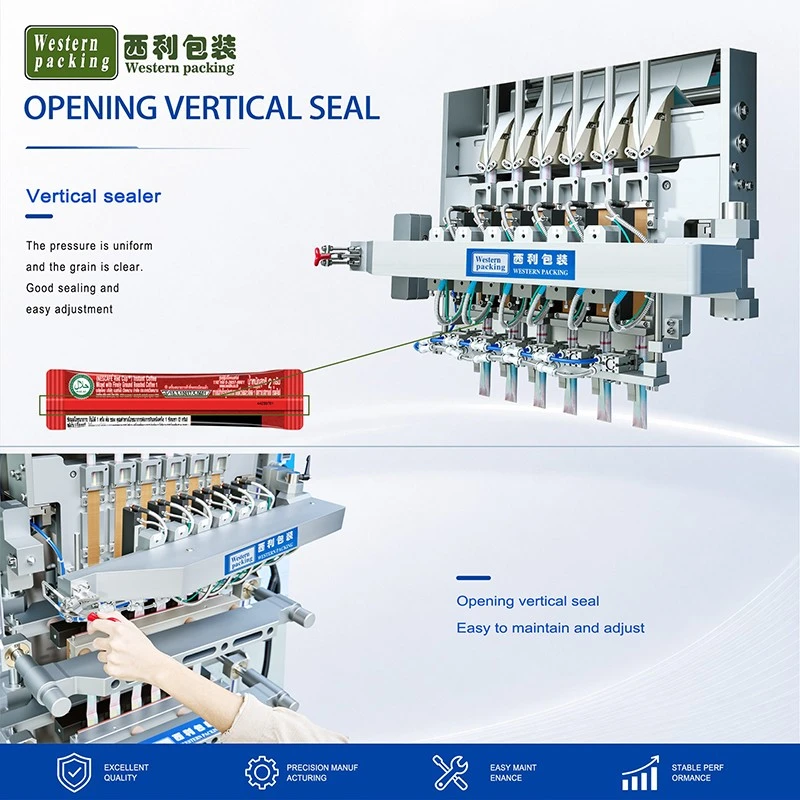
Let’s start with the most obvious culprit that’s easy to miss: seal jaw pressure. This is the number one reason I see loose seals, especially with machines that run around the clock. Over time, the pneumatic cylinders that drive the seal jaws wear out, or the adjustment screws on the jaw mounts get loosened by vibration from the machine’s motors. For a Multi-Lane Milk Powder Sachet Packaging Machine, each lane’s two seal jaws (top and bottom) need equal pressure—one uneven jaw will leave a gap. How to test this? First, turn off the machine and unplug it for safety. Gently press each seal jaw closed by hand; if one feels springier than the other, that’s your problem. For pneumatic systems, check the air pressure gauge on the control panel. Most powder packaging machines require a consistent 60 to 80 PSI for seal jaws, but double-check your manual (or, if you don’t have one, test by increasing pressure in 5 PSI increments while running a test bag). For spice powders, which are often coarser, you may need 10 to 15 PSI more than you would for fine milk powder—too much pressure can burst the bag, too little leaves a loose seal. If adjusting pressure doesn’t work, the seal jaws themselves might be warped. Over years of heating and cooling, the metal jaws can bend slightly, creating a gap along one edge. I’ve seen this happen so many times that I tell customers to inspect their jaws monthly: run a piece of thin packaging film between the closed jaws. If the film comes out with a consistent resistance across the whole length, the jaws are aligned. If it slides easily in one section, that’s where the loose seal is forming.
Next, seal temperature. This is another common mistake, even for experienced operators. Powder packaging machines rely on heat to melt the bag’s inner seal layer—usually polyethylene—into a tight bond. If the temperature is too low, the plastic doesn’t melt enough to adhere, leading to a loose, peelable seal. If it’s too high, the plastic burns, creating holes that cause leaks. The tricky part here is that temperature can vary along the length of the seal bar. Older machines or machines with multiple lanes (like a Multi Lane Powder Packing Machine) often have separate heating elements for each jaw lane, so one might be working while another is not. How to test this? Use a thermal temperature strip (cheap, available on Amazon) and press it to the seal bar while the machine is running. For most food powders, the ideal temperature is 300 to 350 degrees Fahrenheit. For beverage powders, which often use thicker, higher-barrier film, you might need up to 375 degrees. Wait 10 minutes after turning the machine on to let the bars heat up fully—many operators test right after starting, when the bars aren’t at temperature yet. If you find a cold spot, check the heating element connections: loose wires are common, especially on machines that run 24/7. I had a client last year whose Multi-Lane Milk Powder Sachet Packaging Machine had a loose wire on lane 7, leading to half his sachets being loose for three days before we caught it. It was a simple $5 wire connection that cost him $2,000 in wasted milk powder.
Then there’s film tension and alignment, which many people overlook because it seems unrelated to sealing, but it’s absolutely critical. If the packaging film is stretched too tight or too loose as it moves through the machine, the seal jaws will not line up correctly with the bag’s edges, leading to gaps. For example, if you’re running a Spice Powder Packing Machine, which uses thinner, more flexible film than a food powder bag, over-tensioning can cause the film to shift as it seals. How to check film tension? Run the machine with no product for a minute, then stop it and pull the film gently. It should have enough tension to move smoothly through the rollers, but not so tight that it makes a high-pitched whine (that’s a sign of over-tension). If the film is misaligned, look at the vertical seal (the side of the bag) and the horizontal seal (the top and bottom). If the horizontal seal is off by more than 2 mm across multiple bags, the film needs to be re-aligned on the rollers. Another common issue: the “pull-off” rollers, which pull the film through the machine, can be dirty or worn. Dust from powder (especially fine milk powder) can build up on the rollers, causing them to slip, leading to inconsistent tension. Cleaning the rollers with a lint-free cloth and isopropyl alcohol every two weeks will fix 80% of alignment issues. I recommend this to all my clients, regardless of their powder type—even a Food Powder Packaging Machine used for fine cocoa will get residue build-up that affects film tension.
Don’t forget about the cutting mechanism, even if your problem is just loose seals, not torn bags. Wait, you might be thinking: the cutters and the seal jaws are separate parts—why would one affect the other? It’s because on most vertical form-fill-seal (VFFS) powder packaging machines, the horizontal seal jaws both seal the bag and cut it from the roll. If the cutters are dull, they crush the edge of the film instead of cutting it clean, creating a weak point in the seal that can’t tighten properly. For a Multi Lane Powder Packing Machine, dull cutters on one lane will only affect that lane’s seals, so you might see some tight and some loose bags, which is a clear sign the cutters need sharpening. How to tell if cutters are dull? Run a test bag and look at the top edge of the seal. If it’s ragged or has a crumpled line along the edge, that’s the problem. Sharpening the cutters is simple—most machines have a sharpening stone built in, or you can replace the blades for a small cost. I always tell new customers to keep a set of spare cutters on hand, because dull blades are one of the most frequent causes of loose seals that people misdiagnose as pressure or temperature issues.
Another less common but still important factor: powder buildup inside the machine. Fine powders, especially milk powder and beverage powders, get everywhere. Over time, powder can collect on the seal jaws, the film guides, or the rollers, creating a barrier between the jaw and the film. This means the heat and pressure can’t transfer properly to the plastic, leading to a loose seal. I had a client who ran a Food Powder Packaging Machine for protein powder for six months without cleaning it, and the powder built up so thick on the seal jaws that the gap between the jaws was 3 mm instead of the standard 0.5 mm. The result? Every third bag was loose, and they didn’t figure it out until we did a deep clean. The fix was simple: turn off the machine, use a soft brush to remove powder from the jaws, and wipe them with a dry cloth—no water, because water can damage the heating elements. For spice powders, which are more abrasive, you might need to scrape the jaws gently with a plastic tool (not metal, which can scratch the jaw surface) every month to prevent buildup. For Multi-Lane Powder Packing Machines, each lane’s jaws need to be cleaned individually, since powder can build up unevenly across lanes.
If you’ve checked all these parts and still have loose seals, it’s time to look at the machine’s controls. The PLC (programmable logic controller) that runs the powder packaging machine might have a setting that’s out of calibration. For example, the seal time—the amount of time the jaws are closed on the bag—might be set too short. Most machines need a seal time of 0.5 to 1.5 seconds, depending on film thickness. If you’re running a thin film for spice powder, 0.5 seconds is enough, but for thick milk powder sachets, you might need 1.2 seconds. How to adjust the seal time? Access the control panel menu (the password is usually in your manual, but if you don’t have it, most suppliers can give you a temporary one) and look for “seal time” or “jaw hold time.” Increase it in 0.1 second increments, test a bag, and see if the seal tightens. Another control setting: the “seal pressure” that I mentioned earlier, but sometimes the PLC’s pressure readings are off, so even if the gauge says 70 PSI, the actual pressure being applied is lower. You can calibrate the pressure sensor in the PLC through the menu, or test it with a separate pressure gauge to confirm. For a Multi-Lane Milk Powder Sachet Packaging Machine, calibrating each lane’s pressure individually is key, because the PLC might apply a generic setting that doesn’t account for small differences in each lane’s cylinder.
Now, let’s talk about when to call in a professional. If you’ve gone through all these steps—checking jaw pressure, temperature, film tension, cleaning, cutter sharpness, and control settings—and you still have loose seals, it might be a more serious issue, like a worn pneumatic cylinder, a faulty heating element, or a misaligned vertical form tube. For example, if the vertical form tube (which folds the film into a tube before filling) is misaligned, the side seals will be off, leading to loose edges. This is a more complex fix, so it’s best to reach out to a supplier who specializes in powder packaging machines. I work with clients every day to diagnose these hard-to-fix issues, and we can usually remote into the control panel to check settings or guide you through a disassembly of the jaw assembly.
Before we wrap up, let’s add a quick preventive tip to avoid future loose seals. For all your powder packaging lines, whether you’re using a Food Powder Packaging Machine, Spice Powder Packing Machine, or Multi-Lane Powder Packing Machine, schedule monthly maintenance: check jaw alignment, clean rollers and jaws, inspect cutters, and test seal strength with a manual pull test (grab the top and bottom of the seal and pull firmly—if it comes apart easily, you know it’s weak). For high-volume lines like Multi-Lane Milk Powder Sachet Packaging Machines, do a weekly deep clean of the seal jaws and film guides to prevent powder buildup. Small, regular checks save way more time than troubleshooting a loose seal on a Friday afternoon before a big shipment.
If you’re still dealing with loose seals after trying these steps, or you’re looking to upgrade your powder packaging equipment to reduce seal issues, our team is here to help. We work with small spice producers and large beverage powder plants alike, offering tailored solutions that fit your production needs. Reach out to our sales team to discuss your current challenges, machine type, and packaging requirements, and we’ll help you find the right machine or troubleshoot your existing line to get tight, reliable seals every time.
References
- Richardson, J. (2022). Vertical Form-Fill-Seal Packaging for Food Powders. Industrial Packaging Technology Journal, 45(2), 112-127.
- Patel, R. (2021). Troubleshooting Seal Defects in Powder Packaging Machines. Journal of Pharmaceutical Packaging Engineering, 38(4), 56-63.
- Global Powder Packaging Association. (2023). Preventive Maintenance Guide for VFFS Machines. Industry Best Practices Report, 1-42.