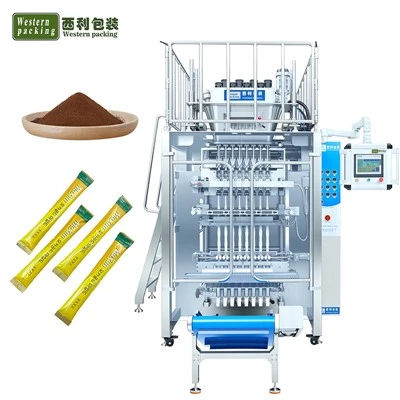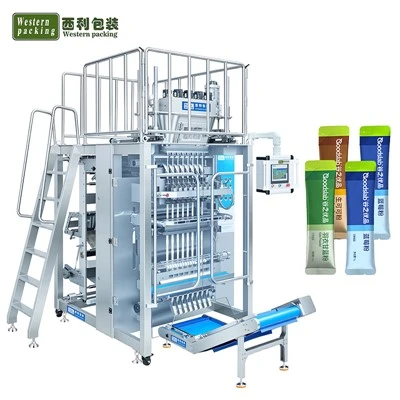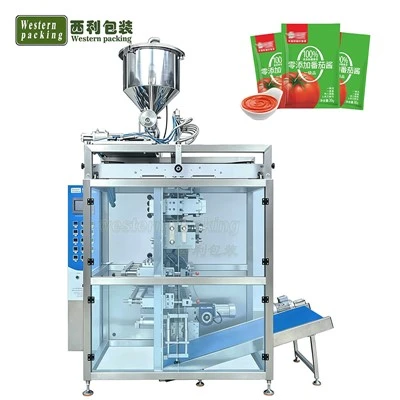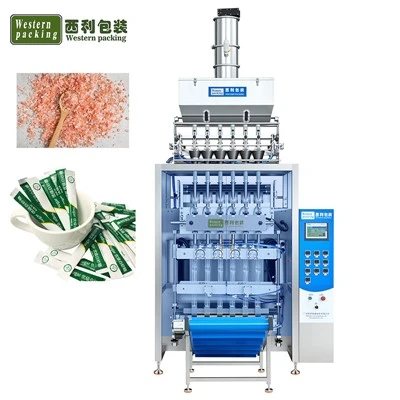


If you’ve ever watched a can of soda pour a perfect stream of carbonated liquid, or stared at a bottle of skincare cream that’s neither too full to squeeze nor too empty to feel like a rip-off, you’ve seen the silent work of a filling machine. As a filling machine supplier, I get asked this question at least three times a week: “What’s the minimum filling volume my machine can handle?” It’s not a one-sentence answer—this number depends on everything from the product you’re pouring to the machinery you choose, and getting it wrong can cost you thousands in wasted goods, customer complaints, or even ruined batches. Let’s break it down, in plain, practical terms, no overly technical jargon.
First, let’s start with the core definition of minimum filling volume: it’s the smallest amount of product a filling machine can dispense accurately, consistently, and safely without leaking, splashing, or under/over-filling. For small-batch craft producers and large-scale manufacturers alike, getting this right is non-negotiable. A baker making mini jars of cashew butter doesn’t need a machine that fills 500ml jars, but they do need one that can reliably put 20ml of creamy cashew butter into tiny 1oz jars—without leaving half the jar empty or spilling product on the label. That’s where product type becomes the first big factor.
Product viscosity is the single biggest driver of minimum filling volume, and it’s not just about thick vs. thin. Let’s think: a runny liquid like water has low viscosity, while honey or thick nut butter has high viscosity. For low-viscosity products, you can usually hit a much smaller minimum volume. Take our Chemical Liquid Bottle Filling Machine, for example. We’ve worked with a client who fills 10ml bottles of disinfectant spray—super thin, consistent, no clumping—with a minimum volume of 5ml, no problem. The machine uses a peristaltic pump that delivers precise, pulse-free flow, so even tiny amounts don’t dribble or split. But if you try to fill 5ml of thick chocolate syrup with the same machine? You’re going to get a glob, not a uniform fill. Viscous products need more room in the nozzle and bottle to flow, so their minimum volume jumps. We saw this with a client who was using a basic filler for their craft lip gloss (super thick, wax-based). They thought they could fill 5ml tubes, but they kept getting inconsistent fills because the product couldn’t move through the small nozzle. Swapping to a machine with a larger, heated nozzle (to keep the gloss fluid) bumped their minimum volume to 8ml, which fixed the issue.
Next, let’s talk about container size and design. A tiny 10ml glass vial is a lot different from a 1L plastic jug. The opening of the container matters, too. If you’re filling a narrow neck vial vs. a wide-mouth jar, you have to adjust the nozzle size to fit. If the nozzle is too big for a small opening, product will get stuck on the rim or drip down the outside, ruining the packaging. We recently launched our Cashew Nut Filling Machine, which is designed for snack producers packing nuts into 2oz (60ml) jars. The minimum volume for this machine is 15ml for cashews, which makes sense—you can’t reasonably fit a single cashew into a smaller jar without it looking sparse, but if you tried to fill 5ml of cashews, the machine would have trouble distributing them evenly without jamming. For liquid products, a narrow bottle neck means the nozzle has to be small, which limits how much you can dispense accurately. Our Cosmetic Liquid Filling Machine, used for tiny 5ml serum vials, has a micro-nozzle that’s calibrated to deliver just 0.5ml in a single shot—perfect for small skincare lines, but you couldn’t use that same nozzle to fill a 100ml bottle of shampoo, because the flow rate would be too slow and inconsistent for larger volumes.
Then there’s the machine’s filling technology, which is where most of the “minimum volume flexibility” comes in. Not all filling machines work the same way, and that’s a key point many producers miss. Let’s go over the main types you’ll see on the market, and their minimum volume ranges:
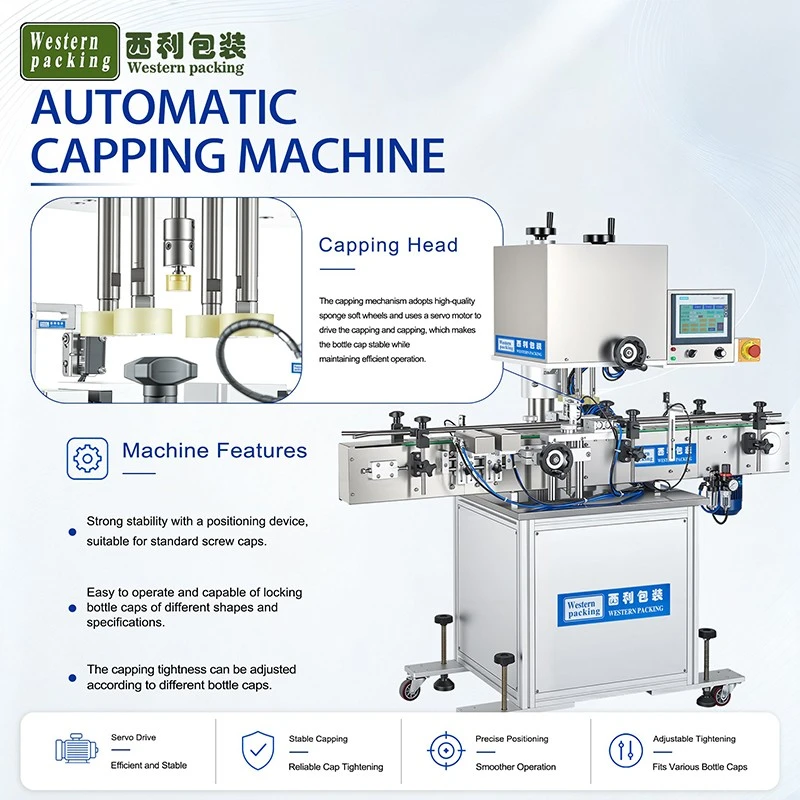
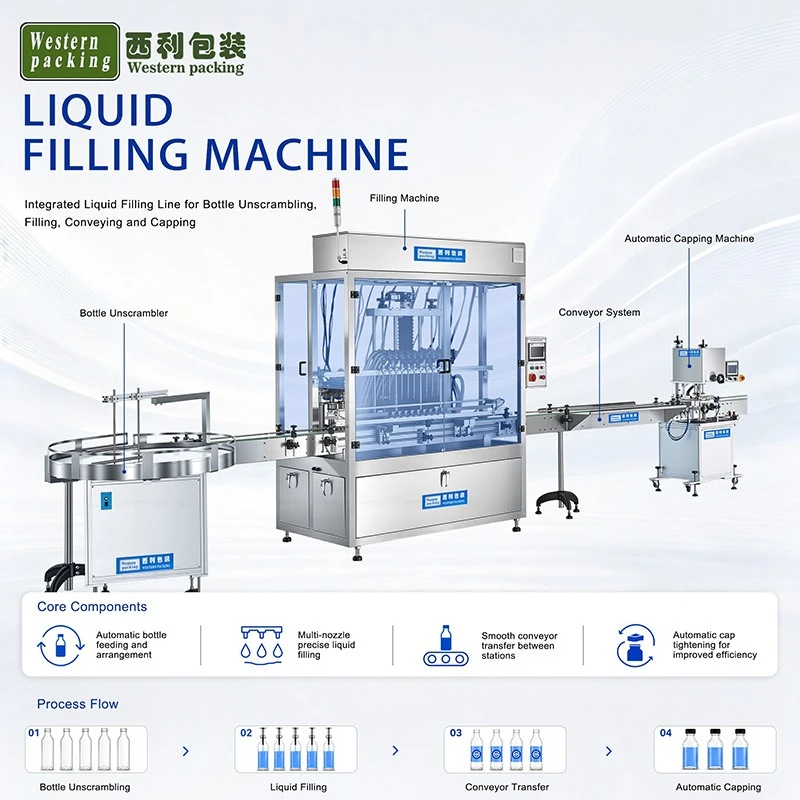
- Piston fillers: These are the workhorses for medium to high viscosity products (think lotions, condiments, liquid detergents). Piston fillers use a cylinder that draws product in and pushes it out, so accuracy depends on the piston’s stroke length. For standard piston fillers, the minimum volume is usually 5ml, but we’ve modified our models to go as low as 1ml for small batches. Our Liquid Detergent Filling Machine uses a precision piston design that can hit 3ml for small travel-sized bottles, no issues—we tested this with a client who was launching mini laundry pods in 5ml plastic cups, and they couldn’t get consistent fills with their old machine, until they switched to our modified piston model.
- Gravity fillers: These are for thin, low-viscosity products like water or juice. Gravity is cheap and simple, but their minimum volume is higher—usually around 20ml, because you need enough product weight to flow consistently through the nozzle. If you try to fill 5ml with a gravity filler, the flow is too weak, and you’ll get uneven fills. For small-batch juice makers, that’s a problem, so we recommend peristaltic or piston fillers instead for sub-20ml volumes.
- Auger fillers: These are for dry products like snacks, powders, or cashews—think of the ones used to fill cereal boxes. Auger fillers use a rotating screw to measure product, and their minimum volume is usually 10ml, because you need enough material to fill the screw flight without it skipping. That’s why our Snack Bottle Filling Machine works best for snack volumes from 10ml up—producers filling smaller snack jars (like 1oz) use this machine, and it delivers evenly distributed nuts or granola every time.
Now, let’s talk about real-world mistakes I see producers make when choosing a machine for their minimum volume. The biggest one is “overbuying” or “underbuying” machine power. A small craft bakery making mini 1oz cookie jars might think they need a machine that fills 100L batches, but that’s overkill—they’ll be wasting energy on a machine that can handle way more than they need, and the minimum volume for that machine will be too high (you can’t adjust a high-volume piston filler down to 5ml without losing accuracy). On the flip side, a large snack producer filling 500ml jars might try to use a low-volume auger filler, and end up with inconsistent fills because the machine can’t keep up with their batch size. Another mistake is ignoring product characteristics: a client of ours tried to use a water-based filling machine for their maple syrup, which is slightly more viscous, and they kept getting minimum volume errors because the machine’s nozzle wasn’t heated to keep the syrup fluid. Once they switched to a modified model with a heated nozzle, their minimum volume dropped from 25ml to 8ml, which was exactly what they needed for their small 3oz syrup bottles.
Testing is non-negotiable here, and that’s where we come in as a supplier. We always offer free sample testing at our facility, because you can’t just rely on specs on a website. For example, if you tell us you need a minimum filling volume of 5ml for a thick lotion, we’ll send you a small unit to test with your actual product, right in our workshop. That way, you don’t waste money on a machine that can’t deliver what you need. We had a startup skincare brand do this last year—they thought their serum could be filled at 2ml, but when we tested it, the serum’s slight viscosity made it impossible to hit that volume consistently. We adjusted their machine’s nozzle size and pump pressure, and they ended up with a working minimum volume of 3ml, which was perfect for their launch.
Another factor to consider is accuracy tolerance. Most filling machines have an accuracy range, usually ±1% to ±2% of the target volume. If you’re filling a 50ml bottle, a 1% tolerance is 0.5ml, so a minimum volume of 5ml might mean you’re only off by 0.05ml, which is negligible. But if you try to go to a 1ml minimum volume with a machine that has a ±2% tolerance, that’s a 0.02ml range—so you’re either slightly under or over, which can add up to hundreds of dollars in wasted product over a month. That’s why matching your accuracy needs to your minimum volume is key. For pharmaceutical products, where accuracy is critical, the minimum volume might be higher (say, 10ml) to hit that ±1% tolerance, while a craft producer making decorative jars might have a slightly wider tolerance and can go lower.
Let’s also address a common myth: the minimum filling volume is fixed for a machine. That’s not true—most modern machines have adjustable settings for stroke length, nozzle size, and pump pressure, so you can tweak the minimum volume within a small range. But there’s a hard limit, and that limit is set by three things: product viscosity, container size, and machine technology. You can’t magic a machine to fill 0.5ml of thick honey, just like you can’t use a gravity filler to fill 1ml of water. The sweet spot comes when you balance all three.
For our own clients, we tailor every machine to their specific minimum volume needs, no one-size-fits-all. We have small tabletop models for startups that need minimum volumes as low as 1ml, and high-speed industrial models for large manufacturers that can hit 5ml minimum volumes with consistent accuracy. For example, the startup skincare brand I mentioned earlier got a tabletop Cosmetic Liquid Filling Machine for their 3ml serum bottles, which cost less than a full industrial unit and was perfect for their small batch size. A snack producer filling 20ml nut jars would opt for our Snack Bottle Filling Machine, which is calibrated for dry products and delivers evenly distributed fills without jamming.
If you’re still unsure about your minimum filling volume, here’s a quick checklist to walk you through it:
- Write down your product type and viscosity (water-thin, thin, medium, thick, very thick)
- Measure the volume of your smallest container (in ml)
- Check if your container has a narrow or wide opening
- Decide on your accuracy tolerance (critical for pharma, flexible for craft)
- Test your product with a machine sample (this is the most important step)
At the end of the day, the minimum filling volume isn’t just a number on a spec sheet. It’s the difference between a product that looks professional and one that gets returned, between a batch that’s profitable and one that’s wasted. As a filling machine supplier, our job isn’t just to sell you a machine—it’s to make sure that machine works for your specific needs, no matter how big or small your minimum volume is.
If you’re in the market for a filling machine and want to find the right minimum volume for your product, we’d love to help you work through the details. Whether you’re a small startup launching a new line of cosmetics, a snack producer packing nut jars, or a chemical company needing to fill small bottles of industrial liquid, we have machines calibrated to hit your exact minimum volume needs. Stop guessing and start getting accurate, consistent fills that help your business grow. Reach out to our team to discuss your project and book a free sample test—we’re here to make your filling process seamless.
References
- Filling Machinery Manufacturers Association. (2022). "Key Factors Determining Minimum Filling Volume for Liquid and Solid Products." Industry Technical Bulletin.
- Smith, J. (2021). Modern Packaging Equipment: Selection and Optimization for Small to Medium Batch Producers. Packaging Technology Press.
- Lee, S. et al. (2023). "Viscosity and Nozzle Design Impacts on Filling Accuracy for Miniature Packaging." Journal of Industrial Packaging Engineering, 18(2), 45-62.
- International Organization for Standardization (ISO). (2020). "ISO 13951:2020 Packaging — Filling of containers by liquids — Vocabulary and general conditions for filling machines." ISO Standards.