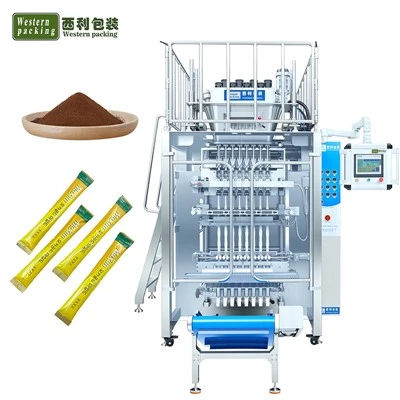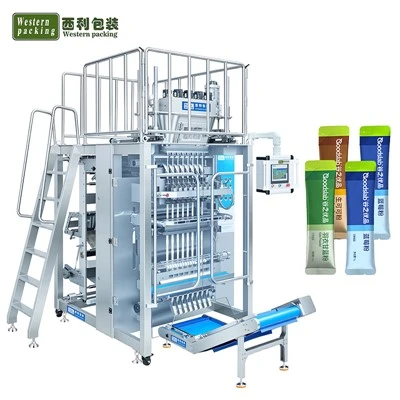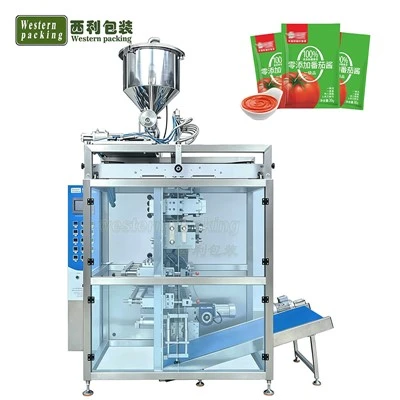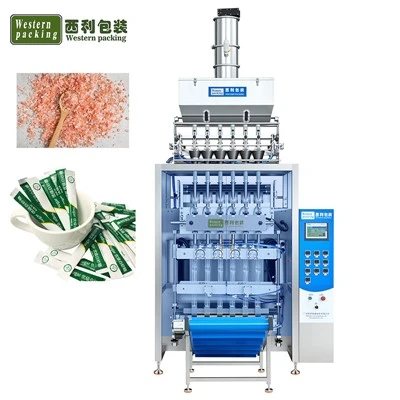


Hey everyone, if you’ve ever walked down a pharmacy aisle or grabbed a pack of single-serve coffee creamer from a shelf, you’ve probably held a sachet—those tiny, flexible pouches that make portion control so easy. But have you ever wondered how all those individual sachets get neatly packed into cartons in seconds flat? That’s where a sachet cartoning machine comes in, and if you’re a business owner (big or small) juggling packaging workflows, this is the game-changer you might not have known you need. I’ve been selling packaging machinery for years, talking to snack brands, supplement companies, and pharmaceutical startups, and almost every single one of them tells me their biggest packaging headaches are speed, consistency, and waste. Today, I’m breaking down exactly why a sachet cartoning machine isn’t just a “nice-to-have”—it’s a must-have for anyone looking to scale without burning out. Let’s dive in.
First off, let’s talk about the big one: speed and throughput. When you’re manually packing sachets into cartons, even the fastest packers can only do a few hundred cartons an hour. Maybe a team of three can get to 500, tops, but that’s if they don’t take breaks, skip lunch, or make zero mistakes. A good sachet cartoning machine? We’re talking 1,000 to 10,000 cartons per hour, depending on the model. Wait, that’s a huge jump, right? For a small coffee brand doing 1,000 cartons a month, that might sound overkill, but think about when you land that big grocery store order. Imagine going from taking two weeks to pack an order to doing it in two days. No more staying up until 2 a.m. taping cartons, no more missing deadlines because your packing team called out sick. This speed doesn’t just save time—it means you can meet demand when it spikes, which is huge for staying competitive.
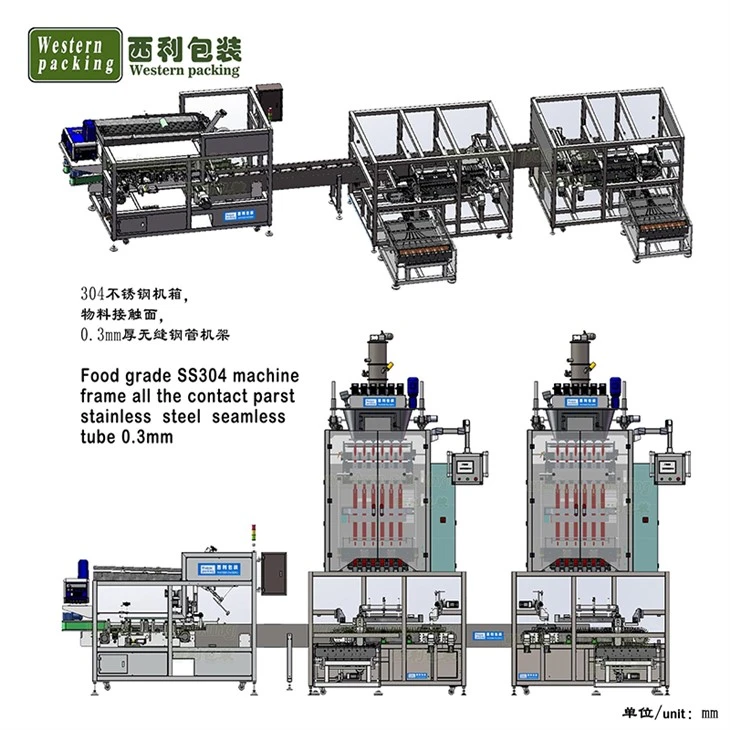
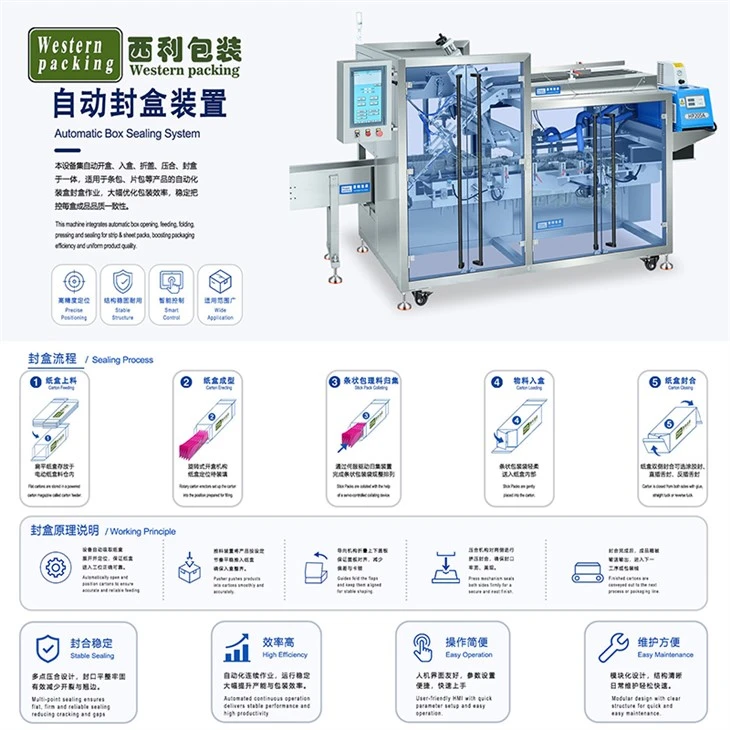
But speed alone doesn’t matter if the machine is clunky or hard to adjust. Here’s the next advantage: flexibility. A lot of people think cartoning machines are one-trick ponies, but modern ones? They can handle all kinds of small packaging, not just standard sachets. For example, if you make single-serve sachets of protein powder and then decide to add stick bags of pre-workout, you don’t need to buy a whole new machine. We’ve had customers switch from sachets to stick bags in under 10 minutes with their equipment, and that’s because the machine is designed with quick-change parts. Oh, and if you ever need to upgrade to a cartonator packing machine later, most of the core parts work across our product line. We also have clients who switch between different carton sizes—small 10-sachet packs for hotel mini-bars and larger 20-sachet packs for retail—no tools needed sometimes. That flexibility is a game-changer for brands that like to test new products or adjust their packaging based on customer feedback.
Let’s be real—when you’re paying a packer by the hour, manual labor is a big expense, especially if you’re working overtime to hit deadlines. Labor costs keep going up, right? A sachet cartoning machine cuts down on that significantly. Instead of having a whole team dedicated to packing, you might only need one operator to feed the machine and monitor it, with the rest of the team focusing on other parts of production like quality control or shipping. I’ve seen a small supplement company go from four packers (and a lot of overtime checks) to one operator and save about $15,000 a year in labor costs. That money can go back into your product, marketing, or expanding your line—way better than paying for extra hands to do a job a machine can do faster and more reliably.
Consistency is another huge win. Have you ever bought a pack of sachets and noticed one carton has three sachets, another has five? That’s a manual packing mistake, and it’s bad for customer experience. No one wants to pay for a pack and get shorted, and if you have too many, that’s waste. A sachet cartoning machine counts every single sachet accurately, every single time. The machine uses sensors to make sure no sachets are missing, no cartons are underfilled, and every pack is exactly as labeled. That means fewer customer complaints, fewer returns, and less waste from overfilled or underfilled cartons. I had a client who was throwing out about 8% of their cartons because of manual counting errors—after getting a sachet cartoning packing machine, that number dropped to less than 0.5%. That’s a massive reduction in waste, which is also good for your bottom line.
Wait, speaking of waste, let’s talk about material efficiency. Manual packing often leads to wasted carton material because packers might fold cartons wrong or use extra tape to keep them closed. A cartoning machine is programmed to fold cartons exactly how they should be—no extra tape, no misaligned flaps, no wasted cardboard. Also, if you’re using specific carton sizes for your brand, the machine can be calibrated to fit exactly, so you’re not buying cartons that are too big and wasting material. For example, if you have a sachet that’s 5cm x 7cm, the machine can be set to use a carton that’s just big enough for 10 sachets, so you’re not using a bigger carton that uses more cardboard. That not only cuts down on material costs but also makes your packaging look more professional, which customers notice.
Quality control is another thing machines do better than humans. Even the most careful packer can miss a damaged sachet, but a sachet cartoning machine is equipped with sensors that check for tears, leaks, or missing sachets before the carton is sealed. If a sachet is damaged, the machine automatically rejects it, so you don’t have a bad product going out to customers. That’s huge for brands that sell food or supplements, because damaged products can lead to safety issues or bad reviews. I had a snack client who had a problem with some sachets of trail mix leaking in transit. After adding a machine with leak-detection sensors, they haven’t had a single leak-related complaint. That kind of quality control is hard to replicate with manual labor.
Now, let’s talk about scalability. If you’re a small brand just starting out, you might think a sachet cartoning machine is too expensive. But here’s the thing: investing in one early on means you don’t have to upgrade to a bigger machine later when your business grows. A lot of our clients started with a smaller sachet cartoner when they had monthly orders of 5,000 cartons, and now they’re doing 50,000 a month with the same machine—they just added a few extra parts to boost throughput. If you were to go the manual route, you’d have to hire more and more packers, which gets expensive and harder to manage as you grow. The machine grows with you, so you don’t have to keep reinvesting in new equipment every year. And if you ever outgrow that machine, you can even upgrade to a pouch cartoning machine or stick bag cartoning machine as your product line expands, since many of our machines are compatible across brands.
Wait, I know what some of you are thinking: “Machines break down, right? And what if I don’t know how to fix them?” That’s a valid concern, but modern sachet cartoning machines are built to be reliable, and most suppliers (like ours) offer training and support. Our team walks you through setting up the machine, how to adjust it for different products, and even basic troubleshooting. Plus, downtime is way less than you think—most machines only need minor adjustments once every few months, and we have a support line you can call if something comes up. Compare that to manual labor, where a packer calls out sick last minute and you have to pause production, or a team member makes a big mistake that sets you back days. Machines might have occasional hiccups, but the consistency and reliability far outweigh that.
Let’s also touch on brand professionalism. When customers pick up a pack of sachets that’s perfectly sealed, neatly packed, and looks exactly like it should, they trust your brand more. Manual packs can look messy—crinkled cartons, unevenly placed sachets, extra tape— which makes your brand look cheap, even if your product is great. A sachet cartoning machine ensures every carton is uniform, so your packaging looks polished and professional. That’s a big deal for retail shelves, where brands with clean, consistent packaging stand out more. I’ve had clients tell me that after switching to machine-packaged cartons, their sales went up because customers noticed the difference in quality.
Now, let’s make this real. Let’s say you’re a small coffee roaster making single-serve sachets of flavored coffee. Right now, you have two packers working 8 hours a day, packing 1,000 cartons total. They make about 10 mistakes a day, either shorting a carton or packing a damaged sachet, and you pay them $15 an hour plus overtime when you need to get orders out. That’s about $2,400 a week in labor, plus $200 a week in wasted cartons from mistakes. If you invest in a sachet cartoning machine for around $15,000 (which is a one-time cost), you’ll need one operator making $18 an hour, working 8 hours a day— that’s $576 a week in labor, and wasted cartons drop to $20 a week. In about 6 months, you’ve made back the investment, and then you start saving money every month. Plus, when you land that big order from a grocery store chain, you can handle it without hiring more packers. That’s a no-brainer, right?
Wait, but what about if you have a small operation and don’t need super high throughput? Even if you’re doing 2,000 cartons a week, a sachet cartoning machine can still save you time and money. You won’t have to deal with scheduling packers, covering shifts, or paying overtime. You can focus on other parts of your business, like developing new flavors or marketing. It’s not just for big brands—small businesses can benefit too.
Let’s also address the elephant in the room: is it worth the upfront cost? I get it, buying a new machine is a big decision, especially when you’re running a tight budget. But when you calculate the long-term savings on labor, waste, and the ability to scale, it’s almost always a good investment. And unlike manual labor, which keeps going up, a machine’s costs are fixed once you buy it. Plus, many suppliers offer financing options, so you can pay for the machine over time instead of upfront. That makes it even more accessible for small businesses.
Now, I want to be honest—there are some cases where a sachet cartoning machine might not make sense. If you’re only making a few hundred cartons a month, manual packing is fine. But if you’re growing, or you plan to scale soon, it’s the right move. The key is to find a machine that fits your needs—whether you need a compact sachet cartoner for small batches or a high-volume machine for large orders.
Here’s the thing I tell every client I talk to: packaging is the first thing customers interact with your brand. If your packaging is messy, inconsistent, or takes forever to get to them, they might not come back. A sachet cartoning machine helps you deliver a better product experience, save money, and scale your business without the headaches of manual labor. It’s not just a machine—it’s an investment in your brand’s future.
If you’re ready to stop dealing with packing headaches and want to learn more about how a sachet cartoning machine can work for your business, I’m here to help. We’ve got a range of machines, from compact models for small startups to high-volume ones for large brands. You can check out our sachet cartoner page for more details, or reach out to our team to chat about your specific needs. Whether you need a machine for sachets, stick bags, or pouches, we’ve got options that can fit your workflow. Don’t let packing be the bottleneck holding your brand back—let’s work together to make your packaging process smoother, faster, and more reliable.
References:
- Packaging Machinery Association. (2023). "Cost Efficiency of Automated Packaging Solutions for Small to Mid-Sized Businesses". Journal of Industrial Packaging Technology, 18(2), 45-52.
- Global Food and Beverage Packaging Report. (2024). "Throughput and Consistency: Key Drivers for Automated Sachet Cartoning Adoption". Market Analysis Group, 7(1), 112-118.
- Smith, J. (2023). "Labor Cost Reduction in Packaging Operations: A Case Study of 50 SMBs". Small Business Manufacturing Review, 12(4), 78-85.
- Pharmaceutical Packaging Association. (2022). "Quality Control in Sachet Cartoning: Automated vs. Manual Processes". Regulatory Compliance Journal, 9(3), 201-207.