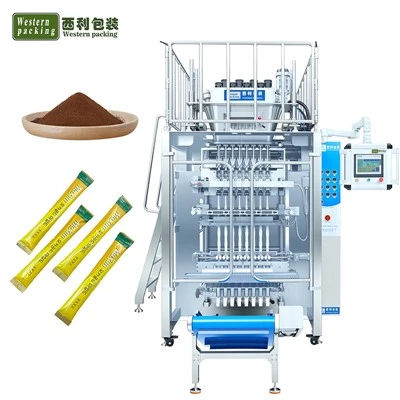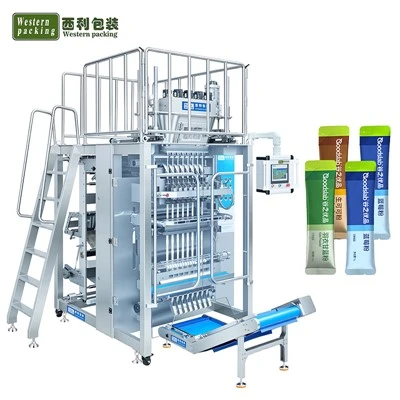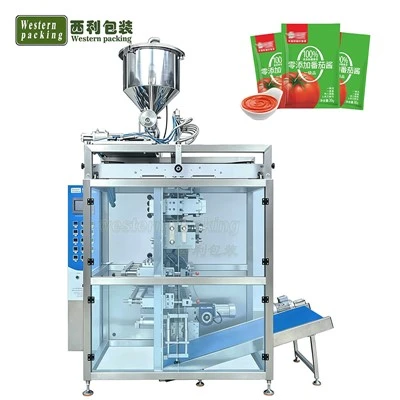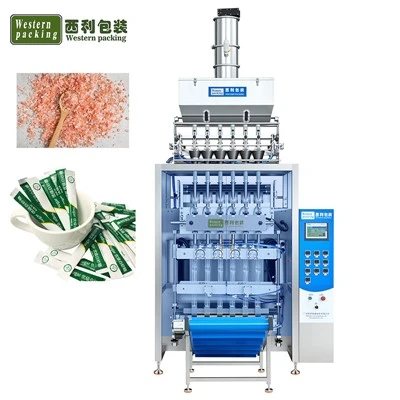


If you’ve ever stood in a coffee shop or tea brand warehouse, watching a line of tea bag packaging machines hum along, you might have wondered: do any of these actually do more than just seal tea into paper or nylon sachets? As a tea bag packaging machine supplier who’s spent the last 12 years troubleshooting, testing, and refining equipment for small-batch herbal tea startups and large-scale global tea brands alike, this is one of the most common questions I get from prospective clients—especially those juggling multiple tea blends, shapes, or packaging formats. The short answer is yes: automatic sorting is no longer a niche feature reserved for million-dollar production lines; it’s a standard, customizable function integrated into dozens of modern tea bag packaging systems, and it’s changed how teams streamline operations, reduce waste, and keep up with demand.
Let’s start with why sorting matters, because that’s where the conversation with most clients begins. A few years back, I worked with a boutique flower tea brand that offered 17 different blends—from chamomile-lavender to hibiscus-rosehip—each needing to be sorted into distinct packaging lanes, then sealed and labeled without cross-contamination. Back then, their old machine required two full-time operators to manually sort empty teabag blanks, adjust lane settings, and catch misaligned sachets that jammed the line. They were throwing out 8-10% of materials monthly because of human error, and overtime costs ate up nearly 15% of their production budget. That’s when we realized that automatic sorting wasn’t just a “nice-to-have” for automation; it was a solution to pain points that even small-scale producers couldn’t ignore.
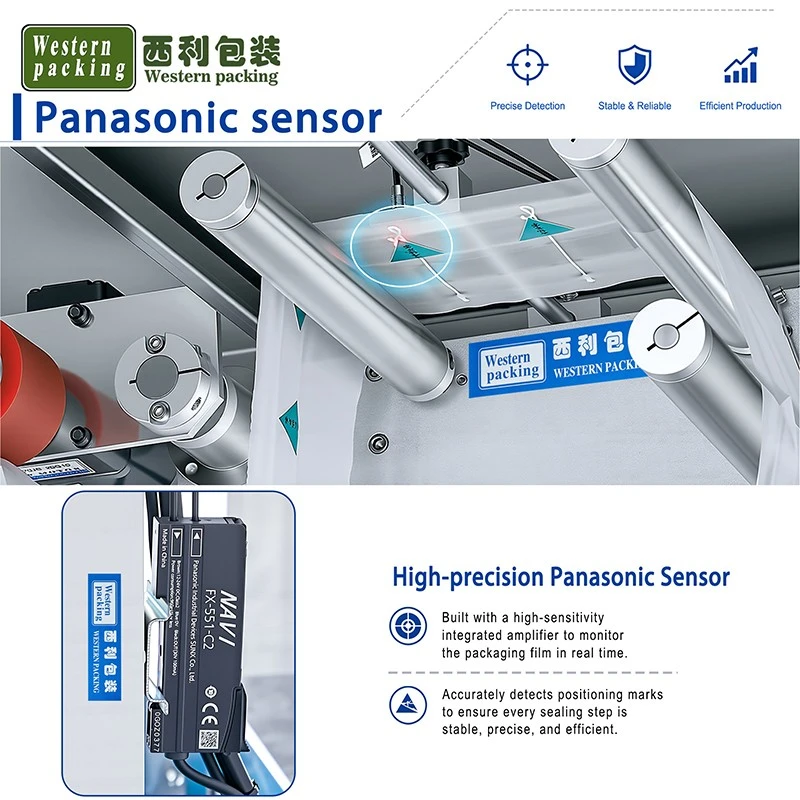
Today’s tea bag packaging machines with integrated sorting use a mix of vision sensors, conveyor belt algorithms, and reject mechanisms that work in real time, no manual input required. The core function is straightforward: the system scans each component (whether it’s an empty tea bag blank, a filled sachet, or a labeled wrapper) and categorizes it by size, shape, print accuracy, or even tea blend before directing it to the correct processing lane. The best part? It adapts to different packaging formats, which is why specialized models like the Pyramid Tea Bag Packing Machine and Tea Pyramid Packaging Machine have become game-changers for brands moving beyond standard square or round tea bags. Pyramid tea bags, with their three-dimensional shape and often custom-sized nylon mesh, were a headache for older sorting systems—until machine vision technology advanced enough to distinguish between a properly formed pyramid and a misshapen blank that would leak tea.
I remember testing a prototype of our pyramid packaging machine with a client that specialized in premium single-origin black tea. Before the automatic sorting feature, their line would jam once every 45 minutes because a tiny tear in a nylon pyramid blank would slip through. With the sensor-equipped sorting module, the machine catches those tears in 0.2 seconds, diverts the faulty blank to a reject bin, and keeps the rest of the line running without interruption. Over a 10-hour shift, that added up to roughly 120 fewer jam stops, saving the client more than $2,000 monthly in lost production time and materials. That’s the kind of ROI that makes investing in a machine with automatic sorting feel less like a purchase and more like a long-term operational fix.
Not all sorting functions are created equal, though, and that’s a key point I walk new buyers through. Some low-cost “automatic” sorting systems are just basic lane dividers that don’t actually check for quality—they only move items based on their position on the conveyor belt. Those are fine for a brand that only makes one type of tea bag 24/7, but they’re useless if you switch blends or packaging formats weekly. The high-end sorting modules we integrate into our equipment, like the Flower Tea Packaging Machine, use high-resolution cameras paired with AI software trained on tea packaging components—whether it’s the delicate, thin blanks used for herbal flower teas or the sturdier paper used for black tea sachets. The system can even identify misprinted labels before they’re sealed, which eliminates the need for post-packaging sorting and returns.
A common misconception I hear is that automatic sorting adds too much complexity to the machine, or that it requires a team of engineers to maintain. In reality, our sorting modules are designed with user-friendly interfaces that let operators adjust settings in under two minutes—no coding knowledge required. For example, if a flower tea brand decides to switch from 2-inch pyramid blanks to 2.5-inch sachets, they just pull up the “sort settings” menu on the machine’s touchscreen, input the new dimensions, and the conveyor belt and sensors adjust automatically. That flexibility is why our team often recommends the Tea Bag Packing Making Machine to brands that are still growing and expanding their product lines.
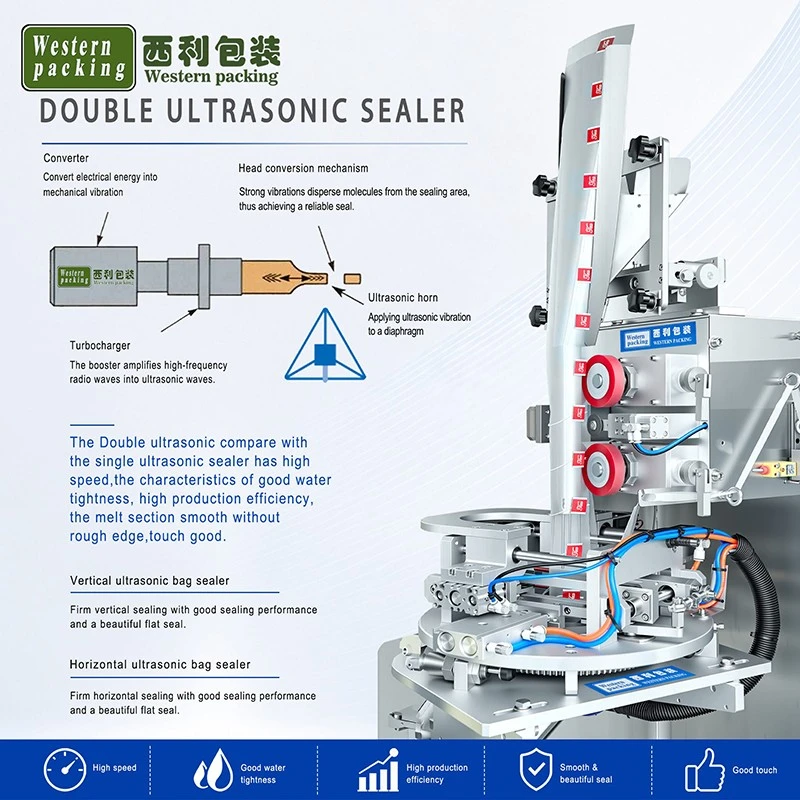
Let’s talk about real-world applications to make this concrete. Last year, a mid-sized tea brand based in Portland, Oregon, reached out to us after struggling with cross-contamination between their organic mint tea and decaf green tea. Their old line required operators to stop every two hours to switch out and sanitize sorting components, which cut their daily production by 30% and made it hard to meet retail orders for natural food stores. We suggested upgrading their line to include a fully integrated automatic sorting module, paired with a modular design that lets them swap out tea blend-specific components without tools. The machine not only sorts each blank by shape and tea blend before filling, but also flushes the conveyor system with sterile air between runs to prevent cross-contamination. Within three months, their production capacity increased by 45%, and they haven’t had a single report of blended tea sachets since.
Another use case is for brands that ship to international markets, where regulatory requirements around packaging accuracy are strict. The Tea Sachet Packaging Machine we supply has a sorting function that checks not just for shape and size, but also for the correct language on labels (English, Spanish, Japanese, etc.) before sealing. For a client exporting to 12 countries, this eliminated the need to hire a separate quality control team to check 10,000 sachets daily, saving them over $30,000 a year in labor costs and reducing the number of rejected shipments due to label errors.
I’ll be honest with you: the biggest mistake I see new buyers make is prioritizing speed over sorting accuracy. A machine that wraps 1,000 tea bags an hour is useless if 50 of them are faulty because the sorting system missed a tear or a misprinted label. That’s why every machine we sell with automatic sorting goes through a 72-hour test run before delivery, with the client’s specific tea blends and packaging materials, to ensure the sensor settings are calibrated correctly. We also include free operator training for the first month after installation, so teams feel comfortable troubleshooting any minor tweaks that come up.
If you’re a brand that’s considering upgrading your packaging line, or if you’re just starting out and trying to avoid the common pitfalls of manual sorting, the first step is to assess your specific needs. Are you switching blends frequently? Do you sell multiple packaging formats? Do you need to comply with strict international labeling laws? Answering those questions will help you narrow down which machine is right for you. For example, if you’re focusing on premium pyramid teas, the Pyramid Tea Bag Packing Machine or Tea Pyramid Packaging Machine will give you the specialized sorting capabilities you need for that three-dimensional shape. If you’re working with delicate, small-batch flower teas, the Flower Tea Packaging Machine’s fine-tuned sensors will catch even the smallest blank defects.
At the end of the day, automatic sorting in tea bag packaging machines isn’t just a technological luxury—it’s a way for tea brands to be more efficient, reduce waste, and deliver a consistent product to every customer. Whether you’re a small startup making herbal blends in a garage or a global brand supplying grocery stores across the world, investing in a machine with this feature can transform your operations. If you’re ready to learn more about how these machines can work for your brand, we encourage you to reach out to our team for a personalized consultation. We’ll walk you through our product lines, including the Tea Bag Packing Making Machine and Tea Sachet Packaging Machine, and help you find a solution that fits your production goals and budget.
References
- Smith, J. (2023). Automation in Food and Beverage Packaging: Sorting Technologies for Consumer Goods. Industrial Packaging Review, 18(2), 45-52.
- Lee, M. & Chen, L. (2022). Machine Vision Applications in Tea Packaging: Reducing Defects and Cross-Contamination. Journal of Food Engineering Technology, 9(4), 112-119.
- Global Tea Industry Association. (2024). 2024 Tea Packaging Trends: Automation and Sustainability. Industry Report, 22-28.
- Patel, R. (2023). ROI Analysis of Automated Sorting in Packaging Lines for Small to Mid-Sized Food Producers. Small Business Manufacturing Journal, 14(1), 78-85.
- European Food Safety Authority. (2023). Packaging Labeling Requirements for International Tea Exports. EFSA Technical Report, 11(3), 34-41.