

If you’ve ever bought a bag of coffee beans that says “flavor-locked” on the seal, or noticed how a bag of protein powder stays clump-free and fresh for months past its expiration date, you’ve witnessed the quiet work of gas filling in powder packaging machines. As a supplier of all kinds of powder packaging equipment, I get asked this question all the time: “Wait, why would you fill a powder bag with gas? The stuff inside is already a powder.” It makes sense if you only think about moving powder from point A to point B, but gas filling isn’t just a random extra step—it’s the difference between a product that sells and one that gets tossed, whether you’re packing pharma powder, spice, or that turmeric you use for lattes.
Let’s start with the basics. Powder is a tricky beast—it’s not liquid or solid; it’s tiny, porous, and reacts way faster to its environment than most people realize. When you package powder, the two biggest enemies are moisture and oxygen. Both can turn a perfectly good product into something useless fast. For example, a pharmaceutical powder that’s supposed to be stable might degrade if oxygen breaks down its active ingredients. A spice like paprika can get moldy if moisture creeps in, and worse, it can lose that bright, earthy flavor that makes people come back. Even beverage powders like instant coffee or matcha can go rancid if they pick up too much oxygen, turning that morning pick-me-up into a dull, off-tasting mess.
That’s where gas filling comes in. Instead of just sealing a bag with the powder and whatever air was in the fill head, gas filling flushes out the air (which has both oxygen and moisture) and replaces it with a gas that doesn’t react. Most of the time, we use nitrogen—it’s inert, meaning it doesn’t cause chemical reactions, and it’s cheap enough that it doesn’t jack up packaging costs. Sometimes we mix in a tiny bit of carbon dioxide for products that hate mold even more, but nitrogen is the workhorse here. I like to explain it like this: if air is like a crowded room with rude people (oxygen and moisture) messing up your stuff, gas filling is ushering those rude people out and replacing them with quiet, neutral neighbors that leave your powder alone.
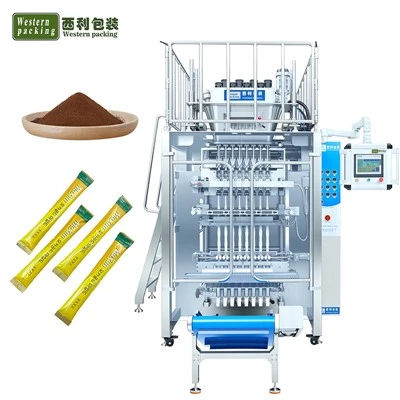
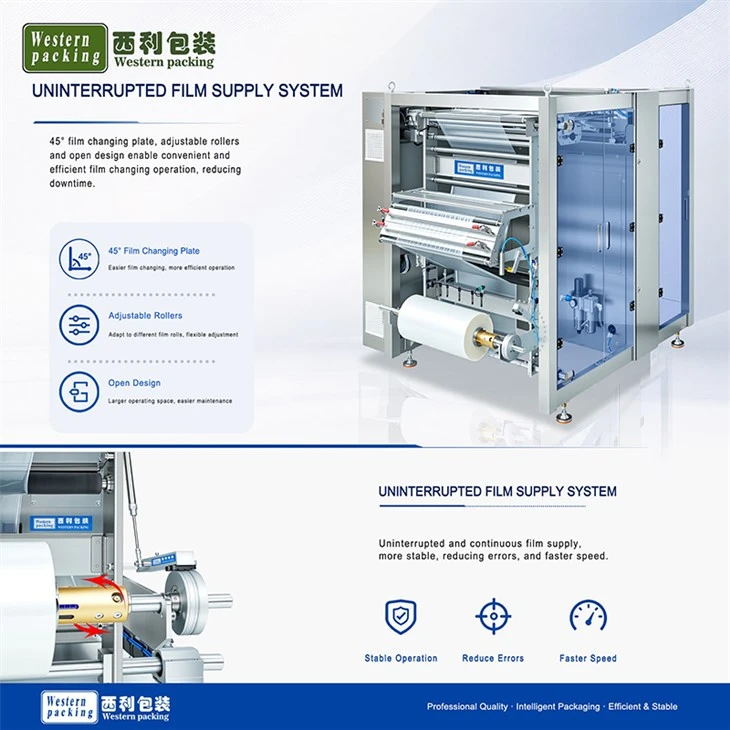
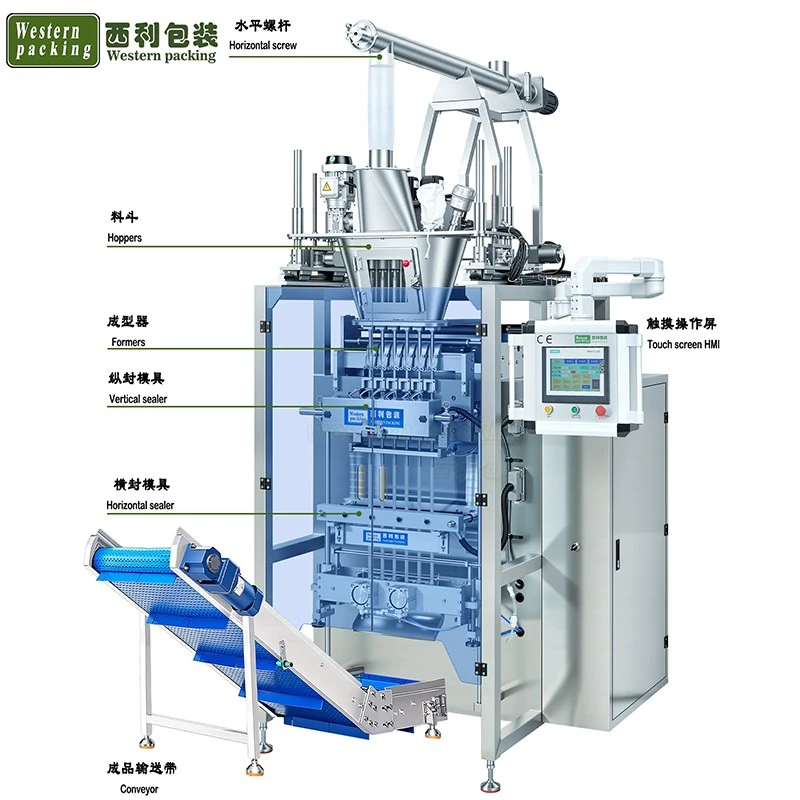
Now, let’s tie this to actual machines, because not all powder packaging needs the same gas setup. If you’re doing pharmaceutical powder, for example, the rules are way stricter—you can’t have any contamination, and the active ingredients need to stay potent for years. The Pharmaceutical Powder Stick Pack Machine we offer is built with a precise gas filling system that flushes out 99.9% of oxygen before sealing the stick pack. Stick packs are those narrow, single-serve pouches you see for things like protein shakes or vitamin powders, and gas filling is make-or-break here because there’s almost no extra room in the pack. If you skip gas filling, the powder will go bad in weeks instead of months, and pharma companies can’t afford to have that—their products have to be safe and effective for the full shelf life they promise.
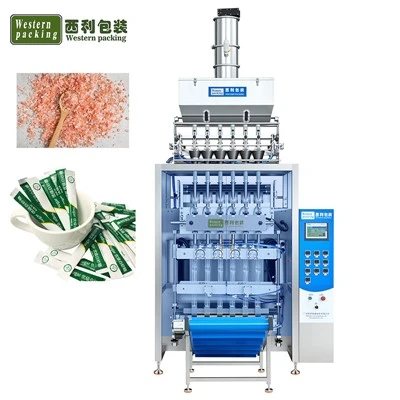
Spice is another big one. Think about when you open a jar of cumin from the grocery store that’s been on the shelf for six months—it’s usually still vibrant, right? That’s because spice packaging uses gas filling too. Our Spice Packaging Equipment is designed for powders that are delicate (like dried herbs or ground chili) and lose flavor quickly when exposed to air. The gas filling system here is calibrated to not over-pressurize the bag, which is key for spices—you don’t want a bag of paprika to burst on the shelf. It flushes out the air just enough, seals tight, and preserves that bright color and aroma that makes customers pay for good spice.
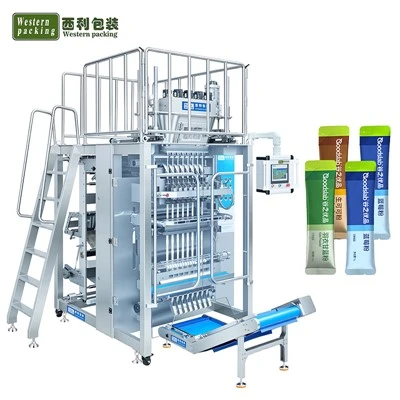
Even if you’re not a big spice or pharma brand, fully automatic powder packing machines rely on gas filling for consistency. A lot of small to mid-sized manufacturers think gas filling is an extra cost, but here’s the thing: it actually saves money in the long run. If you don’t use gas filling, you’ll have higher product waste because of spoilage, and customers will get bad product, which leads to returns and bad reviews. Our Fully Automatic Powder Packing Machine has a programmable gas flow system—you can adjust how much gas to use depending on the powder. For example, fine powder like matcha needs a slower flush so it doesn’t get sucked out with the air, while coarser powder like garlic powder can handle a faster flush. That customization is what makes gas filling work for different products, not just a one-size-fits-all setup.
I get asked a lot about specific powder types too, like turmeric powder, which is super popular right now for everything from lattes to skincare. Turmeric is high in curcumin, which is the active compound that gives it all the health benefits—but curcumin breaks down really fast when exposed to oxygen and light. So our Turmeric Powder Packaging Machine has a two-step process: first, it flushes out oxygen with nitrogen, then it seals the bag with a layer of oxygen barrier film on top of that, and sometimes even adds a tiny bit of extra nitrogen to make the bag feel “puffed” (that’s not just for looks—it’s a quick check for if the seal is broken. If the bag is flat, it means air got in somewhere, and you know to toss it before it goes to a customer). That’s a big win for brands selling turmeric directly to consumers—they can say their product stays potent for 18 months instead of 3, which makes it way more competitive.
Beverage powders are another area where gas filling is non-negotiable. Instant coffee, hot cocoa mix, protein powder—all of these are designed to dissolve in water, but oxygen can make them go stale or get off-flavors. For example, instant coffee that’s been exposed to oxygen will taste flat, not bright like it’s supposed to. Our Beverage Powder Packaging Machine uses a precise gas filling system that’s timed perfectly with the powder fill. If you fill the powder and then flush gas too late, some powder will absorb moisture from the air before the seal happens, which causes clumping. No one wants clumpy protein powder in their shake, right? So the machine does the fill and flush at the same time, cutting down on that time powder is exposed to air.
Wait, let’s bust a common myth here. Some people think gas filling is just for extending shelf life, but it also helps with packaging appearance and efficiency. For one, if you have a bag that’s slightly under-sealed, the nitrogen inside will leak out, making the bag flat—so you can spot bad seals on the line before they get shipped, which cuts down on waste. Also, for powder that’s prone to clumping, nitrogen creates a slight cushion that keeps the powder particles from pressing together too tight. That means when a customer opens the bag, it pours smoothly, not in a hard clump that you have to dig out with a spoon. Small things like that make a big difference in customer satisfaction, which leads to repeat business.
Another thing I tell customers is that gas filling isn’t optional for any powder that’s sold outside of a week’s time. If you’re making a batch of spice and selling it at a farmers market that same day, you might not need it, but if you’re packaging it for retail shelves that take 2-3 weeks to reach customers, gas filling is mandatory. For pharma, it’s even a regulatory requirement—you can’t sell a drug that’s degraded because of bad packaging, so gas filling is part of the FDA guidelines for many powder medications.
As a supplier, I’ve seen first-hand what happens when people skip gas filling. A small coffee roaster I worked with a few years ago used a basic packing machine without gas filling, and within two months, their coffee powder started tasting stale. They lost 40% of their product to spoilage before they switched to a machine with our gas filling system—once they did that, waste dropped to under 5%, and sales went up because customers noticed the difference in freshness. That’s the kind of real-world result that makes me talk about gas filling so much—it’s not just a tech feature, it’s a solution to actual problems that manufacturers deal with every day.
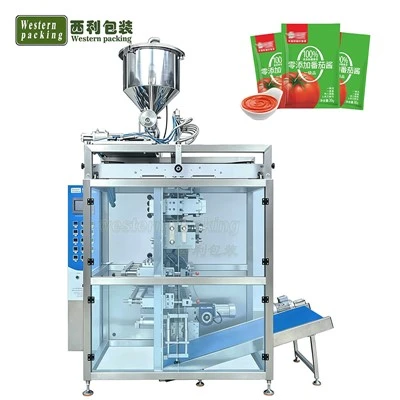
If you’re in the powder business and wondering if gas filling is right for your products, don’t overcomplicate it. Think about how long you need the product to stay fresh, how delicate the powder is, and what kind of packaging you’re using. If it’s going to sit on a shelf for months, or if it’s a pharma or spice product, gas filling is almost always worth it. Our team can help you figure out exactly what you need—whether you need a compact Pharmaceutical Powder Stick Pack Machine for single-serve pharma, a high-speed Spice Packaging Equipment for retail, or a Fully Automatic Powder Packing Machine that can handle multiple powder types. We also have specialized machines like our Turmeric Powder Packaging Machine and Beverage Powder Packaging Machine built for those specific use cases, so you don’t have to overspend on features you don’t need.
At the end of the day, the gas filling function of a powder packaging machine is all about protecting your product. It’s about making sure when a customer buys your powder, it’s exactly as good as the day it left your facility—whether that’s a vitamin powder, a jar of cinnamon, or a bag of instant matcha. Without that gas flush, you’re leaving your product vulnerable to things you can’t see, and that’s a risk you don’t have to take.
If you’re looking to upgrade your powder packaging line, or just have questions about how gas filling can help your business, reach out to our team to discuss your specific needs. We’ll walk you through the different options, show you how the gas filling system works for your product, and help you find a solution that fits your budget and production goals.
References
- Food and Drug Administration. (2022). Guidance for Industry: Container Closure Systems for Packaging Human Drugs and Biologics. U.S. Department of Health and Human Services.
- Soriano, A. et al. (2021). Modified atmosphere packaging for powder products: A review of applications and shelf-life extension. Journal of Food Engineering, 298, 110452.
- Zhang, L. et al. (2020). Oxidation stability of powdered food products under modified nitrogen atmosphere packaging. LWT - Food Science and Technology, 127, 109428.
- European Pharmaceutical Association. (2019). Packaging Guidelines for Solid Oral Dosage Forms. EPhA Publishing.
- Gaman, P. & Sherrington, K. (2017). Snack Foods: Processing and Technology (2nd ed.). Woodhead Publishing.