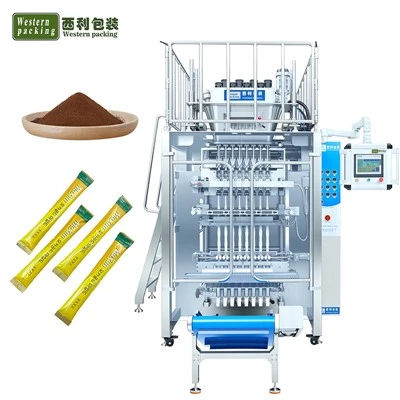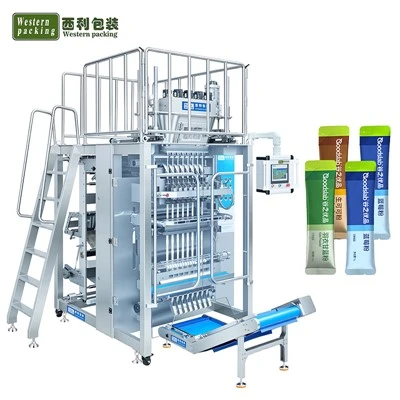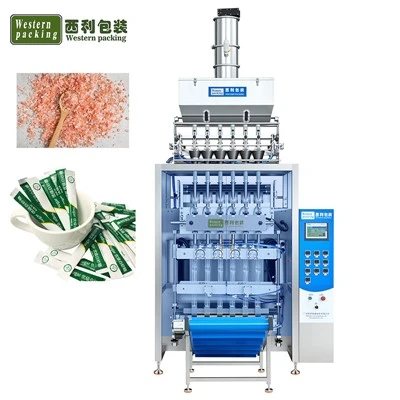


If you’ve ever stood in a convenience store, pharmacy, or coffee shop grabbing a single-serve packet of instant coffee, protein powder, or multivitamin tablets, chances are that slender stick-shaped sachet didn’t end up on the shelf by accident. Behind every perfectly aligned, properly sealed stick sachet waiting for a consumer is a piece of equipment you might not think about often: the Stick Sachet Cartoning Machine. As a supplier of this specialized machinery, I’ve spent years working directly with small-batch artisanal brands and large-scale FMCG (fast-moving consumer goods) manufacturers alike, and one of the most common questions I get is: what exactly packaging styles can these machines support?
It’s a fair question. Stick sachets are deceptively versatile—they come in all sizes, hold everything from liquid honey to powdered collagen, and need to be packaged in everything from plain white shipping boxes to branded retail cartons that stand out on crowded shelves. A Stick Sachet Cartoning Machine isn’t a one-size-fits-all tool; its design is tailored to handle specific packaging formats, and understanding those formats can help brands make smarter decisions when investing in new equipment or upgrading their production lines.
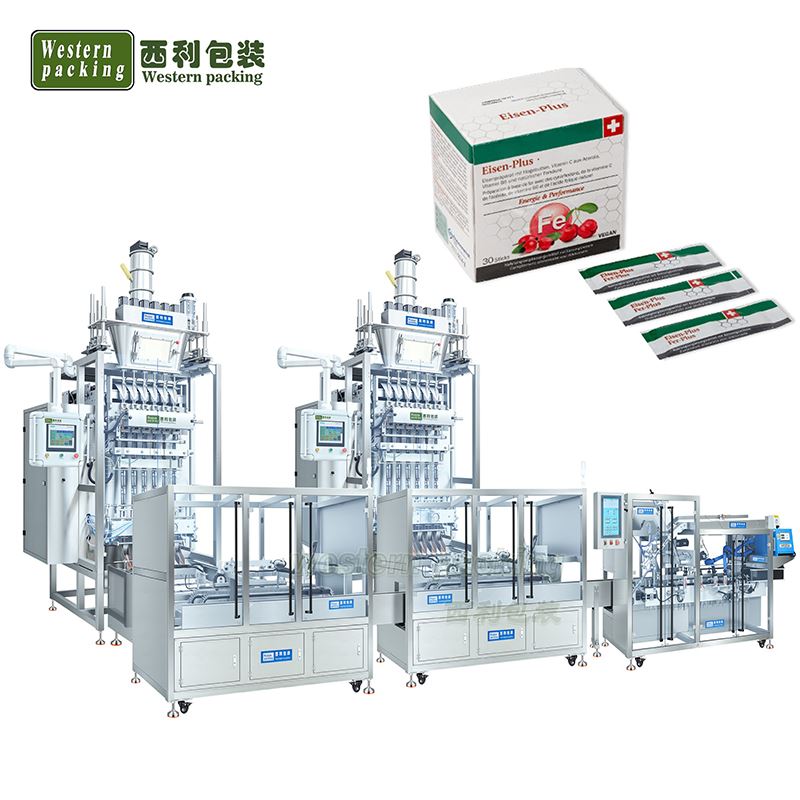
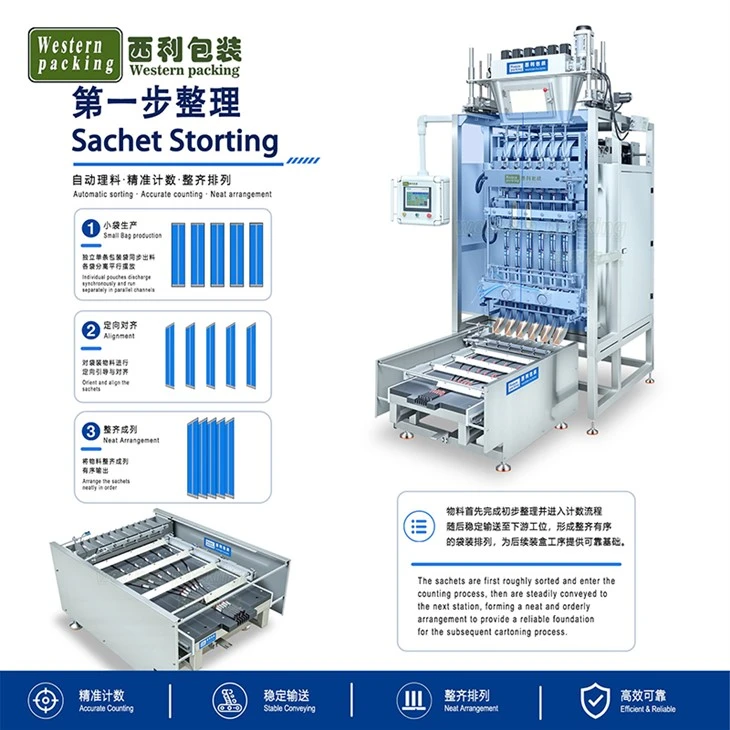
Let’s start with the most foundational style: the single stick sachet carton. This is the bread and butter of what a Stick Sachet Cartoning Machine handles, and for good reason. Single-stick cartons are designed for retail shelves, where each carton holds exactly one stick sachet. They’re perfect for products like single-serve espresso sticks, travel-sized hand sanitizer sachets, or individual-dose vitamin C packets. The machine feeds the stick sachets from a rolling feed that pulls them off the production line, straightens any that might be misaligned, picks up a pre-glued flat carton blank from a magazine, folds it into a half-open tube, inserts the sachet, seals the ends, and often prints variable data—like expiration dates or batch numbers—on the spot. Many brands prefer this style because it’s lightweight, cost-effective for small runs, and fits easily in pocket-sized dispensers or small retail displays. What’s more, single-stick cartons can be customized with minimal tooling changes, making them ideal for brands that want to test new flavors or products without investing in entirely new machinery. For larger scale operations, there are high-speed models built to handle up to 300 cartons per minute, and these often overlap with the capabilities of a High Speed Cartoning Machine, though they’re optimized specifically for the thin, slender shape of stick sachets rather than larger or irregularly shaped cartons.
Next up: multi-stick cartons. These are the cartons that hold anywhere from 2 to 50 stick sachets, depending on the product. Think of a box of 10 instant coffee sticks, a box of 20 tea sachets, or a family-sized pack of liquid collagen doses. Designing these requires a bit more precision than single-stick cartons, because the machine has to handle multiple sachets at once without damaging them. The Stick Sachet Cartoning Machine that produces multi-stick cartons uses a grouped feed system: instead of pulling individual sachets, it pulls a pre-defined number of sachets, lines them up side-by-side or in a row, and then inserts them into a larger carton blank. A common variation here is the “book-style” carton, which opens like a book and lets consumers see all the sachets inside, a popular choice for tea brands or protein powder mixes that want to showcase their product. Another style is the tuck-end multi-stick carton, which is simpler to produce and has less moving parts, making it a better fit for high-volume, low-margin products. A lot of our clients transition from single-stick to multi-stick packaging as their brand grows, and the beauty of a well-designed Stick Sachet Cartoning Machine is that many can be adjusted to switch between single and multi-stick configurations with just a few quick tool changes, no need to purchase an entirely new unit.
Now, a style that’s often misunderstood: the display-ready carton. For brands that sell products in grocery stores or big-box retailers, display-ready cartons (DRCs) are non-negotiable. These cartons are designed to stand up on their own on retail shelves, often with a pre-scored tear strip that lets employees easily open the shipping case without taking apart individual cartons, and sometimes even with a built-in hanging tab. The Stick Sachet Cartoning Machine that produces display-ready cartons has specialized features: it can add pre-folded bottom flaps that eliminate the need for extra tape, it can print clear branding on the front of the carton for shelf visibility, and it can even handle perforations for easy opening. We work with a lot of snack and supplement brands that launch new products in display-ready cartons because they reduce labor costs for retailers, which makes retailers more likely to stock the product. It’s worth noting that display-ready cartons can be adapted for both single and multi-stick configurations, depending on the product. For example, a brand of individual hot cocoa sticks might use a single-stick display-ready carton that fits on impulse buy shelves, while a brand of 10-pack tea might use a multi-stick DRC that sits on the main tea aisle.
Another key packaging style is the shrink-wrapped bundle of stick sachets. While cartons are the most common, some brands prefer to skip the rigid carton and use a thin plastic shrink wrap to group 5, 10, or 20 stick sachets together. This is a popular option for bulk purchases, like a gym membership selling a bundle of 30 protein powder sticks, or a office supplies store selling a bundle of coffee sticks for the break room. The machine that produces shrink-wrapped bundles works in tandem with the Stick Sachet Cartoning Machine, often feeding the grouped sachets into a plastic film sleeve, sealing the edges, and then running the bundle through a heat tunnel that shrinks the film tightly around the group. Shrink-wrapped bundles are cheaper than cartons, more flexible, and easier to stack in bulk, which is why they’re popular for B2B sales or promotions. That said, they don’t offer the same branding or protection as a rigid carton, so they’re best suited for products that don’t need to stand out on retail shelves or be stored long-term.
We also support speciality packaging styles for niche products, and this is where the versatility of a quality Stick Sachet Cartoning Machine really shines. For example, pre-opened cartons, which have a tear strip already applied so the end consumer doesn’t have to struggle to open a sealed carton, a common feature for pediatric or senior-focused products. We also make machines that handle tamper-evident cartons, which have a sealed flap that must be broken to open, a requirement for many food and pharmaceutical products to comply with safety regulations. For brands that sell in global markets, we offer machines that can handle a wide range of carton sizes, from mini cartons that hold 1 single-serve sachet to large, stackable cartons that hold up to 50, and can print in multiple languages for different regions. One of our recent clients is a European honey brand that uses a speciality carton with a see-through window, so consumers can see the golden sachets inside, and the Stick Sachet Cartoning Machine we customized for them was able to integrate the window cutting directly into the carton folding process, eliminating the need for a separate step.
It’s important to note that while all these packaging styles are supported by a Stick Sachet Cartoning Machine, not every machine can handle every style. That’s why it’s critical to work with a supplier who understands both your product needs and your production goals. For example, if you’re a small craft brand producing 500 coffee sticks a day, a semi-automatic machine might be enough, and it can handle single-stick cartons and small multi-stick packs. If you’re a large FMCG brand producing 50,000 tea sachets an hour, you’ll need a fully automatic machine that integrates with a High Speed Cartoning Machine system to keep up with demand. We also offer customization options for clients with very specific needs, like machines that can handle irregularly shaped stick sachets, or machines that can insert promotional flyers or sample products along with the sachets in the carton.
A common misconception I hear from new brands is that Stick Sachet Cartoning Machines are only for large operations. That’s simply not true. We offer a range of machines, from compact models that fit in small spaces for startup brands to fully integrated lines for major manufacturers, all of which can be adjusted to support the packaging styles you need. The key is to map out your current and future needs: are you launching a single product in single-stick cartons now, but planning to expand to multi-stick packs next year? Do you need display-ready cartons for retail, or will your products be sold mostly online? Answering those questions will help you choose a machine that grows with your brand, rather than one that becomes obsolete in a year or two.
If you’re looking for equipment that can support any of these packaging styles—whether you need to pack single-stick retail cartons, multi-stick bulk packs, display-ready cartons, shrink-wrapped bundles, or speciality formats—we’re here to help. Our team has worked with hundreds of brands across industries, from food and beverage to pharmaceuticals and personal care, to find the right cartoning solution for their specific needs. For more details on our machinery, be sure to check out the Automatic Stick Bag Cartoning Machine page on our site, or learn more about the full range of Stick Sachet Cartoning Machine options we offer. We also provide resources on how to upgrade your production line to support new packaging styles, whether you’re a small startup just getting started or a large brand looking to increase efficiency.
If you’re ready to explore how a Stick Sachet Cartoning Machine can transform your packaging process and support your unique packaging needs, don’t hesitate to reach out for a consultation. We’d love to learn more about your brand, your products, and your goals, and help you find the perfect equipment to take your business to the next level.
References:
- Cartoning Machinery: Design, Operation, and Applications in FMCG Production (2022)
- Single-Use Packaging: Global Market Trends and Equipment Requirements (2023)
- High-Speed Cartoning: Best Practices for Stick Sachet Handling (2021)
- Display-Ready Packaging: Benefits for Retailers and Brands (2022)