

Hey there, if you’re a factory owner or operations manager thinking about adding a high-speed cartoning machine to your line, you’re probably not just here to browse specs—you’re here to make sure you don’t waste time, money, or headache on a bad install. I’ve been working with these machines for over 10 years as a supplier, and I’ve seen way too many projects derail because the team skipped a key step or forgot a requirement. Today, I’m breaking down exactly what you need to nail the installation, no jargon, no fluff—just real-world stuff that actually works.
First off, let’s get one thing straight: a high-speed cartoner (that’s what we often call them around the shop, instead of the full “cartoning machine”) isn’t a desktop printer you can plop anywhere. It needs specific space, power, and even floor prep to run smoothly at speeds that might hit 300+ cartons a minute. If you mess any of this up, you’ll end up with constant jams, downtime, or worse—safety issues for your team. Let’s start with the basics that most people overlook first: physical space and floor conditions.
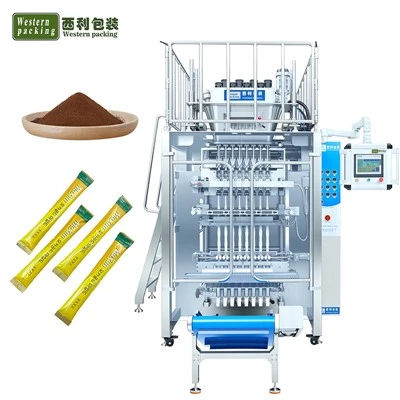
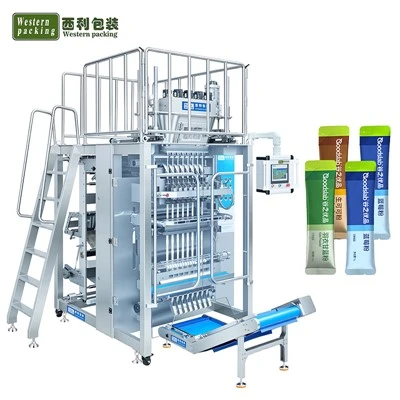
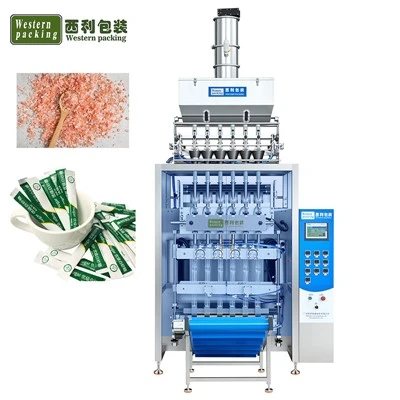
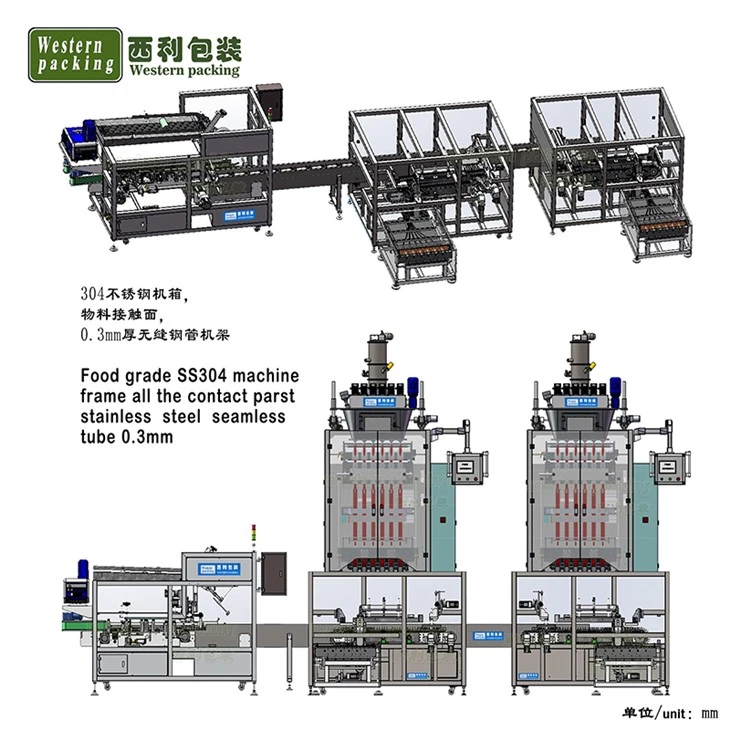
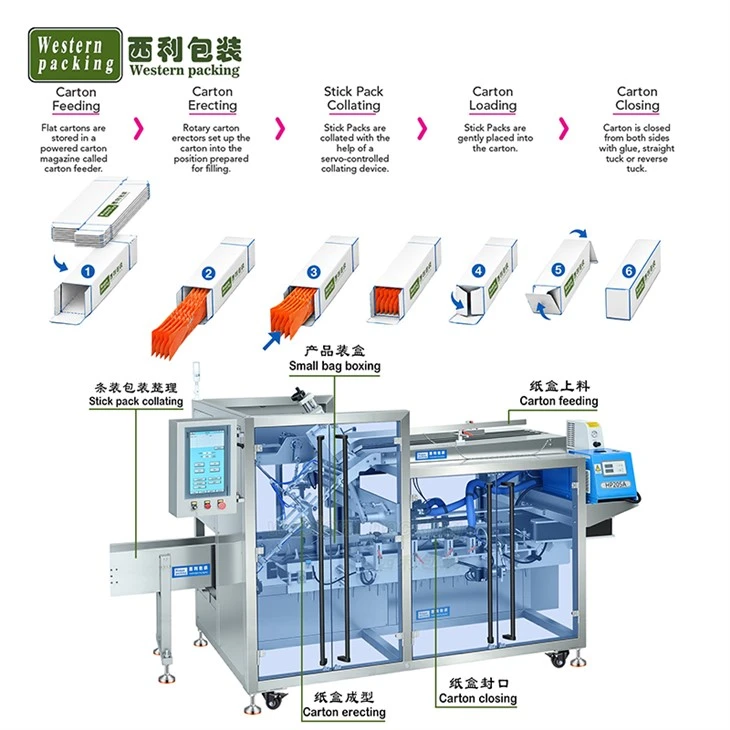
Space might sound simple, but I can’t tell you how many times a customer has ordered a machine, then called us panicking because their production floor was too tight. High-speed cartoning machines aren’t tiny—they range from 10 to 25 feet long, depending on what you’re cartoning. For example, a machine handling stick bags for snacks or powders (that’s the Stick Bag Cartoning Machine type) needs a bit more room at the infeed side for the individual stick pouches to feed in without crossing paths. Same goes for Sachet Cartoning Machine units—if you don’t leave enough space for the operator to load carton blanks or refill adhesive, you’ll have bottlenecks on every shift.
Don’t forget about clearance around the machine either. OSHA guidelines (and common sense) require 3 feet of space on all sides for maintenance, emergency stops, and cleaning. I’ve had a customer try to cram a Cosmetic Cartoning Machine into a spot that only had 1.5 feet on the back—when a gear seized up, their tech couldn’t get the tool in to fix it, so they were down for 2 days instead of 2 hours. That’s a huge loss when you’re running on tight deadlines. And if you plan to integrate it with other equipment (like your filling machine or case packer), add extra space between lines for conveyors—usually 4 to 6 feet, depending on the speed matching.
Next, floor conditions. This is non-negotiable. High-speed cartoning machines are heavy—like 5,000 to 10,000 pounds heavy, depending on the model. So your floor can’t be a flimsy mezzanine or a recently poured concrete slab that hasn’t cured fully. We always recommend checking the floor load capacity first: industrial floors need to handle at least 2,000 pounds per square foot (PSF) for these machines. If your floor is only rated for 1,500 PSF, you’ll need to add support beams or a foundation pad—skipping that will make the machine shift slightly when it’s running at full speed, leading to constant carton misfeeds.
Also, the floor needs to be level within 1/8 inch over 10 feet. Most modern machines have self-leveling feet, but they can only compensate so much. If the floor is off by a quarter inch, the machine’s sensors (which are super precise at high speeds) will throw error codes left and right. We always suggest having your maintenance team use a laser level to check before delivery—don’t wait until the install day to realize this, because you’ll have to push back the delivery and waste money on rush labor.
Now, power and utilities. This is where people make really costly mistakes. High-speed cartoning machines run on electricity, but not regular shop power. Most of these units need 3-phase power, 480 volts, and a minimum of 50 amps. If you only have single-phase power in your facility, you’ll need a phase converter (and a good one—cheap ones will cause voltage drops that fry the machine’s motors). I’ve seen a small snack factory try to run a Pouch Cartoning Machine on their existing 110V single-phase line; within an hour, the servo motor burned out, costing them $3,000 in parts and downtime.
Then there’s compressed air. Almost all high-speed cartoners use air for functions like opening carton flaps, picking up cartons, and applying adhesive. You need a dedicated air line that delivers 90 PSI and at least 10 CFM (cubic feet per minute) of air. No sharing the line with your paint booth or other equipment—if you do, when another team uses air, the pressure will drop, leading to failed carton openings and jams. We always tell customers to install a dryer and filter on the air line too—moisture in the air will gum up the valves, which is a pain to fix mid-run.
Adhesive is another utility point. Most modern machines use hot melt adhesive, so you need a power source for the hot melt unit (usually 120V, separate from the main machine) and a way to dispose of excess adhesive. Don’t use cheap off-brand adhesive either—we’ve seen customers buy generic glue because it was cheaper, only to have it dry too fast or not hold, leading to lost cartons and wasted product. Stick to the adhesive we recommend, or test it first with a small sample.
Now, connectivity and automation. A lot of factories want their high-speed cartoning machines to talk to their existing line control system—like their ERP or MES software to track production counts, monitor downtime, or adjust speeds remotely. That means you need an Ethernet connection (wired, not Wi-Fi, for reliability) near the machine, plus open ports for communication protocols like Modbus or Profinet. If you skip this, you’ll end up manually counting cartons, which is error-prone and kills efficiency at high speeds.
Also, if you’re adding the machine to a fully automated line, make sure your infeed (from fillers, sealers, etc.) and outfeed (to case packers, palletizers) are aligned in speed. For example, if your filler runs at 250 products a minute, your Cartonator Packing Machine needs to keep up—if not, you’ll have backlogs or empty cartons. We can help with line integration planning, but you need to tell us your line specs early so we don’t build a machine that doesn’t match your flow.
Safety is huge here, and it’s not just a box to check for OSHA. High-speed machines have moving parts that can injure someone if not set up right. So before install, you need to have safety guards installed around all moving components, emergency stop buttons within easy reach, and light curtains (those invisible beams that stop the machine if someone reaches in) at the infeed and outfeed. Also, make sure your team is trained on lockout/tagout procedures before they operate the machine—we offer free training sessions, but you need to schedule that in advance, not after delivery.
Wait, let’s not forget about site prep before the machine arrives. You can’t have the floor being installed or other construction happening the day the machine is scheduled to be delivered. We always provide a site prep checklist 2 weeks before delivery, and we will not schedule install if the site isn’t ready. This includes making sure the area is clean (no leftover scrap, pallets, or tools lying around), power and air lines are hooked up and tested, and the machine’s space is cleared. If you delay install because of poor prep, you’re paying for our techs to sit around, which adds to your costs.
Another thing: access for parts and supplies. The machine needs a spot nearby to store carton blanks, adhesive sticks, and replacement parts. If you have to carry cartons 50 feet every time you refill, that’s going to slow down your shifts. We suggest a staging area within 10 feet of the infeed side—usually a pallet jack spot is enough. Also, make sure you have easy access to replacement parts, so if a gear or sensor breaks, you don’t have to wait 3 days for a shipment.
I’ve seen one too many factories skip these steps and end up with a machine that’s underperforming, costing them thousands in downtime. When you work with a supplier that knows their stuff (like us), we walk you through every step of installation, from site prep to training. The key is to plan ahead, not rush into it. If you’re ready to add a high-speed cartoning machine to your line, or you have questions about the specific requirements for a Sachet Cartoning Machine, Cosmetic Cartoning Machine, Stick Bag Cartoning Machine, Pouch Cartoning Machine, or Cartonator Packing Machine, don’t hesitate to reach out. We’ll help you make sure your install goes smooth, no surprises.
Wait, let me wrap this up with a quick recap to make sure I didn’t miss anything. Physical space (enough room for machine, clearance, line integration), level, heavy-duty floor, 3-phase power, dedicated compressed air, proper connectivity, safety features, site prep before delivery, and access for supplies and parts. If you check all these boxes, your machine will run like a dream at full speed, with minimal downtime. If you skip even one, you’re setting yourself up for headaches.
Don’t wait until delivery day to realize you’re not ready—plan now, and you’ll be up and running in no time. If you’re ready to get started or need more details on any of these requirements, hit us up. We’re here to help you make your cartoning process as efficient as possible.
References:
- Occupational Safety and Health Administration (OSHA). Machine Guarding Requirements for Packaging Machinery. U.S. Department of Labor, 2023.
- Packaging Machinery Association (PMA). Installation Standards for High-Speed Cartoning Equipment. PMA Technical Report, 2022.
- International Electrotechnical Commission (IEC). Electrical Safety Requirements for Industrial Machinery. IEC Standard 60204-1, 2021.