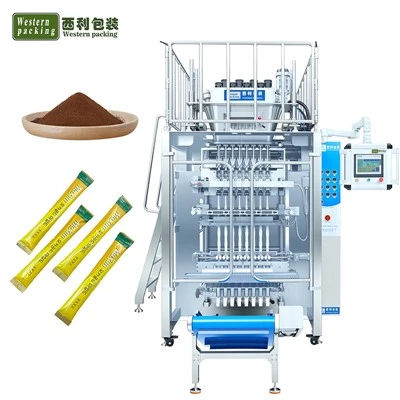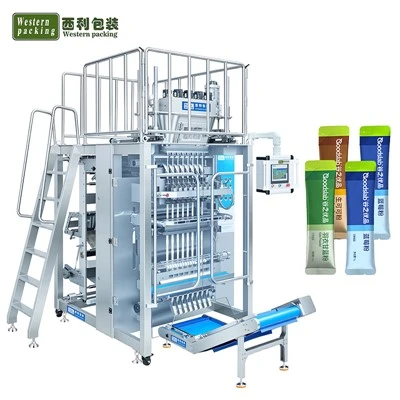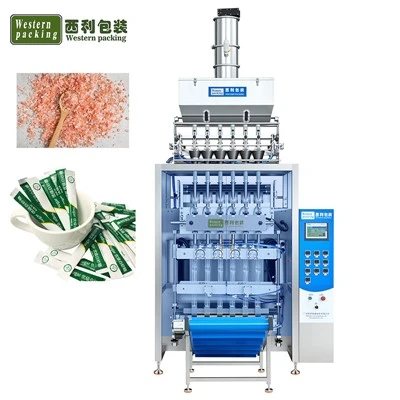


Hey there, if you’re running a packaging operation that deals with stick bags, sachets, or pouches, you’ve probably stared at a cartoner line at 2 a.m. when a batch of misaligned pouches jams the whole system and thought, “Wait, how do these machines even get them in the right spot every time?” As someone who’s been supplying pouch cartoning machines for over a decade now, I’ve fielded this question from everyone from startup brand owners to big-name pharma teams, and honestly? It’s way less magic and way more precise engineering that’s built to fix the tiny, messy problems that come with flexible packaging. Let’s break this down like we chat in our warehouse—no jargon overload, just the real stuff that keeps lines running.
First off, let’s be clear: when I talk about pouches here, I’m including the small, flat stick bags you grab for coffee creamer or protein powder, the sachets for skincare samples or single-use meds, and even the bigger stand-up pouches for snacks. All of these have super thin, flexible material that stretches, shifts, or gets off-kilter if the machine isn’t paying hyper-close attention. That’s why the core of any good pouch alignment control is all about sensor tech and mechanical parts working in perfect sync—no manual adjusting needed, even when you’re switching between pouch sizes on the fly.
Let’s start at the very beginning of the line, because alignment starts way before the pouch even touches a carton. When pouches come off the filling and sealing machine, they’re usually coming down a conveyor belt in single file or small groups, right? If they’re even a tiny bit rotated, tilted, or off-center when they get to the cartoner, that’s a problem. That’s where the first alignment step happens: our machines use high-resolution photoeye sensors that track each pouch’s edges in real time. These sensors work 24/7, counting each millisecond gap between pouches and flagging if one’s shifted. Wait, but what if a pouch is sideways or rotated? We have small, motorized guide rails that adjust dynamically—like little moving shoulders that nudge the pouch back to the centerline as it moves. For example, if you’re running our Automatic Stick Bag Cartoning Machine, these guide rails can adjust their width in less than a second if a sensor detects a stick bag that’s slightly warped from the sealing process. No more stopping the line to tweak settings; that’s a huge time-saver when you’re doing 100+ pouches a minute.
Next up, once the pouches are aligned on the infeed, they get grouped in the right quantity before going into a carton. That’s another make-or-break step because if the group is off, every pouch in that batch will be misaligned when it hits the carton flaps. This is where things get even more specific. Some lower-end cartoners use just a mechanical stop to group pouches, but that works for rigid products—flexible pouches? Not so much, because they can crumple or shift when they hit a hard stop. Our line uses precision pusher fingers that work in tandem with those photoeye sensors. The sensors count the pouches as they pass, and when they reach the set quantity (say, 10 coffee creamer stick bags), the pusher moves exactly that number forward at a consistent speed, pushing them into a group that’s perfectly aligned side-by-side and end-to-end. For our Stick Counting Cartoning Machine, this part is especially tight because counting off-by-one or off-by-position means you’re either underfilling or overfilling cartons—so the sensors here have a 0.1mm accuracy for pouch spacing.
Now, the part everyone really cares about: how do we get that perfectly aligned group of pouches into the carton without messing it up? The carton forming part of the line is already moving at speed, so the pouch group has to meet the carton at exactly the right time and right position. This is where servo motors come in—those are the workhorses of modern packaging machines. Unlike old hydraulic systems that were clunky and slow, servo motors adjust speed and position in microseconds. Let’s say a carton is moving along the line, and the pouch group is ready to push. The servo that controls the pusher adjusts its speed so that it matches the carton’s speed exactly, so the pouch group slides straight into the carton’s open mouth, no smacking, no tilting. But wait, what if the carton is slightly misaligned itself? We also have sensors that check the carton’s position as it comes off the forming station, and they send a signal to the carton guide rails to adjust left or right by a tiny amount—so even if the carton is off, the pouch group still lines up perfectly.
I should also call out the different types of pouches here, because alignment challenges change a lot depending on what you’re running. Sachets, for example, are extra thin and prone to static cling, which makes them stick together instead of staying separated. That’s why our Sachet Cartoning Machine has ionizing bars along the infeed line—they cut static charge, so each sachet moves separately, no double-feeds that mess up alignment. Our team worked on this a few years back when a skincare brand was getting 10% jams because their sample sachets were sticking; adding the ionizing bars fixed that overnight. For stand-up pouches that are a bit sturdier, we use a different group pusher that’s a bit more rigid, but still has soft rubber tips so it doesn’t crease the pouch when pushing into the carton.
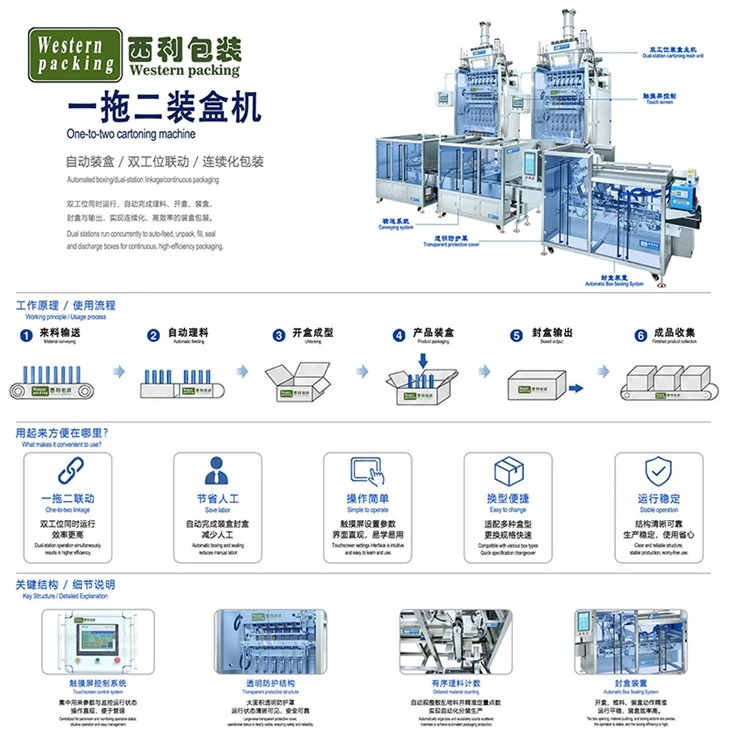
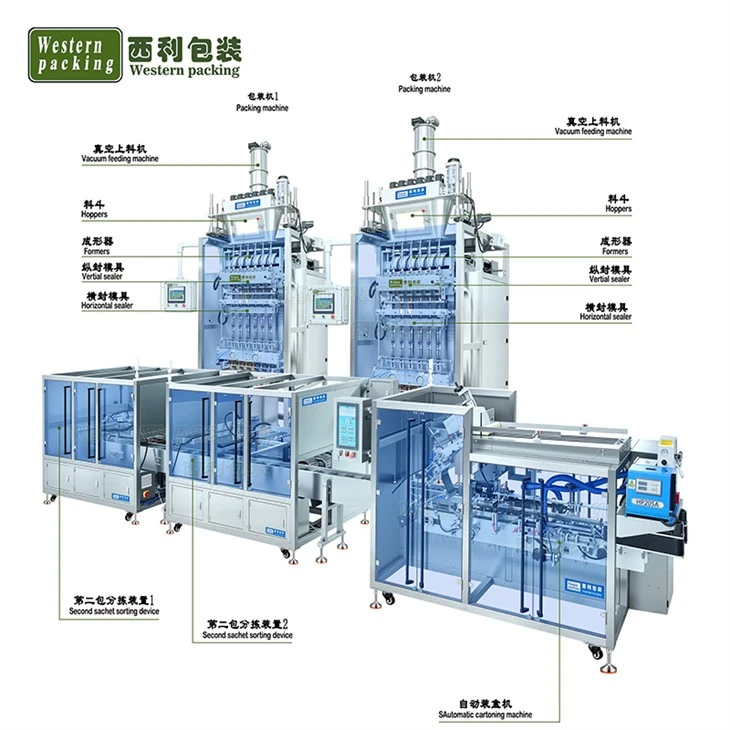
Another thing that a lot of people don’t realize: alignment control isn’t just about the parts that touch the pouches. It’s also about the machine’s programming and how easy it is to switch between pouch sizes. If you’ve ever had to take a whole day to change settings for a new pouch size, you know how frustrating that is. Our machines store custom profiles for every pouch type—so if you switch from 5g creamer stick bags to 10g protein stick bags, you just pull up the profile on the touchscreen, and the guide rails, pusher speed, and sensor thresholds all adjust automatically. That’s why our Stick Bag Cartoning Machine is such a workhorse for brands that run multiple SKUs; you can switch between them in 10 minutes, tops, with zero alignment issues.
We also do regular maintenance checks on these alignment systems, because even the best parts can wear out over time. A common issue we see is dirty sensors—dust or pouch residue can block the photoeyes, so they don’t pick up pouch edges correctly. That’s why we include a quick-clean guide with every machine, and our service team does monthly check-ins for clients who want it. I always tell new clients: if you’re getting consistent jams because of misaligned pouches, 9 times out of 10 it’s a dirty sensor or a guide rail that’s slightly out of alignment, not a major part break. Small, quick fixes, not big expensive repairs.
Wait, let’s talk about a real example to make this concrete. A few months back, a local tea brand came to us with a problem. They were running small paper sachets for their single-serve tea bags, and 15% of their cartons were coming out with one sachet tilted or pushed in wrong. They were using an older cartoner that had static issues and basic sensors. We retrofitted their line with a new sachet infeed with ionizing bars, upgraded the photoeye sensors, and adjusted the group pusher timing. Within a week, their misalignment rate dropped to less than 0.5%—and their line speed went up by 20 units a minute. That’s the difference good alignment control makes; it’s not just about getting the pouches in the carton, it’s about reducing waste and keeping production on schedule.
Now, I should be honest and say no machine is perfect—if a pouch is severely warped or crumpled before it even gets to the cartoner, there’s only so much the machine can do. That’s why we always tell clients to make sure their pouch sealing process is consistent; a lopsided seal is going to cause alignment issues no matter how good the cartoner is. But once the pouch is within normal spec, our machines will handle the rest, every single time.
So putting it all together: pouch alignment in a cartoning machine is a combination of precise sensor tech, dynamic mechanical adjustment, servo-controlled movement, and smart programming that adapts to different pouches and cartons. It’s not some secret science—It’s parts working in sync to fix the tiny, variable issues that come with flexible packaging.
If you’re dealing with pouch alignment issues on your line, or you’re looking to upgrade to a more reliable cartoning machine, we’ve got options tailored to your needs. Whether you need a compact Sachet Cartoner for small batches or a high-speed Stick Counting Cartoning Machine for big production runs, our team can help you find the right fit to keep your line running smoothly and cut down on jams. Hit us up to chat through your requirements—no sales pitch, just straight talk about what will work for your packaging operation.
References
- Packaging Machinery Association. (2022). Flexible Packaging Alignment Standards for Cartoning Operations. Retrieved from industry trade publications on packaging machinery design and performance.
- Modern Packaging Magazine. (2023). Servo-Driven Cartoning Systems: Precision for Flexible Packaging. Technical deep dive into alignment control for thin-walled pouches and stick bags.
- "Design and Operation of Pouch Cartoning Equipment" (2021). Handbook for Packaging Line Integration, covering sensor technology and dynamic adjustment mechanisms for sachets and stick packaging.