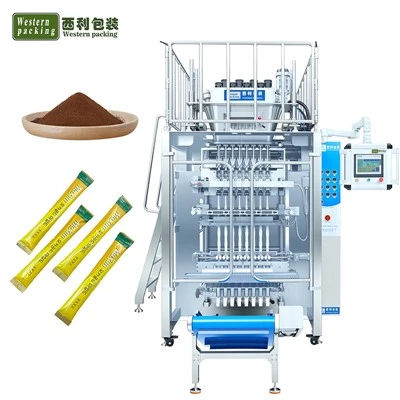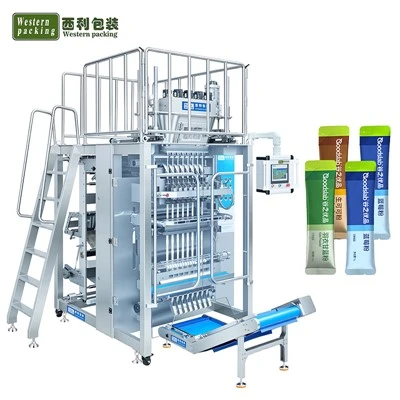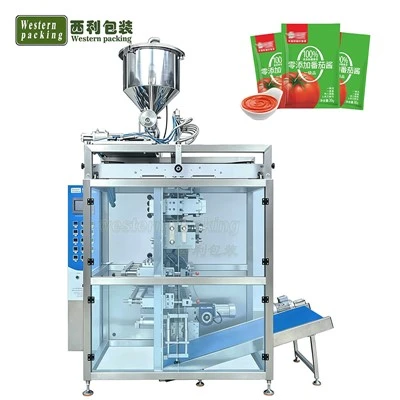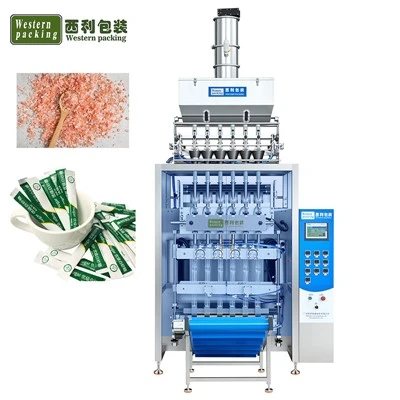


If you’ve spent time in packaging supply or production, you’ve likely heard both “pouch” and “cartoning” thrown around like opposing terms—two different packaging formats that serve distinct product types. But as a pouch cartoning machine supplier who’s spent years troubleshooting and upgrading equipment for beverage brands, I get asked this question all the time: Can a pouch cartoning machine actually be used for beverage product packaging? The short answer is yes, though it takes a deep dive into how these machines work, their flexibility, and the specific needs of beverage products to understand why this is a game-changing shift for many small to mid-sized beverage brands.
Let’s start by breaking down the basics to cut through the industry jargon. A Pouch Cartoning Machine is designed to take pre-formed pouches (the flexible, sealed bags most commonly used for single-serve snacks, powders, or liquids) and insert them into rigid or semi-rigid cartons—think the cardboard boxes that hold individual coffee pods or snack bars. Traditional cartoning machines were built for rigid, pre-made products like bottles, cans, or blister packs, but advances in machinery design have blurred those lines.
Historically, beverage packaging relied almost exclusively on rigid containers: glass bottles, aluminum cans, or plastic jugs. These formats have their place—big brands with high-volume lines still swear by them for shelf stability and brand visibility. But smaller brands, craft beverage makers, and brands focused on convenience have been shifting to flexible pouches for everything from cold-pressed juices and iced teas to plant-based milks and functional hydration drinks. Pouches are lighter than rigid containers, reduce shipping costs by up to 50%, and take up less shelf space, making them ideal for single-serve drinks or multi-serve family packs.
The problem? Pouches don’t always stand up well on store shelves, and they can be tricky to display in coolers. That’s where cartoning comes in. Putting a beverage pouch into a carton adds structural integrity, makes the product easier to stack, and lets brands add marketing messaging on all sides of their packaging (something pouches don’t always have room for). But here’s the thing: not all cartoning machines can handle flexible pouches. That’s why specialized equipment like a Sachet Cartoner (a close relative of the pouch cartoning machine, often used for even smaller, thinner pouches like single-serve sugar packets or energy gels) exists.
Let’s get specific about how the technology works, because that’s where the myth that pouches can’t be run on cartoning machines comes from. Most people assume pouches are too flimsy or irregularly shaped to be fed, oriented, and inserted into cartons automatically. But modern pouch cartoning machines solve this with a few key features. First, they use vacuum pick-and-place systems that grip the top edge of the pouch without puncturing it, a gentle approach that works for both sealed liquid pouches and dry pouches. Second, they include product-specific orientation sensors: for a beverage, this might mean making sure the spout of the pouch is aligned facing the top of the carton (so consumers can open it easily). Third, they can adjust to different pouch sizes in minutes, which is perfect for beverage brands that offer a range of sizes—from 8-oz single-serve pouches to 64-oz family-size ones.
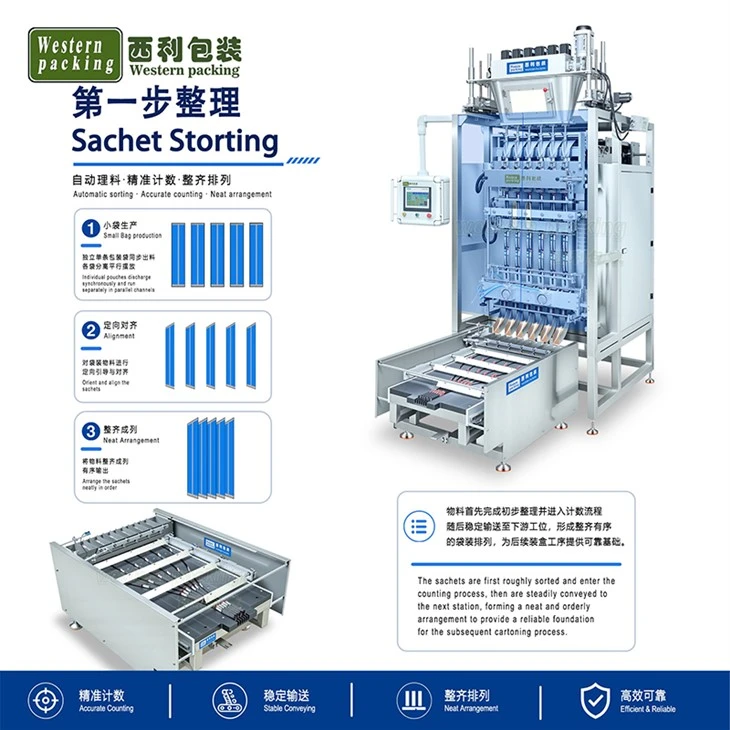
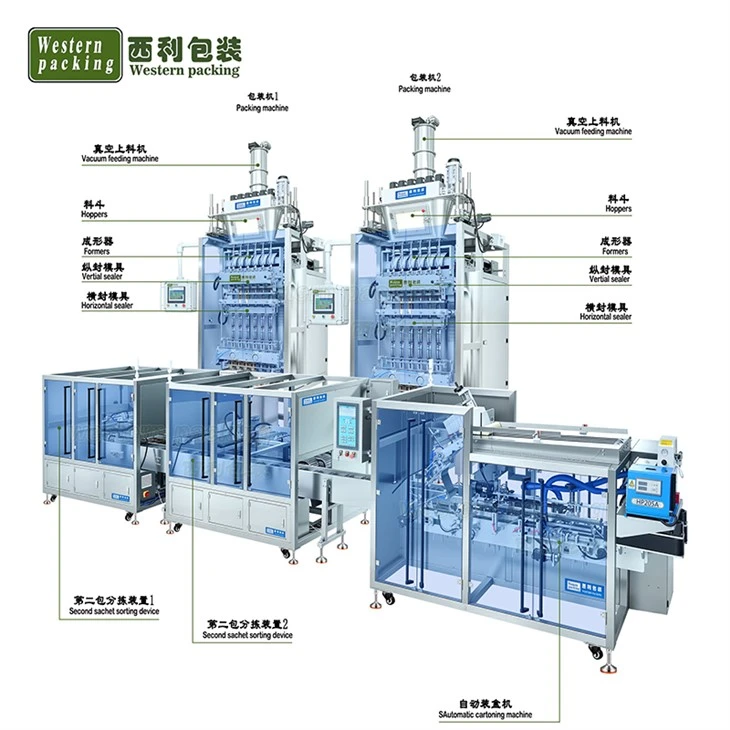
I’ll be honest, though—early versions of pouch cartoning machines had limitations, especially for beverages. The biggest pain point was handling filled liquid pouches, which are softer and more likely to shift during transport. Back in 2018, we had a craft cold-pressed juice brand come to us with a problem: their first pouch cartoning machine would crush 10-15% of their filled pouches before they even made it into the carton. The issue was that the machine’s conveyor system didn’t have gentle handling zones for filled, flexible products. We upgraded their machine to include cushioning conveyor belts and adjustable vacuum levels that adapt to the weight of the pouch (heavier filled pouches get a firmer grip, lighter empty test pouches get a softer one). After that upgrade, their failure rate dropped to less than 1%, which is standard for high-speed cartoning operations.
That case study is a big part of why I know this technology works for beverages, but let’s talk about the numbers to back it up. The global flexible beverage packaging market is projected to hit $45 billion by 2027, per the Flexible Packaging Association, and a growing share of that is pouch-based products being cartoned for retail. A 2023 report from Packaging Digest found that 62% of craft beverage producers now use some form of pouch-and-cartoon packaging, citing lower costs and better shelf appeal as top reasons.
Now, you might be wondering: How does a pouch cartoning machine compare to other packaging options for beverages? Let’s weigh the pros and cons, because it’s not the right fit for every brand. On the plus side, pouch cartoning lines use less material than rigid plastic bottles—per unit, a pouch and carton uses 30% less plastic than a single-serve plastic bottle, which is a huge selling point for eco-conscious consumers. They also run at speeds that rival traditional rigid container lines: a High Speed Cartoning Machine (like the ones we manufacture for large snack brands) can run up to 400 cartons per minute, which is more than enough for most beverage brands, even mid-sized ones. For single-serve beverage brands, that speed means you can keep up with retail demand without investing in multiple lines.
Another pro: flexibility. A brand that makes cold-brew coffee one month and herbal iced tea the next doesn’t have to swap out their entire packaging line. We’ve had a client that uses the same pouch cartoning line for both their protein shake pouches and their electrolyte drink pouches—just change the pouch holders and adjust the orientation settings, and they’re ready to go. That’s where the Stick Counting Cartoning Machine differs, by the way—it’s designed for individual stick packs (thinner, smaller sachets) and is built for counting, not handling larger filled pouches for beverages.
The con, though, is that pouch cartoning machines do require careful setup for beverage products. Filled liquid pouches are heavier and more prone to leaking if the seal isn’t perfect, so the machine has to include leak detection sensors that catch damaged pouches before they enter the carton. We’ve also found that some beverage brands underestimate the changeover time: if you’re switching between a 8-oz single-serve pouch and a 2-liter family-size pouch, it takes about 15-20 minutes to adjust the machine (longer than switching between rigid bottles, which can take as little as 5 minutes) so you need to factor that into your production schedule. For brands running one product 24/7, that’s a non-issue, but for brands with multiple SKUs, it’s something to plan for.
I want to be clear too: this isn’t a one-size-fits-all solution. If you’re a large brand producing 1 million+ units a month of a single beverage flavor in 12-oz cans, a pouch cartoning machine might not be the most cost-effective choice. But if you’re a craft beverage brand looking to expand, a startup testing the market with single-serve drinks, or a brand that wants to reduce your environmental footprint, a pouch cartoning machine is absolutely worth considering.
Let’s talk about real-world results to make this concrete. Last year, we worked with a small organic juice brand in the Pacific Northwest that was doing 50,000 units a month in glass bottles. They were struggling with shipping costs (glass was breaking, and heavy shipping meant they only stocked their local region) and shelf space (grocery stores were limiting them to 10 shelf feet because of bulky bottles). They invested in our Pouch Cartoning Machine—specifically a model built for flexible filled pouches with leak detection and variable size adjustment. Within six months, their shipping costs dropped by 40%, they expanded to 12 regional states, and their shelf space at major grocery chains increased to 30 shelf feet because the cartons take up less space. They now have a 15% lower production cost per unit than they did with glass bottles, and their sustainability label (using less plastic, fewer materials) has helped them capture 10% more eco-conscious consumers.
Another example: a sports drink startup that sells single-serve pouches for gyms and convenience stores. They initially tried using only pouches, but found that gym-goers would leave half-finished drinks on lockers because the pouch was hard to hold while working out. Adding a carton solved that problem—consumers can grip the carton, and many gyms even stock the carton on shelves, which made the product easier to display. They use a combination of a Sachet Cartoning Machine for their smaller sample-size pouches and our standard pouch cartoning machine for their full-size 16-oz drinks.
Now, let’s address the technical barriers that some people still see as roadblocks. Can a pouch cartoning machine handle hot-filled beverages? Yes, as long as it’s built with heat-resistant conveyor belts and sealed areas that can withstand the 180-200°F temperatures of hot-filled juice or tea. Our machines include stainless steel construction for all parts that come into contact with the pouches, which is essential for food safety and heat resistance. Can it handle carbonated beverages? Absolutely—with modified vacuum systems that don’t agitate the liquid and cause fizz to escape, which is critical for carbonated drinks that rely on pressure to stay fresh.
I’ve been in this industry for 12 years, and the biggest shift I’ve seen is that brands are no longer tied to what they’ve always used because “it’s how we’ve always done it.” Pouches and cartons were once seen as separate packaging worlds, but advances in machinery have made it possible to combine the best of both: the convenience and sustainability of pouches with the structure and shelf appeal of cartons.
If you’re a beverage producer considering this type of packaging, here are a few key questions to ask yourself before investing in a machine: What size and type of pouch do you use (single-serve vs. family, spout vs. no spout)? How many SKUs do you plan to run? What’s your monthly production volume? These questions will help you determine if a standard pouch cartoning machine, a Sachet Cartoner, or another type of cartoning equipment is the right fit.
At the end of the day, the answer to “Can a pouch cartoning machine be used for beverage product packaging?” is a resounding yes—if you choose the right machine built for flexible, filled, food-safe applications. The technology isn’t new, but the advances in recent years have made it accessible and reliable for all types of beverage brands, from small startups to mid-sized craft producers.
If you’re ready to explore how a pouch cartoning machine could work for your beverage production, or want to learn more about our range of equipment, we’re here to help. Whether you need to compare specs, request a demo, or ask about changeover times and compatibility with your current pouch design, our team can walk you through every step.
References:
- Flexible Packaging Association. (2023). Global Flexible Beverage Packaging Market Report.
- Packaging Digest. (2023). State of Craft Beverage Packaging: Trends in Flexible and Carton Solutions.
- International Society of Beverage Technologists. (2022). Advanced Packaging Equipment for Liquid Food Products.
- Grand View Research. (2024). High Speed Cartoning Machine Market Analysis and Growth Projections.