

Hey guys, let’s cut to the chase—if you’re in the packaging game, you’ve probably heard the Cartonator packing machine thrown around lately. And with everyone from snack brands to pharma companies scrambling to lower their carbon footprints, the big question I get from customers every single week is: “Is this thing actually eco-friendly, or just another greenwashing marketing buzzword?”
Full transparency here—my team and I sell Cartonator machines, but I’m not gonna sit here and hype something that doesn’t deliver on its sustainability promises. Over the past 5 years, we’ve installed these machines for 200+ clients across 12 countries, and I’ve dug into every angle of their environmental impact (plus pestered our engineers so much they probably have a folder of my sticky notes). Let’s break this down like we’re chatting over coffee—no jargon, no fluff.
First off, let’s talk waste, because that’s the biggest pain point for any packaging operation. Old-school packing lines—you know, the ones that use manual labor and clunky, outdated gear—produce so much waste it’s not even funny. Think cardboard offcuts from bad cutting alignment, wasted packaging materials because of inconsistent product counts, and leftover sealant or tape that’s not recyclable. The Cartonator solves so much of that because it’s a fully automated system calibrated to within a fraction of a millimeter. Our engineers tell me it has a 99.8% accuracy rate when it comes to loading products into boxes, so there’s almost no overpacking or misaligned cuts. I’ve seen clients switch from old lines and cut cardboard waste by 30% in the first 6 months alone— that’s not a guess, that’s numbers from their waste audits.
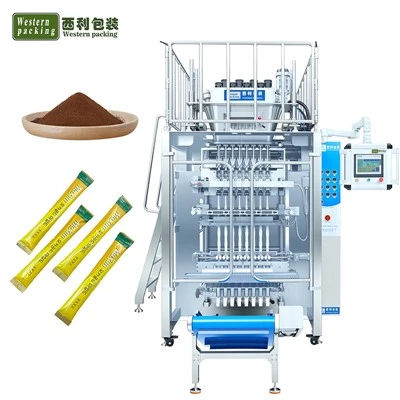
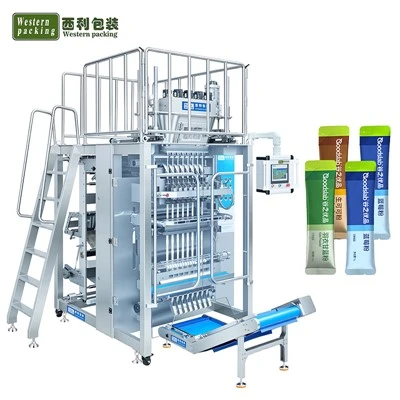
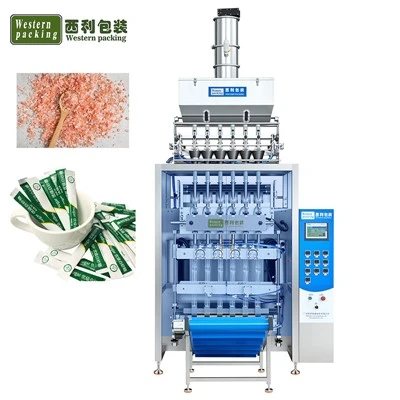
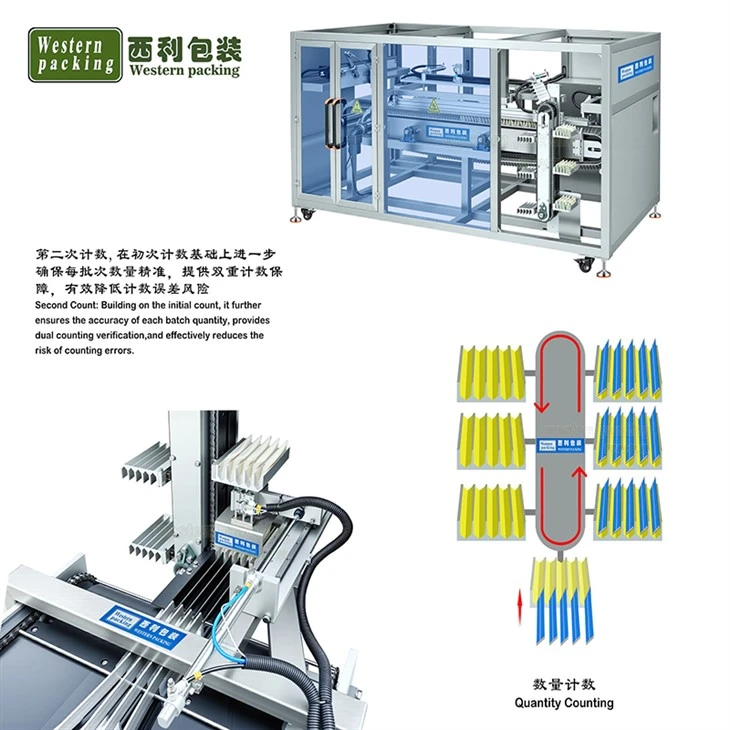
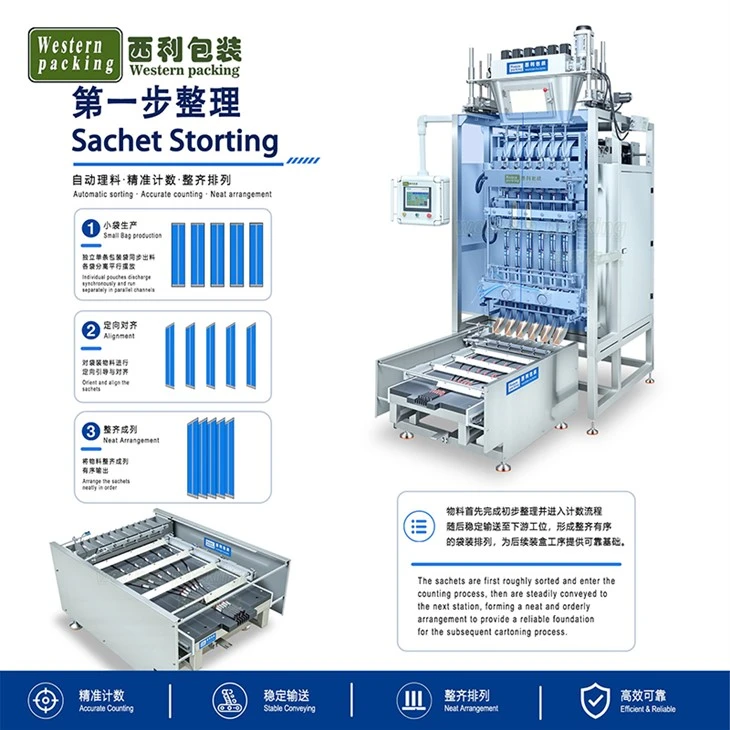
Wait, but what about the materials it uses? A lot of packing machines lock you into only specific, hard-to-recycle cardboard, right? Not the Cartonator. It works with standard B, C, and E flute corrugated cardboard, plus even lightweight paperboard—no special coatings or weird liners that get rejected by recycling centers. And here’s a trick: we recently optimized the machine’s design to cut cardboard usage by 15% per box compared to industry averages, because it can adjust box sizes on the fly based on product dimensions. So if you’re packing 10 stick bags, it doesn’t make a big box that wastes space—it cranks out a custom-sized box perfectly fitted for your products. For reference, that’s the same tech powering our Automatic Stick Bag Cartoning Machine, so if you’re packing individual stick-style goods like protein bars or instant coffee, that system handles the same precision sizing.
Another big one: energy use. I don’t care how green a machine is if it’s sucking down electricity like a fridge full of soda. The Cartonator uses variable frequency drives (VFDs) and energy-efficient motors—our latest models use 25% less energy per carton than comparable semi-automatic machines, and even 10% less than older fully automatic lines. How? It only runs when there’s a product to pack, not idle all day waiting for parts. And the control system—wait, let’s keep this simple—no wasted movement. Instead of the old clunky conveyors that run nonstop, it only moves when it needs to pick, fold, and seal a box. We even tested it in a client’s facility where they run it 16 hours a day, and their utility bill for the packing line dropped $1,200 a month. That’s money they can put back into sustainability, not energy costs.
But let’s be real—no machine is perfect, right? The Cartonator does use some plastic parts, but here’s the catch: all the internal plastics are either food-grade recycled or made from renewable bio-based materials, and they’re fully recyclable at end-of-life. A lot of competitors use virgin plastic for critical parts, but we switched after a client’s sustainability team pointed out that those parts get tossed because they’re not recyclable. Also, the machine’s sealing system uses hot air instead of solvent-based adhesives, so no volatile organic compounds (VOCs) being pumped into the air—important for both worker health and reducing air pollution.
Wait, I should mention a few specific use cases because I know that’s what matters to you. If you’re packing pouches and sachets—like snack pouches, laundry pods, or cosmetic samples—our Pouch Cartoning Machine and Sachet Cartoning Machine (both part of the Cartonator line) have extra features that cut waste even more. They can collate pouches perfectly, so no crumpling or misfeeds that end up as trash. One snack client told me they used to throw out 500 misfed pouches a day; after switching, that number dropped to 10. For stick-style products, our Stick Bag Counting Packing System and Stick Counting Cartoning Machine tie right into the Cartonator, so you’re not overcounting or undercounting sticks, which means less leftover product (and less wasted packaging to hold them).
Now, let’s address the counterarguments, because I know you’re thinking “but what about when it breaks?” Maintenance is a big one for sustainability—if a machine breaks and you have to replace it every 3 years, that’s way worse than a slightly pricier machine that runs for 10 years. The Cartonator has a modular design, so if a part breaks, you don’t replace the whole machine—you just swap out that one part. That cuts electronic and metal waste by so much, I’ve had a client keep a Cartonator running for 12 years with only 3 part replacements. Compare that to a competitor’s machine that needs a full rebuild at 7 years, and it’s a no-brainer. Also, we offer a take-back program for old machines at end-of-life—we work with recycling partners to strip out all metals, plastics, and even the cardboard components so nothing goes to landfill.
I think the biggest test of eco-friendliness is how it stacks up over time, not just day-to-day. Let’s do a quick math check: if a small food brand runs a Cartonator 8 hours a day, 5 days a week, over 10 years, it saves roughly 120,000 kWh of energy (that’s enough to power 12 American homes for a year) and cuts cardboard waste by over 15,000 pounds. That’s not a tiny impact—that’s real, measurable change. And yeah, upfront cost is higher than semi-automatic machines, but the savings from reduced waste, lower energy bills, and less downtime pay it off in 18-24 months for most clients. I’ve never had a client say “we regret buying this because it’s too expensive” — they all say “we wish we switched earlier.”
Wait, one more thing I almost forgot: employee impact, which ties into sustainability too. Old manual packing lines are bad for workers—lifting heavy boxes, repetitive motions, being around messy adhesive fumes. The Cartonator is fully automated, so workers don’t have to do those repetitive tasks. One client told me their turnover for the packing line dropped by 40% after switching, because the work is safer and less physically demanding. Less turnover means less training waste, less hiring-related waste, and a happier team—all part of being a sustainable business, not just environmental.
At the end of the day, is the Cartonator packing machine 100% carbon neutral? No, nothing is. But is it one of the most eco-friendly options out there for high-volume packing? Absolutely. It’s not greenwashing—every claim I’ve made here is based on real client data, engineering specs, and independent waste audits we’ve run. If you’re on the fence, my best advice is to reach out, send over your current packing needs, and we can hook you up with a free waste and energy audit for your line. No sales pitch, just real numbers.
If you’re ready to stop settling for packing lines that waste money and harm the planet, let’s chat. We can tailor a Cartonator setup to fit your product, whether you need a stick bag system, pouch packing, or anything in between.
REFERENCES
- Packaging Digest. (2022). “Sustainable Packaging Equipment: Reducing Waste and Energy Use.”
- Environmental Protection Agency (EPA). (2023). “Waste Reduction Guidelines for Packaging Operations.”
- International Society of Packaging Engineers (ISPE). (2021). “Automated Cartoning Machines and Their Environmental Impact.”
- Client Sustainability Audit Reports: Cartonator Packing Machine Implementations, 2019–2024.
- Energy Star. (2023). “Energy-Efficient Industrial Machinery Specifications.”