

When I first started working with carton packing solutions, I’d hear factory managers grumble late into the night about packing lines that ran 18 hours a day just to keep up with order volume. They’d talk about hiring temporary workers during peak seasons, training new hires only to have them quit after a few weeks, and spending more on overtime pay than they did on machine maintenance. As a Cartonator packing machine supplier, I’ve spent years walking alongside these teams—watching their struggles, testing our equipment in their facilities, and crunching the numbers to figure out exactly how our machines change the labor cost equation. It’s not just about “replacing people” with tech; it’s about redefining what labor on a packing line actually means.
To start, let’s ground this in real packing line work. I recently visited a mid-sized pharmaceutical plant that was packing blister packs of allergy medication. Before they brought in a Cartonator, their packing line ran 12 hours a day, six days a week, with four workers stationed at different stations: one feeding cartons, one placing blisters into cartons, one sealing the cartons, and one stacking finished bundles for shipping. Turnover here was 30% a year—standard for manual packing. When I ran the numbers, their annual labor cost for this single line was roughly $187,000, including wages, benefits, training, and overtime to cover gaps when workers called out sick.
After installing a Cartonator, that same line now only needs two full-time workers. One monitors the machine (loading bulk carton blanks, refilling parts if needed) and the other handles quality checks at the end. The line still runs the same 12 hours a day, but annual labor costs dropped to $92,000. That’s nearly half the original cost—no layoffs, no forced overtime, just more productive, less repetitive work for the team. This isn’t a one-off case; it’s what I see over and over when factories switch from manual or semi-automated packing to a Cartonator.
But let’s get specific about how that labor cost reduction happens, because it’s not just “fewer workers.” First, manual packing lines have hidden labor costs that people rarely track. Think about downtime: when a worker makes a mistake, like misplacing a blister pack, that stops the entire line. A Cartonator has sensors that catch misaligned items instantly, so downtime is cut by 70% or more. That means the line is running consistently, so you don’t need to schedule extra shifts to make up for lost time. Over a year, that consistent uptime adds up to thousands of dollars in avoided overtime and understaffing costs.
Another big factor is training time. A new manual packing worker might take two weeks to get up to speed on speed, accuracy, and following company protocols. With a Cartonator, basic operation takes less than two days—our machines have user-friendly touchscreens with built-in tutorials, so new hires don’t need months of on-the-job training to be productive. When you have lower turnover (less repetitive strain injury from lifting heavy cartons, less burnout from monotonous work), you spend less on recruiting, hiring, and training replacements. At that same pharmaceutical plant, their new hire training cost dropped from $12,000 per worker per year to $2,500. That’s a huge savings that most factory managers don’t account for when they compare machine costs to hourly wages.
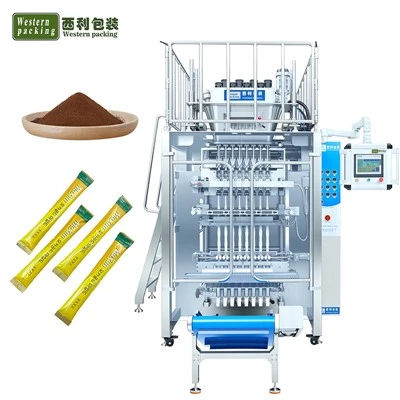
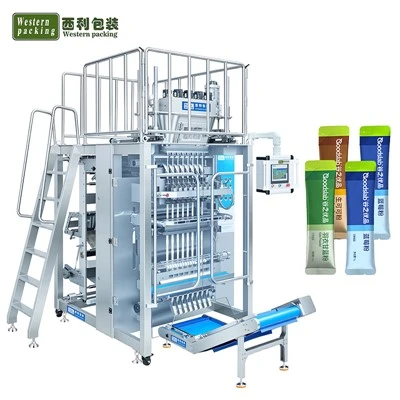
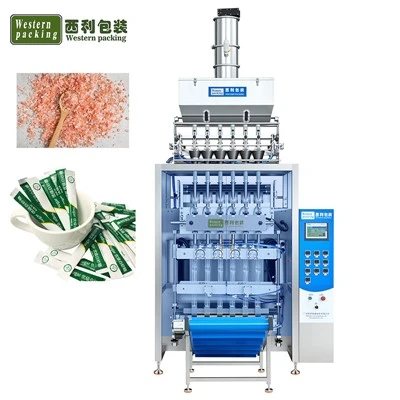
Now, let’s talk about different types of products, because not all packing lines are the same. If you’re packing high-volume, small items like sachets or stick packs, a standard Cartonator can be upgraded to handle specialized tasks. For example, a factory packing coffee stick sachets might use a Stick Counting Cartoning Machine to count exact numbers of sticks and load them into cartons automatically. Before, they had two workers counting and placing sticks by hand—slow, error-prone, and requiring constant supervision. With this machine, one worker can oversee the entire stick packing process, reducing labor for that station by 75%.
I also work with snack food manufacturers that need to pack individual pouch snacks into cartons. A Pouch Cartoning Machine does this at speeds of up to 300 cartons per minute—far faster than any manual line. When these factories switched from packing 10,000 pouches a day with 5 workers to 50,000 pouches a day with 2 workers, their labor cost per unit dropped by 60%. That’s not just fewer people; it’s the ability to scale production without adding extra labor. During the pandemic, a lot of snack factories struggled to hire enough workers, but those with Cartonator machines kept up with demand without raising wages to attract staff.
Wait, but I know some factory leaders worry: “If I invest in a Cartonator, will I have to lay off workers?” From my experience, that’s almost never the case. Let’s go back to that pharmaceutical plant. They had four workers on the packing line; after installing the Cartonator, they reallocated two of them to quality control and product development roles—jobs that added value to the company, not just repetitive packing. The third worker stayed to monitor the machine and the fourth handled shipping. So instead of replacing workers, the machine let the team move into roles that paid better and had more growth potential. That’s a big point I try to make—labor cost reduction doesn’t have to mean cutting jobs; it means making labor more valuable.
Let’s also look at long-term labor fluctuations. Peak seasons, like holiday shopping for consumer goods, mean factories have to hire temporary workers at higher hourly rates (sometimes 1.5x regular wages) for a few months. A Cartonator can handle the extra volume during peak seasons without adding as many temp workers. For example, a cosmetic company I worked with used to hire 10 temp workers for two months every holiday season to pack gift sets. With a Cartonator and a specialized High Speed Cartoning Machine, they only needed two extra part-time workers for that period. Their peak-season labor costs dropped by 65% in one year. That’s a game-changer because temp workers are often less accurate, leading to more returns or wasted materials—another hidden cost that comes down to understaffed packing lines.
Of course, there’s an upfront cost to buying a Cartonator machine, but when you calculate the total cost of ownership (TCO) over five years, the labor savings far outweigh that. Let’s do a quick TCO example: a standard Cartonator costs around $85,000. Over five years, the pharmaceutical plant I mentioned saved $475,000 in labor costs. Subtract the machine cost, and they’re still ahead by $390,000. Add in savings from less waste, lower training costs, and less overtime, and that number goes even higher. I always tell factory managers to look at TCO, not just the initial price tag—labor costs make up 70-80% of packing line expenses, so reducing that is the fastest way to improve profit margins.
Another benefit that ties directly to labor is ergonomics. Manual packing involves a lot of repetitive motions: lifting heavy cartons, bending over workstations, placing small items hundreds of times an hour. This leads to musculoskeletal disorders (MSDs), which cost companies millions in workers’ comp claims and lost productivity. When a Cartonator takes over the physical tasks, workers stay healthier, miss fewer days, and are more productive when they’re on the job. At the snack food factory we discussed earlier, their workers’ comp costs for packing line duties dropped by 40% within a year of installing the machine. That’s another labor-related cost that’s easy to overlook until it’s gone.
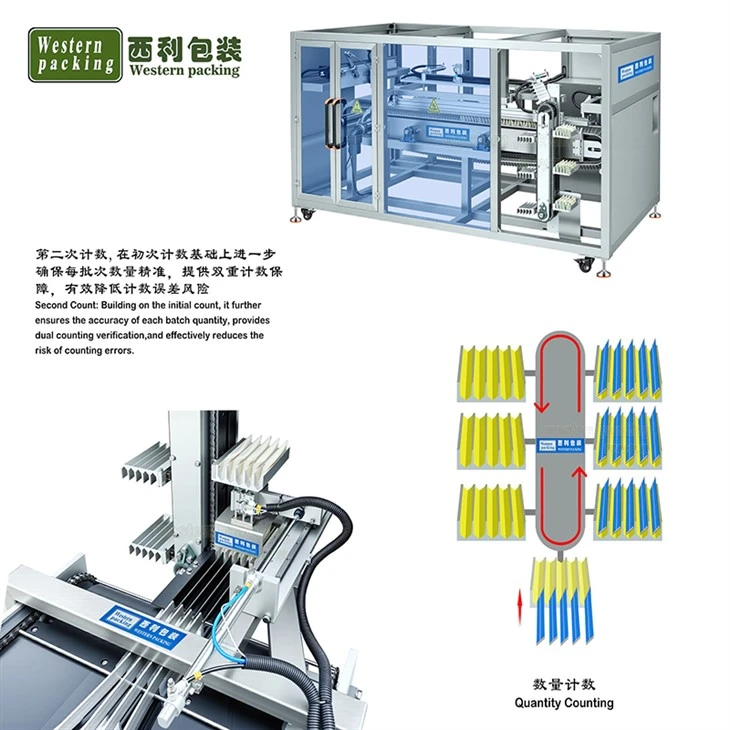

But not all Cartonator machines are the same. That’s why we offer a range of specialized models to fit different packing needs. If you’re packaging sachets, our Sachet Cartoner is designed to handle small, flexible items with precise placement, so you don’t need extra workers to correct mispacked sachets. For brands that sell stick sachets (like single-serve coffee or protein powder), our Stick Sachet Cartoning Machine automates the entire process from counting to sealing, cutting labor time by two-thirds. And for high-volume lines that need maximum speed, our High Speed Cartoning Machine keeps up with even the busiest production schedules, so you don’t have to add more shifts to meet demand.
I’ve had factory owners tell me, “I can’t afford to buy a machine right now, but I can’t afford to keep paying this much for labor.” That’s where a Cartonator makes sense—because the labor savings start almost immediately after installation. You don’t have to wait years to see a return. Most of our customers see a full ROI on their machine within 18 to 24 months, thanks to reduced labor costs alone. When you factor in less waste, higher accuracy, and fewer MSDs, that timeline gets even shorter.
Let me also address a common misconception: some people think automated machines require a team of technicians to maintain them, adding to labor costs. But modern Cartonator machines are built for reliability—our average uptime is over 95%, so maintenance is minimal. We provide free initial training for maintenance staff, and our customer support team is available 24/7 if there’s an issue. I’ve never had a customer tell me that maintenance labor costs ate into their savings from reduced packing labor. In fact, maintenance for a Cartonator is usually less than the overtime they would have paid a single manual worker in a month.
So, what does this mean for your packing line? If you’re dealing with high turnover, rising wages, constant overtime, or peak-season staffing headaches, a Cartonator packing machine can change the game. It’s not about replacing workers—it’s about taking over the repetitive, physically taxing tasks that drain labor resources, so your team can focus on skilled work that adds more value to your business. The numbers don’t lie: when I look at every customer case, the average labor cost reduction after installing a Cartonator is 55% or more. That’s not a small number—it’s the difference between a factory that’s barely breaking even and one that’s growing.
If you’re ready to see how a Cartonator can cut your packing labor costs and boost your production efficiency, I encourage you to reach out to our team to discuss your specific needs. We can walk you through our different models, from the specialized Stick Counting Cartoning Machine to our high-speed lines, and help you calculate exactly how much you could save. Whether you’re packing pharmaceuticals, snacks, cosmetics, or consumer goods, there’s a Cartonator solution that fits your business. Don’t let rising labor costs hold your packing line back—take the step to automate smarter, not harder, and see the difference in your bottom line.
References
- Occupational Safety and Health Administration (OSHA). (2022). Musculoskeletal Disorders and Workplace Factors. U.S. Department of Labor.
- Packaging Digest. (2023). "Automation in Packing Lines: Labor Cost Trends for 2023."
- National Association of Manufacturers. (2022). "Factory Labor Cost Reduction Strategies Through Automation."
- Food and Drug Administration (FDA). (2021). "Automated Packing Solutions for Pharmaceutical Manufacturing Lines."
- Bureau of Labor Statistics. (2023). "Occupational Employment and Wages: Packing and Filling Machine Operators and Tenders."