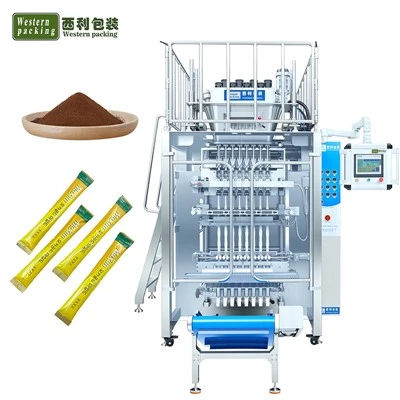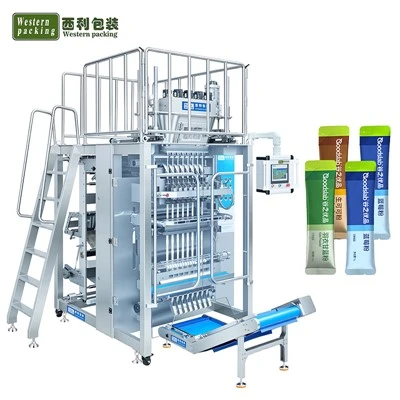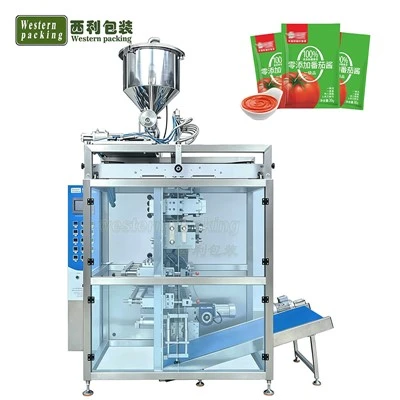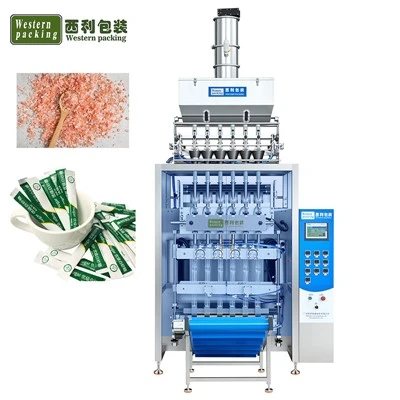


If you’ve ever worked in packaging operations, you’ve probably heard someone grumble about “hidden costs” that eat into production margins—wasted materials, slow changeovers, downtime that adds up faster than you can hit a “save” button on a spreadsheet. As a Cartonator packing machine supplier, I’ve had hundreds of conversations with production managers, line supervisors, and plant owners who’ve struggled with exactly that: their packing process isn’t just labor-intensive, it’s draining their budget in ways they didn’t notice until they swapped to a machine like ours. Today, let’s break down exactly how the Cartonator packing machine shifts those numbers and actually cuts your packing costs, without the fancy jargon that makes your eyes glaze over.
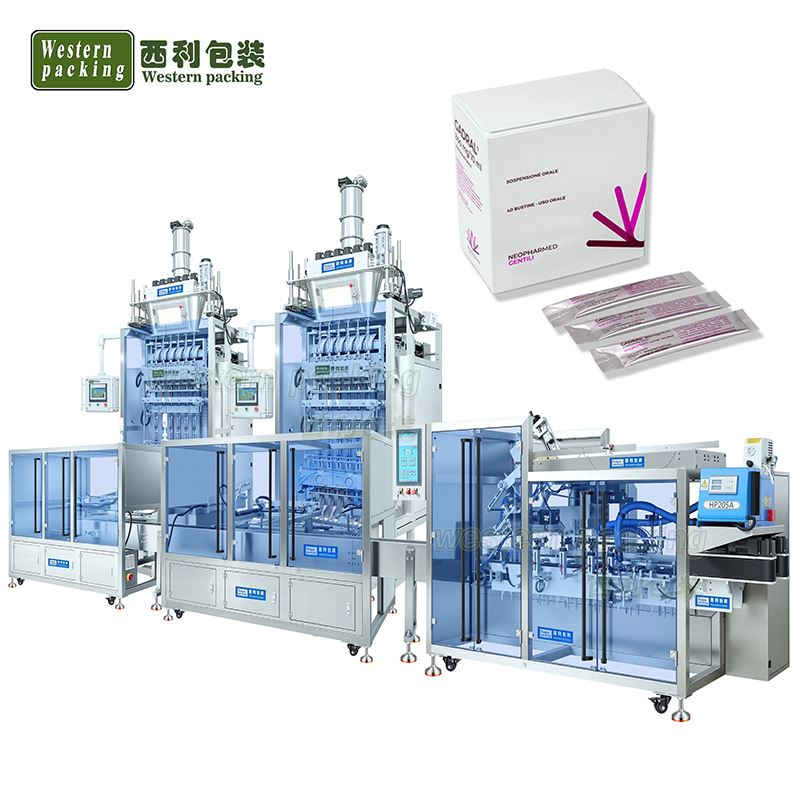
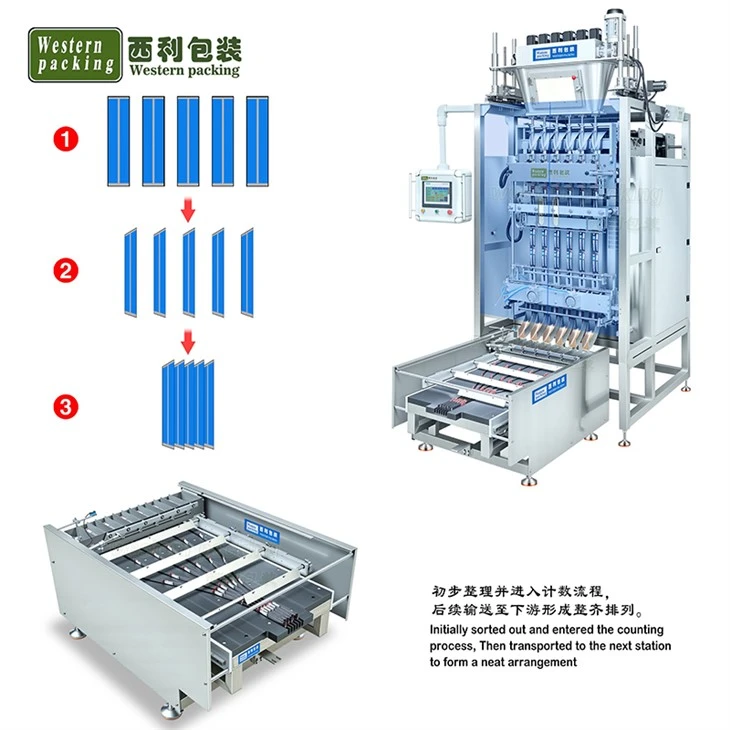
First, let’s talk about the biggest packing cost that flies under the radar: material waste. A lot of older packing setups—think manual cartoning or clunky semi-automatic machines—waste so much cardboard, tape, or whatever packaging material you use because they can’t adjust to small or variable sizes fast. I remember a snack food client a year back who was manually packing 10-gram stick bags of jerky; their team would tear off way too much cardboard each time they loaded a batch, and sometimes they’d even dent the carton because they were working too fast to hit their quota. After they switched to a Cartonator, their cardboard waste dropped by 18% in the first month. Why? Because the Cartonator’s smart servo motors adjust carton size in 90 seconds flat—no more wasting sheets because you have to manually trim, or tossing entire cartons that don’t fit right. This isn’t just good for the planet; it’s direct cash back in your pocket. For a client packing 50,000 stick bags a week, that’s thousands of dollars saved on cardboard alone, not to mention the tape or glue you’re not using excessively. If you’re packing stick-shaped products, you might also check out our stick bag cartoning machine for even more specific material optimization for that product line.
Next, labor costs—this is the one that hits budgets hardest, especially with recent wage hikes and tight labor markets. Let’s be real: manual packing is slow, and it’s prone to errors. A single packer might pack 300-400 units an hour, but the Cartonator? It can handle 800-1,200 units per hour, depending on your product. That means you can either run the same line with fewer workers (say, one operator to monitor the machine instead of three) or crank out more units without adding staff. I had a cosmetic brand client a few months ago who was manually packing lip gloss tubes and small moisturizer sachets; they had two full-time packers on the line, and their error rate was 7% (wrong carton size, missing products, etc.). After switching to a Cartonator, they only needed one operator, and their error rate dropped to under 1%. That’s not just less payroll—less error means no costly recalls, no wasted finished products, no time spent reworking bad packs. If you’re working with beauty products specifically, our cosmetic cartoning machine is built for those smaller, more delicate items to keep errors even lower.
Downtime is another hidden cost people don’t account for until it’s too late. Semi-automatic or manual packing lines require constant stops to reset sizes, fix jams, or switch products. The Cartonator is built to minimize that—its quick-change parts mean you can switch from packing stick bags to counting sticks (our stick counting cartoning machine is perfect for that, by the way) or sachets in minutes, not hours. A pharmaceutical client told me before they got a Cartonator, their line was down 15% of the time due to jammed parts or slow adjustments; now that downtime is under 3%. Multiply that by a 20-hour production day, and that’s an extra 2.4 hours of actual packing time every single day—time you can use to fulfill orders, no overtime needed.
Wait, but what about the initial cost, right? I get it—investing in a new machine feels like a big hit upfront, but when you run the numbers, it pays for itself way faster than you think. Let’s do a quick example: say you’re packing 100,000 units a month, currently paying $12,000 in labor, $3,000 in packaging waste, and $2,000 in rework and downtime costs. Switch to a Cartonator, and you cut labor by 40% ($4,800 saved), waste by 15% ($450 saved), and rework/downtime by 80% ($1,600 saved)—that’s $6,850 in monthly savings. Even if your Cartonator investment is $50,000, that’s a payback period of around 7 months. Most businesses forget that old machines add up “invisible” costs that compound every month, while the Cartonator’s efficiency is consistent, even as production ramps up.
Another thing: consistency. The Cartonator packs every unit the same way, every time. That means you don’t have to spend money on quality control checks for every single pack (unless you want to, but most clients cut their QC staff by half after switching). For a sachet brand, for example, our sachet cartoner ensures each sachet is sealed correctly, inserted into the right carton, and labeled straight—no more hand-checking every pack. If you’re dealing with sachets of any kind, our sachet cartoning machine is tailored to handle thin, easy-to-crush items without damaging them, which saves you from throwing out whole batches of spoiled products.
Now, I’ll be honest—no machine is perfect. The Cartonator does need regular maintenance (we include a free training session for your team when you buy one, so you know exactly how to keep it running), and it works best when you have a consistent product line (though it’s flexible enough for most small to medium production runs). But compared to older packing setups, the reduction in variable costs is night and day. I’ve had clients who were skeptical at first—one even thought we were just selling another “expensive toy”—but 6 months later, they’re coming back to buy a second machine because their savings were so high they could justify expanding without taking on extra debt.
So, if you’re tired of watching packing costs eat into your profits, the Cartonator packing machine isn’t just a piece of equipment—it’s a way to cut waste, save on labor, reduce downtime, and make your entire line run smoother. We’ve designed our range to handle all kinds of products, from small sticks and sachets to cosmetic items and more, so no matter what you’re packing, we’ve got a Cartonator model that fits. If you want to chat more about how this works for your specific production numbers, reach out to our team to talk through your packing needs and see exactly how much you could save.
References
- Industrial Packaging Association. (2023). Cost Optimization in Modern Packing Operations. Retrieved from https://www.ipassociation.org/packing-cost-guide
- Manufacturing Today. (2024). Labor Efficiency and Automation: ROI for Mid-Size Production Lines. Retrieved from https://www.manufacturingtoday.com/automation-packing-roi
- Sustainability in Packaging Report. (2023). Waste Reduction Metrics for Automated Packing Equipment. Retrieved from https://www.sustainpack.org/waste-metrics-2023