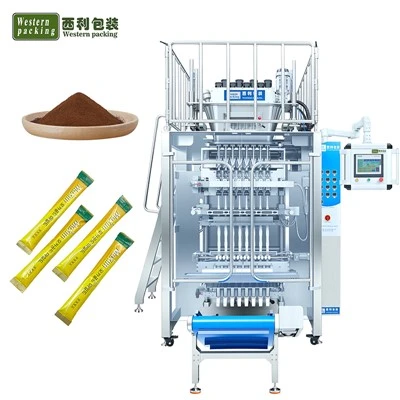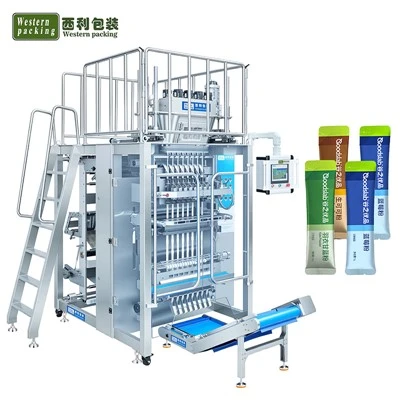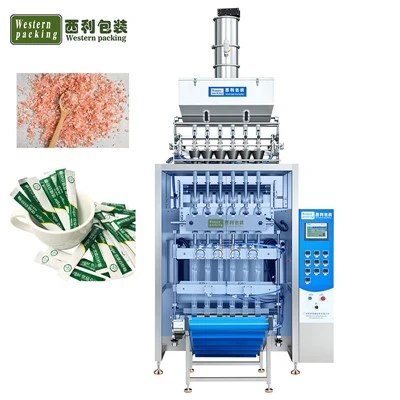


As automation becomes increasingly common in the tea industry, tea packaging machines are being widely used for tea bags, single-serve sachets, tea powder, and other tea products. After prolonged and continuous operation, components involved in film feeding, dosing, sealing, and mechanical transmission may experience wear. Establishing a proper maintenance routine is therefore essential for maintaining reliable performance, reducing unplanned downtime, and extending equipment service life.
Routine cleaning is the foundation of tea packaging machine maintenance. After production, operators should promptly clean the machine frame, hopper, feeding area, and other surfaces that may come into contact with tea products. Tea fragments and dust should not be allowed to accumulate for extended periods. Cleaning should always follow the equipment manufacturer's recommendations, particularly around electrical and control components where moisture or unsuitable cleaning agents should be avoided.
The dosing and feeding systems should also be inspected regularly. Tea leaves can vary in shape and bulk density, and prolonged operation may lead to material residue or inconsistent feeding. Maintenance personnel should check the relevant components and make appropriate adjustments based on actual packaging performance to help maintain stable dosing.
The sealing system is another key maintenance area. Operators should monitor sealing temperature, pressure, and the cleanliness of the sealing surfaces during production. Tea particles or other debris around the sealing area can interfere with package integrity. Heating components, sealing blades, and other wear parts should be inspected regularly and replaced according to the machine's maintenance requirements.

The film-feeding and transmission systems also require periodic inspection. Operators should check whether packaging film moves smoothly and whether drive components, fasteners, and related mechanisms show signs of looseness, abnormal wear, or unusual noise. Lubrication and adjustments should be carried out when required by the equipment specifications to maintain smooth coordination between moving parts.
The electrical control system should not be overlooked. PLC controllers, sensors, photoelectric detection devices, and electrical connections should be kept clean and secure. If an abnormal alarm, sensor malfunction, or unusual control behavior occurs, the machine should be stopped and inspected appropriately. Electrical faults should not be handled while the equipment is operating.
Guangzhou Western Packing Co., Limited specializes in packaging machinery and related packaging materials, providing automated packaging equipment and supporting materials for tea and other products. When using this type of equipment, manufacturers can establish maintenance schedules based on the specific machine model, product characteristics, and production environment.
Overall, proper maintenance of a tea packaging machine should cover cleaning, dosing, feeding, sealing, mechanical transmission, and electrical control systems. Combining routine inspections with scheduled maintenance can help identify potential problems at an early stage, support reliable machine operation, and provide a stronger foundation for efficient tea packaging production.