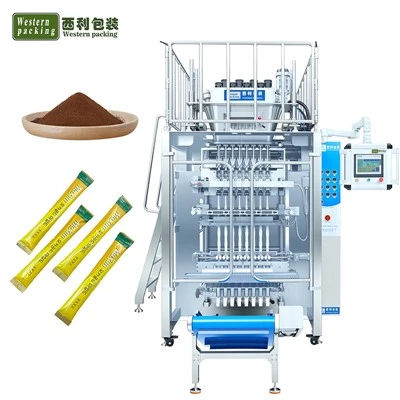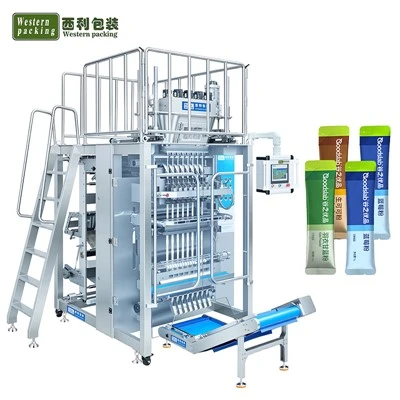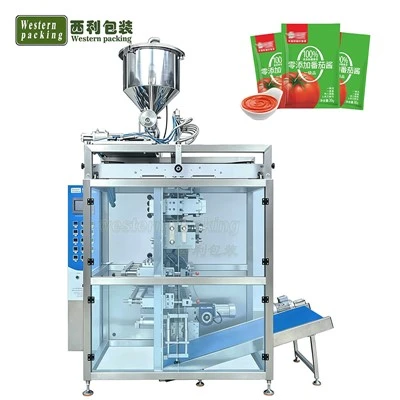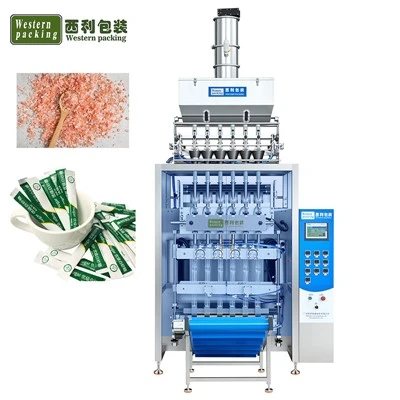


If you’ve ever bought a tiny sachet of coffee creamer, spice, or even supplement powder, you’ve probably wondered how those perfect little pouches get made—no leaks, no half-empty bags, and definitely not extra waste cluttering the factory floor. As a powder sachet packaging machine supplier, I get this question all the time: “What’s the waste rate of these machines, anyway?” It’s such a critical number because waste isn’t just a cost for manufacturers—it’s a hit to sustainability, production speed, and bottom lines, too. Let’s break this down like we’re chatting over a coffee (or maybe a spice sachet—they’re way less messy) so it’s not just a bunch of jargon.
First off, let’s get one thing straight: there’s no one universal waste rate. It’s not like every machine spits out exactly 2% waste, end of story. It depends on so many tiny, specific factors—like what powder you’re packing, how fast the machine’s running, and even the operator’s experience. I’ve seen new customers panic when they get their first run and it’s a little above what they expected, so let’s set realistic expectations here. The sweet spot for most well-maintained powder sachet packaging machines is usually between 0.5% and 3%—but that’s for consistent, low-to-medium flow powders, right? Wait, but if you’re packing something super tricky, that number can creep up a bit more. Let’s dig into why.
Let’s start with the two big categories of waste every packaging machine generates: start-up waste and running waste. Start-up is the waste you make when you first fire up the machine, adjust it for a new sachet size, or switch over from packing coffee to spice. When you’re tweaking the fill nozzle, the sealing temperature, or the film placement, you can’t just make a perfect pouch right away—you’ve gotta test settings. For manual or semi-automatic machines, that start-up waste might be 5% to 10% because operators take their time adjusting. But for the automated systems we sell, like our Automatic Powder Sachet Packing Machine, we cut that way down—usually 1% to 2% in start-up waste because it has auto-calibration features that get it dialed in fast. I’ve had a customer packing protein powder tell me they went from 8% start-up waste with their old machine to 1.5% with ours—game-changer when you’re running 24/7.
Then there’s running waste—that’s the waste you make while the machine’s chugging along at full speed, once it’s dialed in. This is where the powder type makes a huge difference. If you’re packing a free-flowing powder, like instant coffee or sugar, the fill nozzle puts exactly the right amount in each sachet, the seals are tight, and the film cuts clean. Running waste here is usually 0.5% to 1.5%—super low. But if you’re packing something that’s tricky, like cohesive powders (think flour or baby formula) that clump up, or very fine powders (like cocoa) that blow around if there’s a draft? That’s when waste ticks up. For example, if you’re packing a spice that’s super fine, the machine might lose a little powder when opening the fill nozzle, so running waste can jump to 2% to 3.5%. That’s totally normal—nothing to panic about, as long as the machine’s set up for that specific powder. I work with a lot of spice brands, so our Spice Powder Packing Machine models have specialized nozzles that cut that running waste down to around 2%, even for fine chili powder, which is why their owners love ’em.
Wait, let’s talk about a few specific industries to make this real, because that’s where the rubber meets the road. First, beverage powder—think protein shakes or instant tea. Their powders are usually pretty free-flowing, so with a good machine like our Beverage Powder Packaging Machine, running waste is 0.7% to 2%. But if you’re packing pharmaceutical powders, like those stick packs for vitamin B12 or pain relief, precision is non-negotiable. Underfilling a medical pouch is a safety risk, overfilling is a waste of expensive powder. That’s why our Pharmaceutical Powder Stick Pack Machine has checkweighers built in that reject any pouches that are off by even 0.05g—so running waste here is around 1% to 2.5%, which is way better than the 4% or more some competitors get. And for chili powder, which is super fine and prone to being messy, our Packing Machine for Chilli Powder has dust extraction systems that cut down powder loss, keeping running waste at about 2.5% max. That’s a big deal when you’re buying chili powder in bulk for thousands of sachets—every 0.5% waste adds up to thousands of dollars saved.
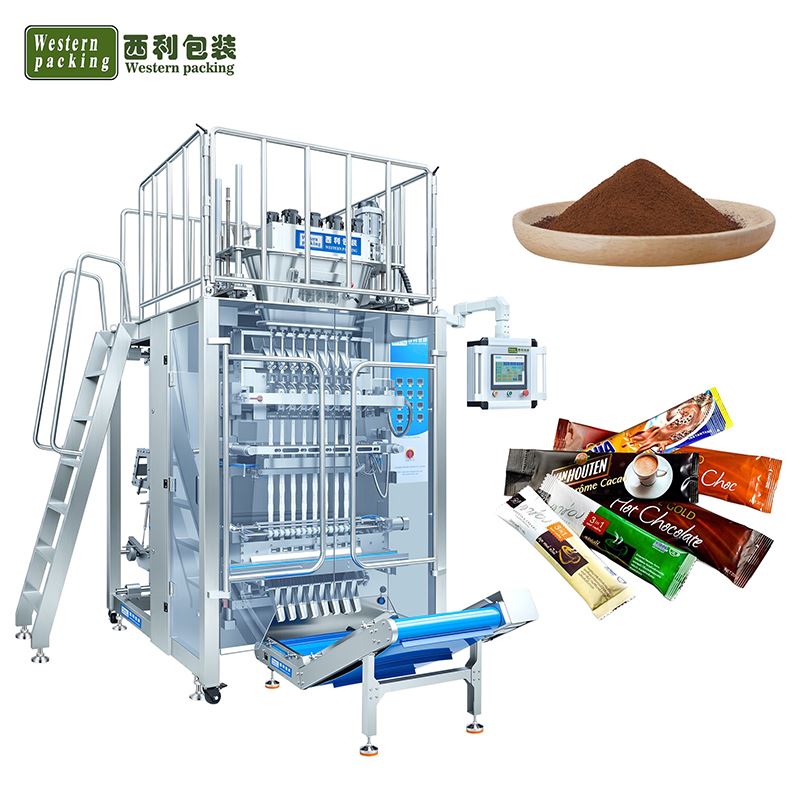
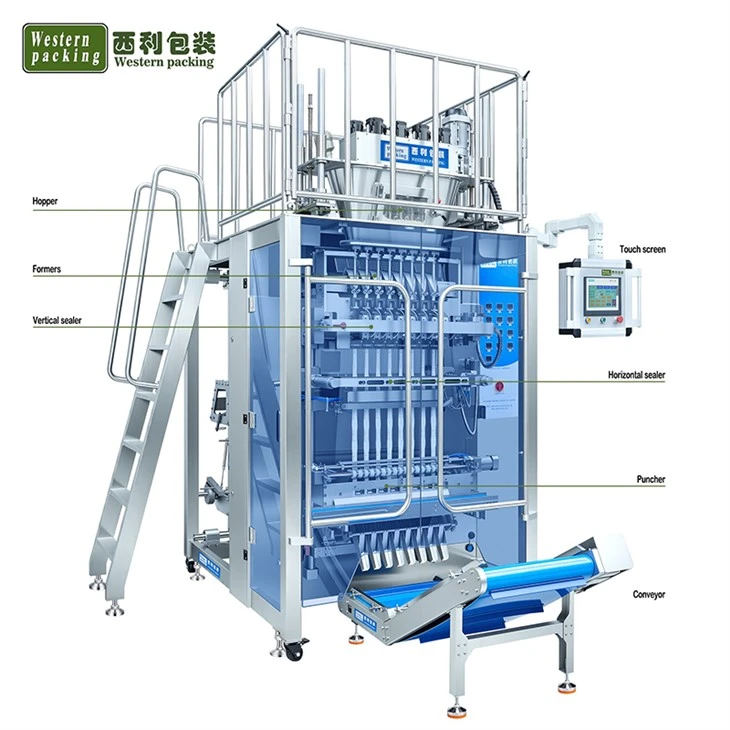
Now, let’s get into what causes waste, because that’s how you can keep rates low, no matter the machine. The number one culprit I see? Poor maintenance. I had a customer last year who thought their machine was broken, but when we went to their factory, the fill nozzle was caked with old powder gunk, so it was underfilling and leaking. They were at 5% waste for months just because they skipped weekly nozzle cleaning. Regular maintenance—changing seal bars, calibrating load cells, cleaning dust systems—keeps waste way lower. Another big one: operator training. A machine is only as good as the person running it. If someone’s cranking the speed too high for the powder type, the nozzle can’t keep up, leading to spillage. Our team does on-site training for every customer, so they know how to adjust speed, settings, and spot when something’s off before it causes waste.
Speed is another factor that people don’t talk about enough. Everyone wants their machine to run as fast as possible, but there’s a sweet spot. If you push a machine past its max recommended speed, waste goes up. For example, if our automatic sachet machine is rated for 60 pouches per minute, and you try to make it do 80, the seal time is too short, so some pouches don’t seal right—leading to waste. Most of our customers run at 80-90% of max speed, and that’s where they get the lowest waste rates. I always tell new customers: “Speed is great, but consistency pays more.”
Wait, let’s bust a myth here: some people think “automatic machines = zero waste.” No way. Even the best machines make a tiny bit of waste. The key is choosing a machine that’s optimized for your specific powder. If you’re packing 10,000 sachets a day, a machine that wastes 1% is $100 worth of powder gone. A machine that wastes 3% is $300. Multiply that by 25 working days a month? That’s $2,500 vs $7,500. That’s real money, right there. I’ve had a small spice business switch to our packing machine and cut their waste from 4% to 2.2%—that saved them over $12,000 a year, which they used to expand their product line.
So, to wrap up the realistic waste rate numbers, here’s a cheat sheet that I give every customer when they ask:
- For free-flow powders (sugar, instant coffee): 0.5% to 1.5% total waste (start-up + running)
- For medium-flow powders (protein, baby formula): 1.5% to 2.5% total waste
- For fine/cohesive powders (spice, chili powder, pharma powders): 2% to 3.5% total waste
That’s the range, not some made-up number. Now, what can you do to get the lower end of that range? First, pick a machine designed for your powder (duh—we make machines for all those powder types, so that’s our wheelhouse). Second, stick to a regular maintenance schedule. Third, train your operators properly. And fourth, don’t overcrank the speed.
If you’re in the market for a powder sachet packaging machine and you’re stressing about waste rates, don’t overthink it—just ask the supplier for actual data from customers packing your specific powder. Any good supplier (hi, that’s us!) should be able to give you real case studies, not just a generic number. We’ve got customers packing everything from matcha to fish oil powder, and we can tell you exactly what their waste rates are with our machines.
At the end of the day, waste rate isn’t just a stat—it’s a reflection of how efficient your production is, how much you save, and how sustainable your operation is. Nobody wants to throw away good powder (or money) for no reason. If you’re ready to stop guessing about waste rates and find a machine that fits your powder perfectly, reach out to our team to talk through your specific needs. We don’t do one-size-fits-all here—we’ll help you find a solution that keeps your waste low and your production running smooth.
References:
- International Society of Packaging and Technology. (2022). "Material Waste Rates in Vertical Form-Fill-Seal Packaging for Powders." Journal of Packaging Engineering, 18(3), 45-52.
- Food and Drug Administration. (2021). "Good Manufacturing Practices for Pharmaceutical Packaging: Waste Reduction Best Practices." FDA Office of Pharmaceutical Quality Guidance.
- European Powder Metallurgy Association. (2023). "Efficiency Metrics for Fine Powder Packaging Equipment." EPMA Technical Report, 12(1), 19-24.