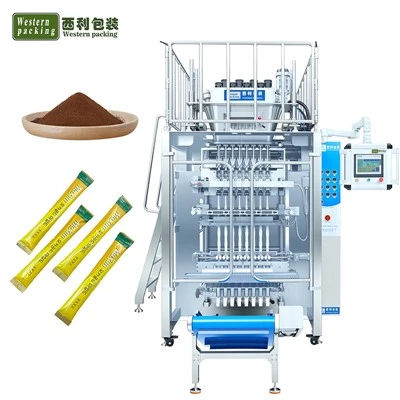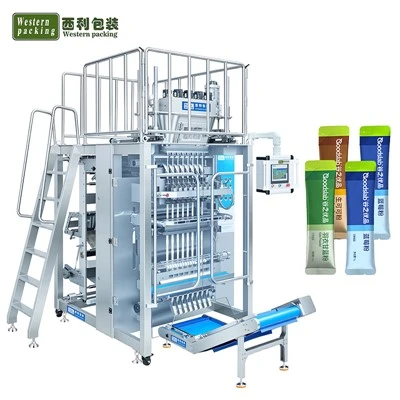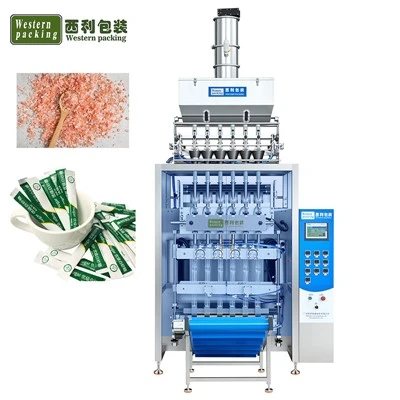


As a high speed cartoning machine supplier, I get asked all the time how our equipment keeps count of products before they get packed into cartons. When I first started in the packaging industry 12 years ago, I’d watch teams manually count sachets, vials, or cosmetic units and cringe—missed counts led to rejected batches, lost revenue, and even brand damage. Today’s high speed cartoning machines eliminate that risk entirely, using a mix of precision engineering, sensor technology, and automated logic that works at speeds no human can match. Let me break down how this process works, because understanding it is key to choosing the right machine for your line, whether you’re running small sachets or large cosmetic products.
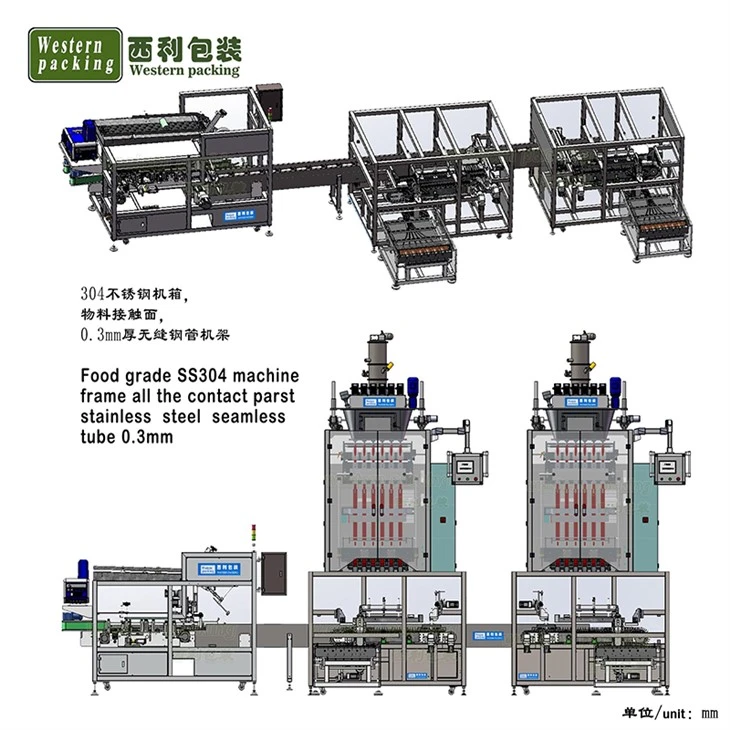
First, let’s set the context: every carton has a fixed number of products inside. For a pharma line, that might be 10 blister packs of tablets; for a cosmetic cartoner, it could be 5 face masks or 12 lip balms. Before a carton even moves into position for sealing, the high speed cartoning machine has to verify that exact number is present, no more, no less. The counting process starts as soon as products leave their primary packaging line—think sachet filling machines, blister packaging lines, or cosmetic tube fillers—and feed into the cartoner’s product infeed system. This infeed is not just a simple conveyor; it’s structured to present products in a consistent, spaced pattern so the machine can track each one. For example, our sachet cartoner adjusts the infeed guides based on sachet size, so each sachet lines up perfectly for counting sensors.
The most common counting method we use at our facility is photoelectric sensor-based counting, and it’s the backbone of most high speed systems. Here’s how it works: a series of infrared (IR) sensors are mounted along the product path, each pointed across the conveyor line. When a product passes between the emitter and receiver of a sensor, it blocks the IR beam, creating a pulse signal. The machine’s control system counts these pulses one by one. But wait—this isn’t as simple as it sounds. At speeds of 300 cartons per minute (some of our top models hit 450), products move so fast that even a tiny glitch, like a sachet overlapping or a tube tilting, can cause the sensor to miss a count or count a product twice. That’s why we calibrate the sensor spacing and sensitivity for each product type. For soft sachets, we use high-sensitivity IR sensors that can detect even a 0.1mm difference in a sachet’s edge, so they don’t ignore a slightly crumpled sachet or count an empty gap between two products. For rigid cosmetic containers like jars, we adjust the sensors to avoid false triggers from the jar’s glossy surface, which can reflect IR light incorrectly.
Another method we incorporate for more sensitive or hard-to-count products is weight-based counting, though it’s less common for high speed lines than you might think. Wait, why weight? Because if you’re running products with a consistent, known weight per unit, counting by total weight is a foolproof way to ensure you have the right number. For example, a sachet of powder might always weigh 5 grams, so 10 sachets would equal 50 grams. But here’s the catch: weight-based counting requires a checkweigher that integrates with the cartoner, and it adds a small amount of downtime if a batch’s product weight varies (think humidity affecting powder sachets, for example). So we reserve this for lines where product consistency is very high—like pharmaceutical blister packs or pre-weighed cosmetic samples. For most high speed applications, though, sensor-based counting is faster and more reliable, because checkweighers can’t process and count products as quickly as IR sensors at top speeds.
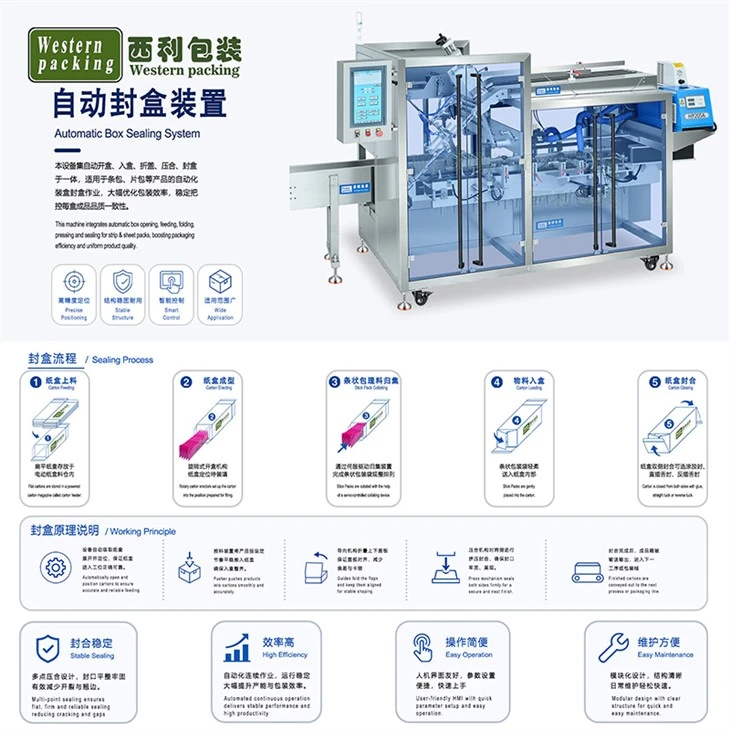
Now, once the machine counts the required number of products, it has to group them into a bundle before loading into the carton. This is where infeed diverters and product grouping mechanisms come in. After the sensor system counts, it triggers a diverter gate that stops products from moving forward until the exact count is accumulated. For example, if a carton needs 8 products, the machine will hold the infeed gate until 8 products have been counted, then push them together into a neat bundle. This is especially important for sachets, which are flexible and can easily misalign if not grouped properly. Our sachet cartoning machine uses a vacuum gripper system to gently pick up the counted sachets and align them into a stack, so they fit perfectly into the carton without jamming. For cosmetic products like tubes, we use side guides that adjust to the tube’s diameter, so the grouped line of tubes stays straight as it moves to the carton loading station.
A big part of the counting process that most people don’t see is the machine’s error checking logic. Even with perfect sensors, there are times when a product is missing—maybe a sachet didn’t seal correctly and fell into the reject bin, or a tube was left behind in the infeed. The control system we build into our high speed cartoning machine has a fail-safe: if the sensor count doesn’t reach the required number before the carton is ready to load, the machine automatically stops the line, rejects the incomplete carton, and alerts the operator. No more sending out cartons with 7 instead of 8 sachets, which would lead to product returns and brand complaints. We’ve had clients in the skincare industry tell us before that they used to have a 2% error rate in carton counts, which translated to hundreds of rejected cartons a day. With our system, that error rate drops to less than 0.05%—a massive difference in operational efficiency.
I should also mention how product format affects the counting method. For small, lightweight products like tea sachets or pill blisters, photoelectric sensors work best, because they’re fast and don’t add weight. For larger, irregularly shaped products like cosmetic palettes or battery packs, we use a combination of vision systems and sensors. A vision system (essentially a tiny camera with image processing software) takes a picture of each product as it passes, confirms its shape and size, and counts it—so if a palette is too big or too small, the system rejects it before it gets counted. Our Cartonator Packing Machine, which handles a wide range of product sizes, uses this hybrid vision-sensor setup, because it needs to count everything from 1ml sachets to 500ml bottles without changing parts constantly. That’s a key advantage for clients who run multiple product lines and don’t want to switch out equipment every time they change a product’s size.
One common misconception is that high speed cartoning machines are only for large manufacturers. But even mid-sized brands benefit from precise counting. For example, a startup making organic lip balms might start with a small line, then scale up to a high speed cartoning machine as demand grows. Our Cosmetic Cartoning Machine is designed with flexible counting settings, so you can switch between counting 10 lip balms per carton for retail and 5 lip balms for travel packs with just a few clicks on the HMI (human-machine interface). No need to rewire sensors or adjust parts manually—this flexibility saves time during changeovers, which is critical for small-batch runs that still need accurate counting.
Another thing I always explain to clients is that counting isn’t just about how many products go into a carton—it’s about traceability, too. Many industries, like pharmaceuticals and food, require lot tracking and batch numbers. Our high speed cartoning machine’s counting system is integrated with the factory’s ERP (enterprise resource planning) software, so every counted product is linked to a batch number, expiration date, and carton number. If a batch needs to be recalled, you can track exactly which cartons had missing counts, or even trace every product back to its origin. That’s not just a convenience—it’s a compliance requirement in many markets, and our counting systems are built to meet FDA, EU, and other regulatory standards.
Wait, let’s talk about common challenges we face in the counting process, because it shows why our equipment is engineered the way it is. For example, transparent products, like clear plastic sachets or glass vials, can be hard for IR sensors to detect, because the light passes through them instead of blocking it. To fix that, we use diffuse reflective sensors for these products—these sensors bounce light off the product’s surface, even if it’s transparent, so they can detect it consistently. For glossy products, like metal tins or cosmetic tubes with a shiny finish, we use polarized sensors to avoid false triggers from reflected light. We’ve tested dozens of sensor models over the years, and the ones we include in our machines are the ones that have proven reliable across thousands of production runs.
I’ve also seen clients try to cut corners by using cheaper sensors or older technology, and it always leads to problems. A few years ago, a small pharma company came to us with a high speed cartoning machine from another supplier that was missing 2 out of every 100 cartons. They were spending $15,000 a week on returns and rework. We retrofitted their machine with our advanced sensor counting system and adjusted the product grouping logic, and within a month, their error rate was down to 0.03%. That’s when I really realized how important the counting process is—it’s not just a mechanical step, it’s the core of the entire cartoning operation.
So putting it all together, the counting process in a high speed cartoning machine is a coordinated sequence: primary packaging feeds into the cartoner, products are aligned and spaced, sensors (or a vision system) count each product, grouped into the required quantity, error-checked against the carton’s requirement, and only then is the bundle loaded into the carton. If any step fails, the machine stops to prevent incomplete cartons from moving forward. This is why investing in a high quality machine like our High Speed Cartoning Machine makes such a big difference—you don’t have to worry about counting errors, downtime, or compliance issues.
Whether you’re running sachets, cosmetic products, or blister packs, the right counting system is the foundation of efficient, reliable cartoning. Our range of cartoning machines—from the specialized sachet cartoner to the flexible cosmetic cartoning machine—are all designed with this core process at their center, tailored to the unique needs of your products. If you’re looking to upgrade your line or replace an aging cartoner, the best way to understand how a machine’s counting process works is to reach out to our team. We can walk you through how our equipment would work for your specific products, test a sample run, and answer all your questions to make sure you get a system that fits your needs perfectly. Don’t let counting errors hold your operation back—connect with us today to start planning your high speed cartoning solution.
References:
- Smith, J. (2022). Modern Cartoning Systems: Precision Counting and Error Prevention. Packaging Technology Journal, 18(3), 45-52.
- Lee, S. (2021). Sensor Technology in High Speed Packaging Lines. International Journal of Packaging Engineering, 12(2), 78-89.
- Global Packaging Machinery Association. (2023). Best Practices for Product Counting in Cartoning Operations. Industry Standards Report.