

If you’ve ever walked the candy aisle—gawking at those gumballs with a liquid center, chewy caramel-filled chocolates, or those sour gummy worms oozing fruit puree—you’ve probably wondered, “How on earth do they get that filling in there?” As a candy filling machine supplier who’s spent the last 8 years troubleshooting, upgrading, and tweaking these machines with clients, I get that question all the time. More often than not, it’s followed by: “Wait… can that machine even be customized? Because my brand’s candy isn’t like the big guys’.”
Let me cut to the chase here: Yes, candy filling machines 100% can be customized. But it’s not just “swapping a part” or “adding a button”—it’s about digging into what your actual product needs, and how you want to run your business. I’ve seen small-batch craft candy makers design machines for limited-edition holiday candies, and big confectionery brands retool lines for 10 different SKUs in a single shift. Today, I want to walk you through why customization matters, what’s actually possible, and how to make sure you’re not wasting time (or money) when you ask for it.
First, let’s break down why customization isn’t a “nice-to-have” for most candy makers. Generic, off-the-shelf machines work… if you’re making one type of candy, one size, one filling, forever. But that’s not how the candy market works anymore. Take my last-minute client—they make artisanal salted caramel-filled truffles. They started with a basic machine, but their caramel kept leaking out because the standard nozzle was too big for their thin truffle shell. Then their next batch was peanut butter-filled candies, which are thicker and clump easier, so the same pump couldn’t handle it without jamming. A generic machine would’ve forced them to choose: either sacrifice product quality or limit their product line. Customization fixed that, but only when we listened to their specific needs.
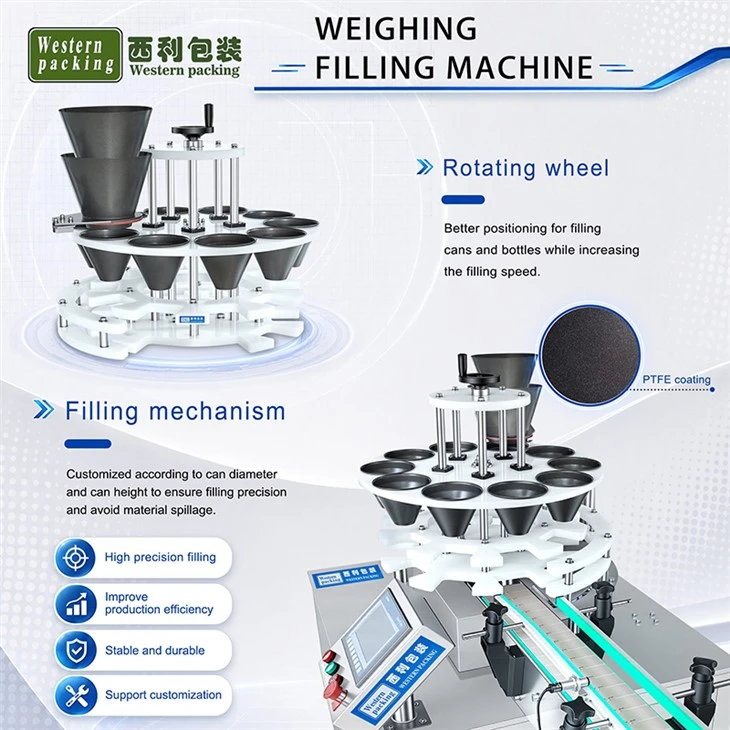
Now, what actually goes into customizing a candy filling machine? Let’s start with the most obvious (and most requested) stuff: filling type. Candy fillings aren’t a one-size-fits-all thing. There’s liquid stuff—fruit purees, liquid chocolate, even liqueur centers. There’s semi-solid—caramel, fondant, nut butter. There’s even solid fillings, like mini M&Ms or crushed pretzels, that get dropped into the candy shell before sealing. For a long time, generic machines were built for liquid fillings, but if you’re dealing with thick, viscous caramel? You need a different pump. Same if you’re dealing with lumpy, chunky fillings—standard gear pumps get clogged, so you need a progressive cavity pump that’s gentler and moves stuff without shearing it (shearing caramel makes it grainy, by the way—trust me, I’ve tasted enough bad candy to know).
That’s not the only customization point. Packaging is huge too. Not all candy is the same size or shape. If you’re making mini gummy bears, you need a filling nozzle that fits into a tiny cavity without smearing the bear’s shape. If you’re making giant chocolate eggs with a molten center, you need a nozzle that can dispense a lot of filling quickly without breaking the shell. And don’t forget packaging type: some candies are molded, some are extruded, some are enrobed in chocolate before filling. Each of those steps needs tweaking. For example, a molded candy machine has cavities that are pre-formed, so we can adjust the filling timing to hit the exact middle of each cavity, no overfill or underfill. Extruded candies, like those rope-shaped caramels with filling running through the center, need a twin-screw extruder with a dedicated filling channel—generic machines usually don’t have that.
Wait, and I can’t skip the production speed part. If you’re a small brand doing 500 units a day, you don’t need a machine that does 10,000 an hour (it’ll just sit in your warehouse, useless, and waste electricity). But if you’re scaling up to 50,000 units a day, you need a machine that can keep up without sacrificing accuracy. Generic machines are usually built for a middle speed, so customization here might mean adjusting the motor, the conveyor belt speed, or even adding a feeding system that syncs with the filler—so one part doesn’t lag behind the other and cause jams. I had a client who started small with 1,000 units an hour, then scaled to 8,000, and we reconfigured their machine’s control panel to sync with their new molding line—no need to buy a whole new machine, just a tweak. That’s the beauty of customization that’s actually thought out, not just a sales pitch.
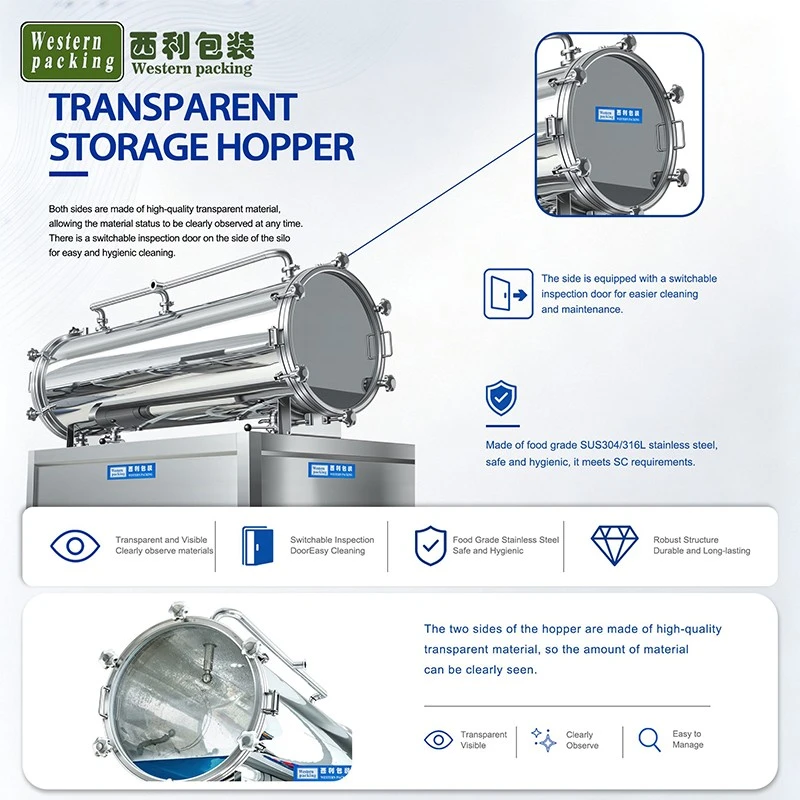
Now, let’s talk about the stuff that’s less obvious, but makes a huge difference. Sanitary standards. Food and beverage equipment has to meet FDA, EU food safety rules, right? If your filling has nuts, you need the machine to be easy to disassemble and sanitize between runs—no hard-to-reach crevices where almond butter can get stuck and cross-contaminate. Generic machines often have hidden gaps, so we can add quick-disconnect fittings for all food-contact parts, and make sure every surface is smooth (no sharp edges, no welds that can trap crumbs). That’s not something you’ll see on a product page, but it’s the difference between passing a health inspection and getting a warning letter.
Another less obvious point: compatibility with other equipment. A candy filling machine doesn’t exist in a vacuum. You might have a depositor that makes the candy shells, a conveyor belt that moves them, a sealer that tops them off, a cooler that hardens them. If your filling machine can’t talk to the other machines (or “sync,” as we tech folks say), you’ll have bottlenecks. For example, if your depositor makes a shell every 2 seconds, but your filler can only fill one every 5 seconds, you’re going to have shells piling up, which can make them dry out or deform. We can customize the machine’s logic system to sync with your existing line—so all parts work together like a well-oiled (but food-safe) machine. I’ve worked with food packaging equipment suppliers for laundry detergent filling machine, cream lotion filling capping machine, shampoo bottle filling machine, cosmetic liquid filling machine, and even sugar filling machine—so we know how to make our candy filler work in a whole production ecosystem, not just on its own. That cross-industry knowledge actually helps, because some of the automation tricks from liquid or cosmetic filling can be adapted for candy.
Wait, let’s address the elephant in the room: cost. A lot of new candy makers hear “customized” and think it’s going to blow their budget. And yeah, if you go overboard with 10 extra features you don’t need, it will. But here’s the thing: a well-done customization is usually cheaper than buying three generic machines to try to solve your problems, or dealing with lost product from a generic machine that can’t do what you need. I once had a client who bought a generic machine for $12,000, spent another $5,000 modifying parts themselves (badly), and still couldn’t get their caramel filling right. We customized a machine for $15,000, and they had zero downtime, no wasted product, and hit their production target in 2 weeks instead of 2 months. That’s a no-brainer. The key is to only ask for customizations that actually solve your specific pain points, not just cool-sounding add-ons.
Let’s also clear up a common myth: you don’t need to be a huge brand to get a customized machine. I’ve worked with craft candy makers with a $50,000 startup budget, and we built them a small, customized machine that does exactly what they need—filling, say, fruit puree into hard candy shells, with easy disassembly for weekend batches. It’s not the biggest, but it’s perfect for their needs. The biggest candy companies work with us too, because they need to switch between 10 different fillings and SKUs without downtime—something generic machines can’t handle. So customization is for every size, not just the Fortune 500 candy brands.
So, what’s the process like, if you’re thinking about getting a customized candy filling machine? Let me walk you through the steps, real talk, no sales jargon. First, figure out exactly what you need. Don’t say “I want a filling machine for candy.” Say “I make 2,000 peanut butter-filled truffles a day, my peanut butter is 80% solids, I need to switch to caramel for holiday batches, my shells are 2mm thick, and I need to sanitize between runs in 10 minutes.” The more specific you are, the better. Second, find a supplier that actually has experience with candy filling, not just generic filling machines. A supplier that works with food-grade equipment, understands different fill viscosities, and has worked with small and big clients. Third, ask for a prototype or a test run. Any good supplier will let you send a sample of your filling and product to test on their custom machine, so you can see if it works before you buy. Finally, make sure they offer post-purchase support—because even customized machines need tweaks after a few months of use. You don’t want to be stuck with a machine that breaks and no one can fix it.
Wait, let’s circle back to that opening question: “Can a candy filling machine be customized?” If you’ve read this far, you know the answer is a resounding yes. But it’s not a one-size-fits-all customization—it’s a customization that’s tailored to your product, your production pace, your budget, and your long-term goals. Generic machines are great if you’re making the same candy forever, but if you’re growing your brand, experimenting with new flavors, or dealing with unique fillings or packaging, customization is what will set you apart. It’ll reduce waste, speed up production, and let you make the exact candy your customers want, without compromising quality.
If you’re at that point where your current machine is holding you back, or you’re ready to launch a new line and need something that can keep up, don’t settle for generic. A customized candy filling machine isn’t just a piece of equipment—it’s a tool that grows with your brand, and helps you make better candy, faster.
If you want to chat through your specific needs, test some samples, or get a quote for a customized machine, feel free to reach out. We’ve worked with craft makers and big brands, solved everything from leaking fillings to production bottlenecks, and make sure every machine is built to fit your candy, not the other way around.
References
- Food and Drug Administration. (2023). Food Equipment Sanitation Standards. Retrieved from fda.gov/food/sanitation-equipment
- Confectionery Production Magazine. (2022). Custom Filling Solutions for Artisanal and Large-Scale Candy Makers. Retrieved from confectioneryproduction.com/custom-filling
- International Society of Automation. (2021). Syncing Packaging Equipment for Efficient Production Lines. Retrieved from isa.org/packaging-sync