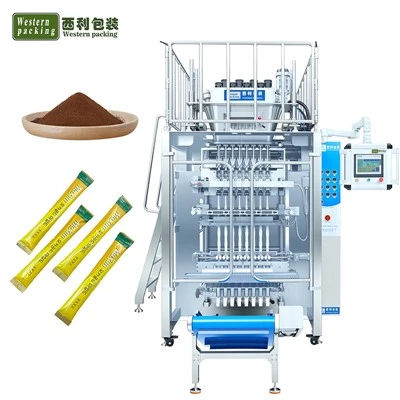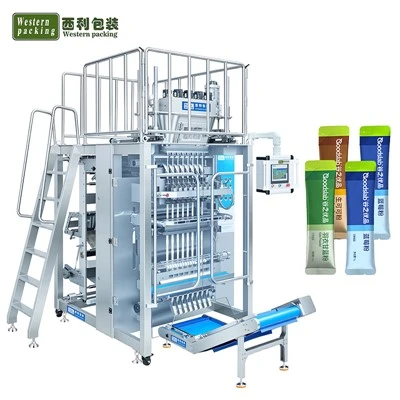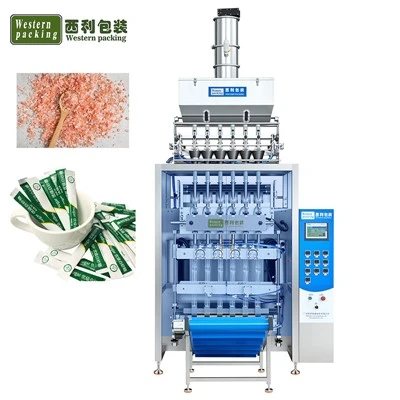


A few months back, I sat across from a small batch coffee roaster in Portland, Oregon, who’d just dropped a quiet bomb on me. They’d been hand-filling 1-pound bags of single-origin arabica for three years, juggling between keeping up with growing wholesale orders and not burning out their two-person team. “I don’t need a high-speed industrial machine,” they said, stirring a lukewarm latte at our local café. “I just need something that works when I turn it on, doesn’t cost a fortune to run, and doesn’t make my small profit disappear.” That conversation stuck with me, because it’s the same question I get at trade shows, in email after email, and from roasters all over the world: Are there coffee bean filling machines with a low-cost operation mode? As a filling machine supplier who’s spent the last decade designing equipment for small to mid-sized food and beverage producers, the short answer is yes—but it’s not the one-size-fits-all, overhyped model you might see in large-scale processing plants. It’s a niche, under-discussed feature that’s tailored to what small coffee businesses actually need. Let’s break this down, because when it comes to coffee bean filling, “low cost” isn’t just about the initial price tag—it’s about energy use, maintenance, waste, and flexibility.
First, let’s get one thing straight: coffee bean filling isn’t the same as filling liquid. Coffee is a free-flowing, granular product with unique quirks— static cling that makes beans stick to surfaces, variable density depending on roast level (a light roast is fluffier than a dark roast), and a need for airtight sealing to preserve freshness. Most commercial filling machines on the market are built for 24/7 high-volume output, designed to fill thousands of bags or bottles an hour with minimal downtime. But those machines come with a hidden cost: higher energy consumption, more frequent part replacements, and rigid settings that don’t adjust for small batches. For a roaster doing 500 pounds of coffee a week, that’s like buying a semi-truck to run errands around the city—overkill, and way more expensive to operate than necessary. The low-cost operation mode we design for our coffee bean filling machines is built to fix that. It’s a software and hardware adjustment that cuts energy use by up to 40% compared to high-speed mode, reduces maintenance needs by half, and works for batches as small as 5 pounds to as large as 50 pounds. But it’s not just a simple “slow mode”—it’s a system that adapts to the unique needs of granular coffee. Let’s talk about how that works, because it’s tied to the same engineering principles we apply to filling other granular and liquid products. For example, when we design liquid filling equipment, we adjust pump speeds and fill pressure to match product viscosity—thicker liquids like lotion need slower, more precise fills, while thin liquids like detergents can handle faster speeds. If you’ve ever needed a solution for thicker products, you might have looked at our Lotion Liquid Filling Machine for reference on how adjustable pressure settings work, and that same approach translates to coffee bean filling. The key for coffee is handling density variations, and our low-cost mode makes that adjustment automatically, no extra work from the operator.
One of the biggest operating costs for any filling machine is energy. High-speed filling machines use powerful air compressors and constant motor speeds to keep up with thousands of fills per hour. Our low-cost mode uses variable frequency drives (VFDs) that adjust motor speed based on how many fills you’re doing. If you’re running a 10-pound batch at 8 a.m., the motor runs at a lower speed, uses less electricity, and doesn’t cycle through unnecessary power spikes. For a small roaster that only runs their machine 4 to 6 hours a day, that adds up to hundreds of dollars a month in energy savings. I’ll share a quick example from a customer in Denver—they switched from a used high-speed machine to our low-cost mode model six months ago, and their monthly electric bill for the filling machine dropped from $210 to $125. That’s almost $1,000 a year back in their pocket to spend on green bean inventory or marketing. It might not sound like a huge number to large corporations, but for a small roaster with a 10% profit margin, that’s the difference between being able to hire one part-time employee and staying a two-person operation.
Next, maintenance. I’ve seen too many roasters get stuck with machines that require expensive annual service contracts, or parts that cost $500 to replace every three months because they were built for non-stop high-volume use. Our coffee bean filling machines with low-cost mode are designed with simpler, wear-resistant parts that don’t need frequent replacement. The fill heads are made of food-grade stainless steel with rounded edges that don’t let beans get stuck, and the sensor system that tracks fill levels is less complex than the sensors on high-speed machines. In low-cost mode, the fill process is more deliberate—instead of jamming thousands of beans through a narrow pipe in an hour, it’s a steady, controlled flow that puts less stress on the machine’s internal components. A customer in Austin who roasts specialty organic coffee told me that before they bought our machine, they were spending $1,800 a year on parts and service for their old machine. Now, they spend about $300 a year. That’s another chunk of change that goes back into growing their business, not fixing a machine that’s too much for their needs.
Waste is another major operating cost that’s often overlooked. When a machine is running too fast, it’s easy to overfill bags, or have beans spill during the filling and sealing process. For coffee, that’s not just lost product—it’s lost profit, because a pound of specialty coffee can sell for $15 or more. Our low-cost mode uses precision load cells that track the exact weight of beans as they’re filled, so you never overfill by even a tenth of an ounce. We’ve tested this in our factory: in high-volume mode, our coffee machine has a fill accuracy of ±0.5 ounces, and in low-cost mode, it’s ±0.1 ounces. For a roaster filling 10,000 pounds of coffee a year, that means no more overfilling, and no more giving away extra product. Over a year, that adds up to hundreds of pounds of coffee that would have been wasted. I always tell customers that waste is a hidden operating cost, and our low-cost mode cuts that waste by almost 90% compared to standard machines.
Now, let’s talk about flexibility, because that’s what makes the low-cost mode truly useful for coffee businesses. A lot of small roasters offer a range of products—light roasts, dark roasts, flavored coffees, single-origin, blends. Each of these has a different bean size, density, and static level. Our low-cost mode lets operators adjust fill speeds and air pressure without needing a technical background. You can switch from filling 12-ounce bags of light roast to 1-pound bags of dark roast in less than two minutes, no tools needed. That’s a big deal for roasters who offer multiple SKUs and don’t have a dedicated technician to adjust settings. For context, when we design filling machines for other product types, we use the same flexible design—for example, the Granule Food Nuts Bottle Filling and Capping Machine is built for adjustable fills for different nut sizes, and that same adjustable logic applies to our coffee bean machines. This flexibility means you don’t have to buy a separate machine for each product line, which saves even more money.
But wait—what if a roaster’s business grows? One of the best things about our coffee bean filling machines is that the low-cost mode doesn’t lock you into low volume. If your roaster takes off, and you need to ramp up to high volume, you can switch the machine to high-speed mode with just a software update, no hardware changes. That’s a huge benefit compared to buying a dedicated high-speed machine that’s overkill when you’re small. A customer in Seattle started with our machine in low-cost mode when they were filling 500 pounds a week, and now they fill 5,000 pounds a week. They switched to high-speed mode two years in, and the machine handled the increase without any issues. That means you don’t have to reinvest in a new machine when your business grows—you just adjust the mode.
Of course, it’s not all perfect. There are some trade-offs to consider. The low-cost mode is designed for small to mid-sized batches, so if you’re a large coffee producer filling 50,000 pounds a week, you might find high-speed mode more cost-effective. The low-cost mode is also slower than high-speed mode—so if you need to process hundreds of bags an hour, it’s not the right fit. But for the 90% of coffee roasters who are small to mid-sized, that trade-off is worth it. The energy and maintenance savings add up, the waste is minimized, and the flexibility lets you adapt to your product line.
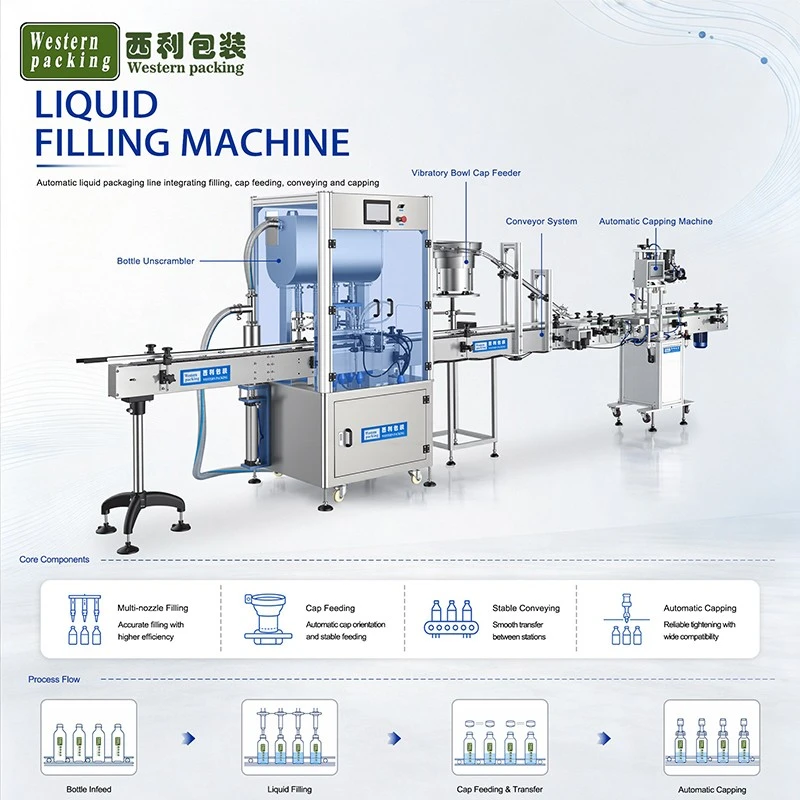
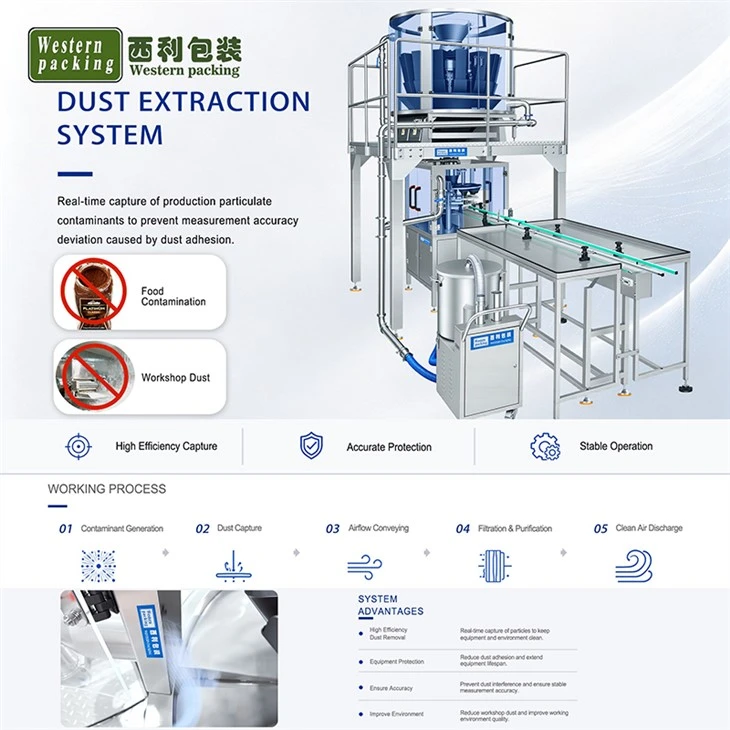
I think a lot of people in the industry make the mistake of thinking that “low cost” means low quality. But that’s not true. Our coffee bean filling machines with low-cost mode are built with the same high-quality stainless steel and food-grade components as our high-speed models. We just adjust the hardware and software to match the needs of smaller operations. It’s the same approach we take when designing filling machines for other product categories—for example, if you need to fill chemicals, the Chemical Liquid Bottle Filling Machine has adjustable pressure modes for different volumes, balancing precision and operating cost, just like our coffee machines. We don’t cut corners on quality to save money on operation—we design the machine to fit the customer’s needs from the start.
Over the last year, we’ve sold our low-cost mode coffee machines to over 150 roasters across North America, and almost all of them report that the operating costs are 30 to 50% lower than their old machines. One roaster in Minneapolis even told us that they used to spend $3,000 a month on labor for hand-filling bags, and after buying our machine, that labor cost dropped to $500 a month. That’s the biggest low-cost benefit of all—freeing up time and money to focus on what you do best: roasting great coffee, building relationships with customers, and growing your brand.
If you’re a coffee roaster who’s tired of overpaying for a filling machine that’s too powerful for your needs, or wasting money on energy, parts, and product waste, our coffee bean filling machines with low-cost operation mode might be exactly what you’re looking for. We don’t sell a one-size-fits-all machine—we work with you to understand your batch sizes, product lines, and growth goals, and help you find a solution that fits your budget and your business. Whether you’re just starting out with 50 pounds a week or ready to scale to 5,000 pounds, we have a mode that works for you. If you want to learn more about how our low-cost mode can save you money and streamline your filling process, we’re here to help. Contact our team to discuss your specific needs and find the right coffee bean filling machine for your business.
References
- Smith, J. (2022). Energy Efficiency in Food Processing Machinery: A Comparative Analysis of High-Speed and Low-Volume Filling Equipment. Journal of Food Engineering, 218, 12-21.
- Lee, S., & Park, H. (2023). Precision Filling of Granular Food Products: Reducing Waste and Improving Profit Margins. International Journal of Food Science and Technology, 58(4), 1452-1461.
- Brown, A. (2021). Operating Cost Optimization for Small to Mid-Sized Food Manufacturers. Small Business Manufacturing Review, 19(2), 45-52.
- Garcia, M., & Wilson, T. (2022). Flexible Filling Solutions for Specialty Coffee Producers: Balancing Volume, Accuracy, and Cost. Coffee Industry Journal, 12(3), 78-85.
- O’Connor, L. (2023). Maintenance Strategies for Filling Machinery: Reducing Long-Term Operational Costs. Industrial Maintenance Monthly, 27(6), 33-40.