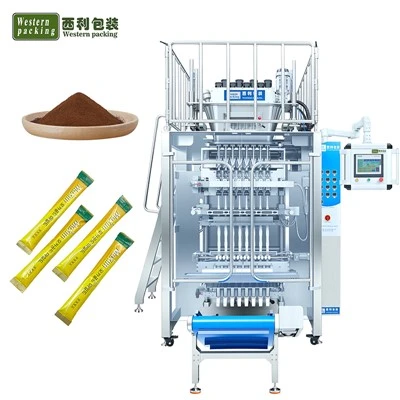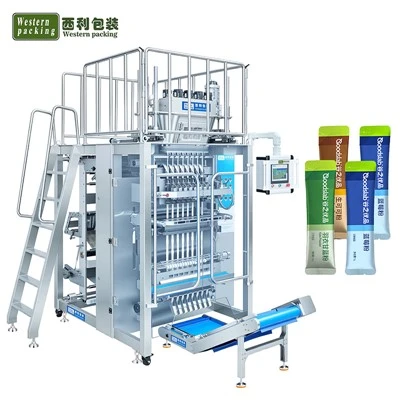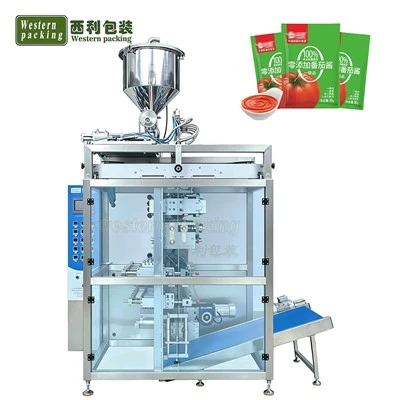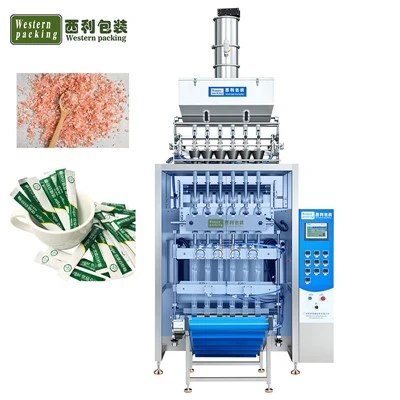


As industries such as food, beverages, tea, coffee, condiments, and daily chemicals continue to increase their level of automation, vertical packaging machines have become a common solution for continuous packaging operations. To maintain reliable performance and reduce the risk of equipment problems, manufacturers should pay close attention to installation, parameter settings, material compatibility, and routine maintenance.
Before putting the machine into production, operators should inspect the installation and all major connections. The machine should be placed securely, while the power supply and electrical connections should be checked to ensure they are properly installed. Packaging film, dosing components, and sealing mechanisms should also be inspected before operation. A thorough inspection is particularly important when the machine is being started for the first time or after an extended period of downtime.
The choice of packaging material is another important consideration. Different films vary in thickness, composition, and heat-sealing characteristics. If the selected film does not match the machine settings, problems such as unstable bag forming, weak seals, or inconsistent package appearance may occur. Before full-scale production, operators should adjust parameters such as sealing temperature, bag length, and operating speed according to the properties of the packaging material and confirm the results through trial runs.
Product characteristics can also affect packaging stability. Granules, powders, and liquids have different flow properties, densities, and dosing requirements. The appropriate feeding and measuring system should therefore be selected for the specific product. During production, a stable material supply is also important because uneven feeding or blockages can affect packaging speed and dosing accuracy.

Operators should monitor key processes such as film feeding, sealing, cutting, and product dosing while the machine is running. If unusual noise, film misalignment, poor sealing, or dosing problems are detected, the machine should be stopped for inspection. Faults should not be addressed directly while the equipment is operating at high speed. Maintenance involving electrical, heating, or moving components should always follow the equipment manufacturer's instructions and applicable safety procedures.
Routine maintenance is equally important. After production, the machine should be cleaned promptly, particularly around the exterior and areas that come into contact with the product. Wear parts, drive components, and sealing mechanisms should be inspected regularly, while lubrication and adjustments should be carried out according to the machine's maintenance requirements. Keeping the equipment clean and properly maintained can help extend its service life and reduce unexpected downtime.
Guangzhou Western Packing Co., Limited specializes in packaging machinery and related packaging materials, providing automated packaging equipment for products such as granules and liquids. When operating this type of equipment, manufacturers should establish appropriate operating and maintenance procedures based on the specific machine model and product characteristics.
Overall, proper installation, suitable machine settings, compatible packaging materials, a stable product supply, and regular maintenance are essential for reliable vertical packaging machine performance. Through standardized operation and effective equipment management, manufacturers can make better use of automated packaging technology and maintain efficient production.