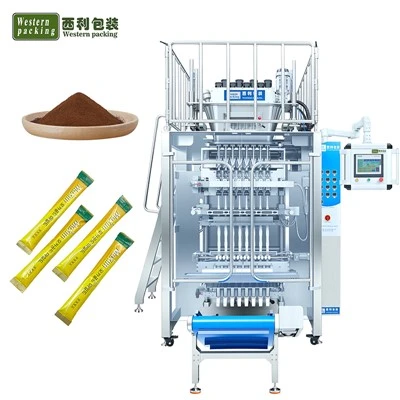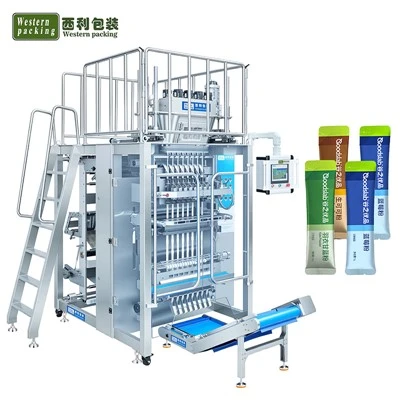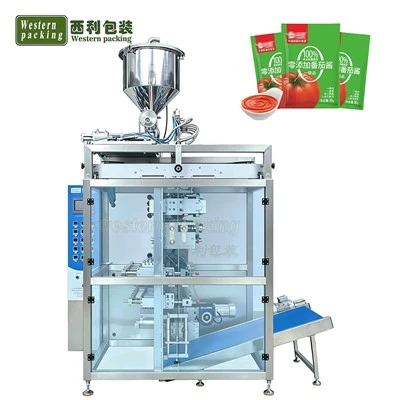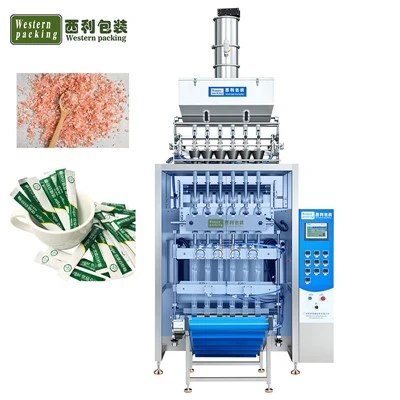


As tea consumption continues to evolve, products such as tea bags, single-serve tea packages, tea powder, and convenient tea beverages are creating increasingly diverse packaging requirements. The design of modern tea packaging machines therefore goes beyond basic packaging functions. Greater attention is being given to production efficiency, package consistency, equipment reliability, and ease of operation. Through thoughtful mechanical design and automation, these machines can better accommodate the needs of different tea products.
Efficient production is one of the central principles in tea packaging machine design. Modern equipment integrates feeding, dosing, bag forming, filling, sealing, and cutting into a coordinated process. By carefully synchronizing the operating cycles of each functional unit, the machine can minimize unnecessary waiting and repetitive operations, supporting higher productivity in continuous tea packaging applications.
Reliability is another key consideration. Tea leaves can vary considerably in shape and bulk density, which may affect feeding and dosing performance. Machine designers therefore need to consider the interaction between the feeding system, dosing mechanism, and drive components. A well-coordinated design can help reduce issues such as inconsistent feeding, unstable film movement, and package misalignment during operation.
Flexibility is also becoming increasingly important. Different tea products may require different package sizes and packaging materials, so modern machines should provide sufficient adjustment capability. Parameters such as bag length, operating speed, product quantity, and sealing conditions can be adjusted to accommodate different production requirements. Forming and sealing systems should also be designed to work with materials such as filter paper, laminated film, and specialized tea packaging film.

Ease of operation is another important aspect of practical machine design. A clear control interface and intuitive operating system can make it easier for operators to configure and adjust production parameters. Machine components should also be arranged to facilitate routine cleaning, inspection, and replacement of wear parts, helping simplify daily operation and maintenance.
In addition, tea packaging machines should be designed with long-term maintenance and production conditions in mind. A modular structure can make inspection and servicing more convenient while allowing manufacturers to adjust equipment configurations as product requirements change.
Guangzhou Western Packing Co., Limited specializes in packaging machinery and related packaging materials, providing equipment and packaging solutions for different automated packaging applications. Its equipment can be configured according to product characteristics, package specifications, and packaging material requirements, helping tea manufacturers optimize their packaging processes.
Overall, the design philosophy of modern tea packaging machines centers on efficiency, reliability, flexibility, ease of operation, and maintainability. As tea manufacturers continue to adopt automated production methods, equipment design is expected to focus increasingly on practical application requirements and provide more dependable support for modern tea packaging operations.