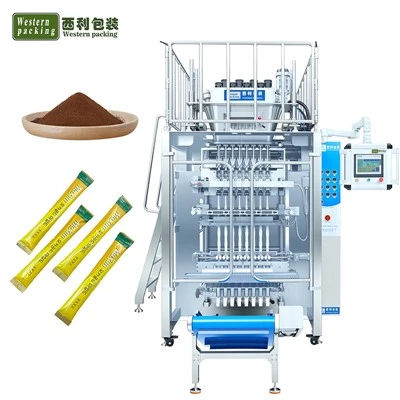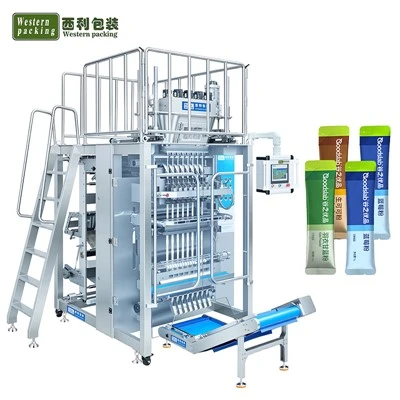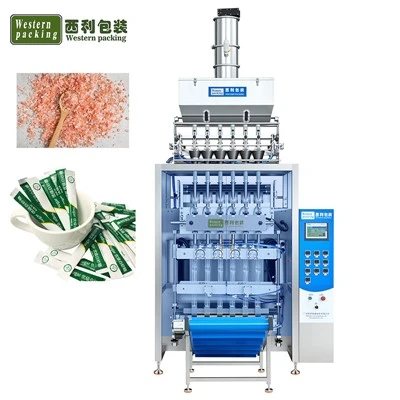


Hey there, if you’re in the business of packing powdered drinks, single-dose sugar, protein sticks, or even those tiny travel-sized skincare sachets, you’ve probably googled “what’s the price of a stick sachet cartoning machine” at least once. As a supplier who’s worked with dozens of food and personal care brands over the past 8 years, I get it—this isn’t just a random number you pull out of thin air. The price of a stick sachet cartoning machine depends on way more than just how it looks; it hinges on what you actually need it to do, how fast you need it to run, and how much downtime you can afford. Let’s break this down like I’d chat with a new client over a coffee, no jargon, just real numbers and real context.
First off, let’s make sure we’re on the same page: a stick sachet cartoning machine isn’t just a sachet filler. It takes those pre-made stick sachets, folds them into a flat carton (usually for shipping, retail display, or to bundle multiple sachets for bulk purchases), seals the carton, and can even stuff in leaflets if you need product info. If you’re just starting out with a small batch of coffee stick sachets, you don’t need the same machine as a huge snack brand pumping out 10,000 sachets an hour. That’s the biggest variable—your production scale.
Let’s start with the lower end of the price range, because that’s where a lot of new players begin. If you’re a startup or a small local brand doing under 5,000 sticks per hour, you’re looking at semi-automatic machines in the $15,000 to $35,000 range. Semi-automatic means you (or a staff member) load the stick sachets manually into the machine’s feeder, and it handles the carton folding and sealing. These are great if you’re testing the waters—you don’t have to sink a ton of cash upfront, and they’re way easier to maintain than full automatic models. Wait, but let’s be real: there are some entry-level models on Alibaba or Amazon that are listed for under $10k, but let’s call those out. A lot of those off-brand machines skip critical features like adjustable carton size, which means if you ever want to switch from 2g coffee sticks to 5g sugar sticks, you’re stuck. They also have way lower uptime—like, if a part breaks, you have to wait weeks for a replacement, and parts don’t even cross over with reputable brands. So I usually warn clients to steer clear of those rock-bottom options unless it’s a tiny side project, not their main line. The semi-automatic range I quoted earlier is for reliable, customizable machines that will last you 5+ years, not 12 months.
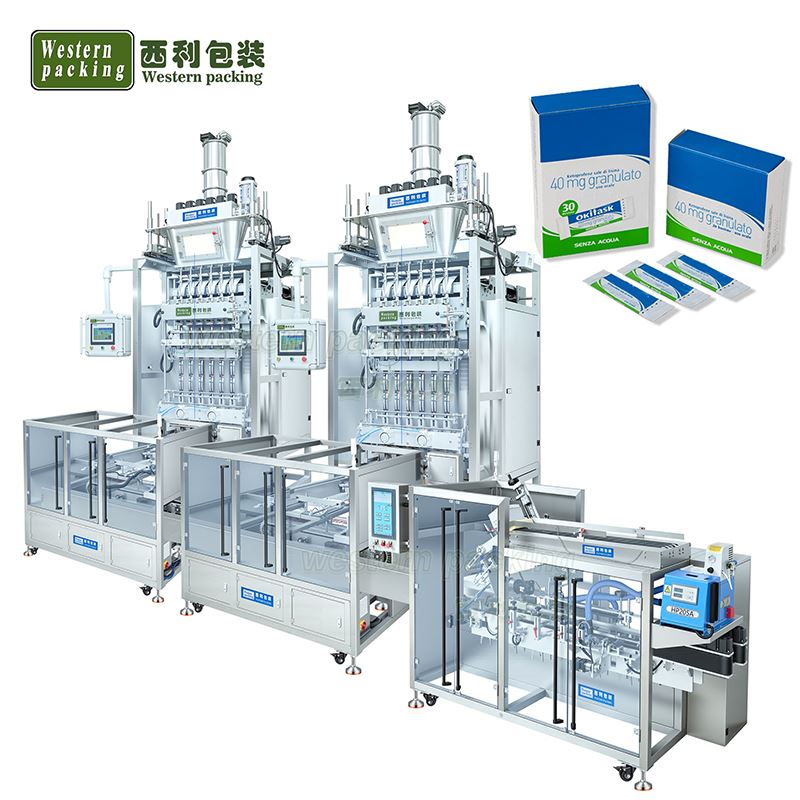
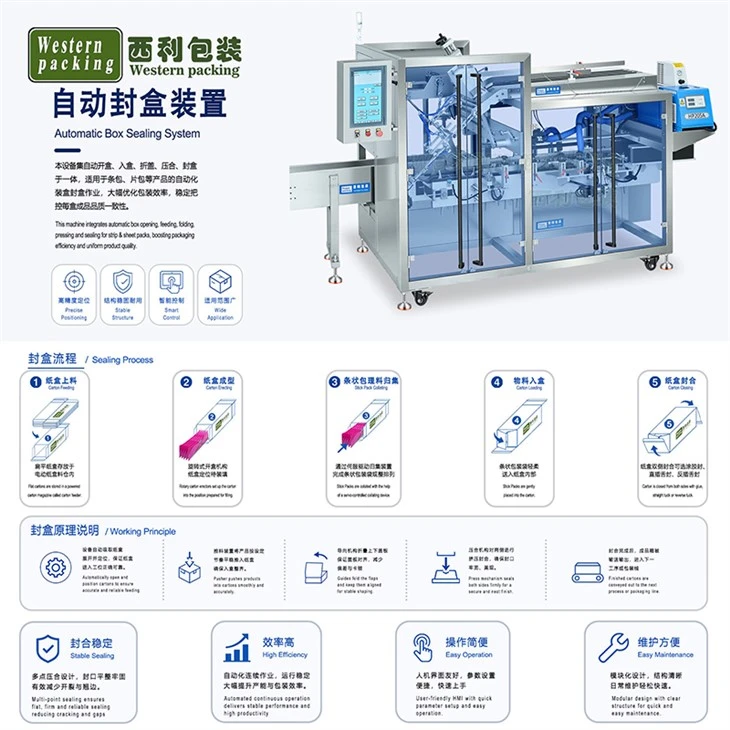
Now, the mid-range. This is where most growing brands land, between $35,000 and $75,000. These are fully automatic stick sachet cartoning machines, with speeds from 5,000 to 15,000 sticks per hour. The big upgrade here is that the machine loads the stick sachets all on its own—no manual labor needed there, which cuts down on labor costs and human error. What else do you get here? Adjustable carton size is standard (so you can do 2-stick or 4-stick bundles without reconfiguring every part), and they integrate easily with existing sachet filling machines. A lot of my clients who move into this range are brands that went from farmers markets or local cafes to getting shelf space in grocery stores. For example, a protein bar stick brand I worked with last year started with a semi-auto, did 3k sticks/hour, then when they hit 20k in weekly sales, upgraded to a mid-range model. They saved $12k upfront vs buying a top-tier machine and didn’t have to retrain their whole team since the mid-range was simpler to operate. Also, if you need to add leaflet insertion or code printing for batch tracking, most of these mid-range models can be modified with those features for an extra $2k to $5k, which is way cheaper than buying a custom high-end machine right away.
Then there’s the high-end commercial and industrial models, which run from $75,000 up to $200,000+ and way beyond, depending on customization. These are for big national or global brands, with speeds over 15,000 sticks per hour—some can hit 50k, if you’re packing like 100 different SKUs for a multi-brand retail chain. What makes these worth the price? They’re built for 24/7 operation, so uptime is like 98% vs 85% for mid-range. They can handle super specific requests, like working with unconventional carton sizes (if you need a tall, narrow carton for skincare sachets, for example) or integrating with your entire production line and ERP system, so you can track every carton from packaging to delivery. One of my clients is a big instant noodle seasoning brand that uses a high-end stick sachet cartoning machine to pack their soup flavor sticks. They process 1.2 million sticks a month, and the machine’s speed cuts down their production time by 30% compared to the mid-range model they used before. The only downside here? You need a dedicated operator to run it, and maintenance is a bit more involved, but for big brands, the increased output and lower labor costs usually offset the price within a couple years.
Wait, but there are other factors that can shift the price way outside these ranges, right? Let’s get into the fine print, because this is where a lot of clients get sticker shock when they see the final quote. First, automation and speed—like I said, that’s the big one, but smaller stuff matters too. For example, if you need the machine to work with a specific carton material (like recycled cardboard, which is popular now for eco-friendly brands), some machines have extra sensors to handle thinner or thicker recycled stock, which adds 10-15% to the base price. Another big one is integration: if you’re already using a Sachet Cartoner from another supplier, matching the cartoning machine to fit that specific sachet’s size and output might require custom modifications. That’s why so many of my clients come to me when they’re researching the Stick Sachet Cartoning Machine, because we can design a whole line that works seamlessly together, no compatibility issues. Also, after-sales support: a lot of budget machines don’t come with on-site installation or training, so you might have to pay a local technician $2k+ to set it up, plus $50/hour for repairs. Our mid and high-end models include free on-site installation for orders over $40k, and a 12-month warranty with 24/7 technical support, which is a big part of the value, not just the machine itself.
Another thing I see all the time is people mixing up terms. A lot of new packaging people search for “Sachet Cartoning Machine” and “Cartonator Packing Machine” like they’re different, but honestly? For stick sachets, they’re used interchangeably, though a Cartonator Packing Machine is usually a bit more modular, so you can switch between sachets of different shapes (stick, pillow, flat) easier. That’s a good feature if you sell both stick coffee sachets and flat sugar sachets, for example. Our line of Stick Sachet Cartoning Machine is specifically tuned for the narrow, elongated shape of stick sachets, so you don’t get jams from misaligned sticks, which is a common issue with generic Sachet Cartoning Machine that’s not optimized for stick shapes.
Wait, let’s talk about used machines too, because some brands look to those to save money. You can find used stick sachet cartoning machines for $8k to $25k, but I have to warn you—this is a risky move unless you know exactly what you’re doing. A lot of used machines have hidden wear and tear: the feed rollers might be worn, the sensors might be outdated, and parts might be hard to find if the original supplier is out of business. I had a client a couple years ago who bought a used mid-range machine for $18k, and within 6 months, a main gear broke. The part cost $3,500, and he had to wait 3 weeks to get it from a random supplier, so he lost 2 weeks of production time. That ended up costing him more than if he’d bought a new entry-level machine from a reputable supplier. So used machines can be a great deal if you’re buying from a trusted dealer who inspects it and offers a limited warranty, but they’re not for most small to mid-sized brands.
Also, don’t forget about ROI. Let’s do a quick math example for a mid-range machine that’s $50k. If you’re saving 2 hours a day of manual labor (at $15/hour per staff member), that’s $15,600 a year in labor costs. Plus, less sachet jams mean less wasted product—say $5k a year in saved material. That’s $20,600 a year in savings, so you’ll pay off the machine in about 2.5 years. For a high-end machine at $120k, if you’re processing 100k more sticks a month than your old machine, that’s $40k a year in extra revenue from increased output, so payoff is even faster. That’s why it’s not just about the upfront price—it’s about what the machine can do for your bottom line.
Now, let’s wrap this up so you know how to figure out what’s right for you. First, ask yourself: how many stick sachets do I need to pack per hour, and will that number grow in the next 3 years? If you’re at 5k/hour now and growing to 10k in a year, skip the entry-level semi-auto and go for the mid-range. Second, do I need customization, like eco-friendly cartons, leaflet insertion, or integration with my existing line? That will push you to mid or high-end. Third, how much support do I need? If you’re new to packaging, a supplier that offers training and on-site support is worth paying a bit more than one that just sends you the machine and says good luck.
If you’re ready to stop guessing and get a real quote that fits your needs, I’m here to help. We’ve worked with over 200 brands, from startup coffee roasters to global personal care companies, to find the right Stick Sachet Cartoning Machine that doesn’t break the bank and actually delivers on speed and reliability. Whether you’re looking for a basic semi-auto for your small test batch, a fully automatic Sachet Cartoning Machine to scale your sales, or a custom Cartonator Packing Machine for a unique product, we can tailor a solution for you. Hit us up to chat through your specific needs, no pressure, just honest advice.
References
- Global Packaging Machinery Association. (2024). Industrial Packaging Equipment Pricing Benchmark Report.
- Food and Drug Administration. (2023). Guidelines for Automated Packaging Equipment in Food Manufacturing.
- Personal Care Products Council. (2024). Sustainable Packaging Solutions for Small-Dose Personal Care Products.
- Smith, J. (2023). "ROI Analysis of Automated Cartoning Equipment for Mid-Size CPG Brands." Packaging Technology Today.