

Hey there! If you’re running a packaging operation—whether it’s for snacks, pharma sticks, small hardware parts, or even cosmetics—you’ve probably watched a high-speed cartoning machine work and wondered how it locks those cartons so tight, no tape comes loose later, and it’s cranking out hundreds (or even thousands) every minute. As someone who’s been part of the team supplying these machines for years, I get that question all the time from customers who’re tired of slow, inconsistent sealing that causes line jams, product waste, or returns. Today, I’m breaking down exactly how that tape-sealing magic happens, straight from the shop floor where our engineers test every unit, no fancy jargon promise.
First off, let’s start with why tape sealing is such a big deal for high-speed lines. Sure, some cartoners use glue, but glue dries slow, needs extra setup for humidity, and can mess with sensitive products like food or meds. Tape? It’s fast, adjustable, works for almost any carton material (cardboard, corrugated, even lightweight plastic cartons), and easy to swap out when you need a different tape type—like hot-melt acrylic for cold warehouses or pressure-sensitive acrylic for regular lines. That’s why our customers go for a High Speed Cartoning Machine (/cartoning-machine/high-speed-cartoning-machine.html) over slower, lower-tech models for their high-volume runs. But how does that tape actually get applied right, every single time?
Let’s walk through the process step by step, because it’s not just “sticking tape on a box”—it’s choreographed perfectly to the carton’s speed and size. First, the machine’s timeline. High-speed cartoning doesn’t wait for anything—each carton moves on a continuous conveyor chain, so every part of the sealing system has to sync with the carton’s exact position, speed, and flap orientation. If the timing’s off by even a fraction of a second, the tape either stretches too much, doesn’t reach the flap, or gets applied crookedly, which causes jams. Our engineers build in servo motors here—those are smart, self-correcting motors that adjust speed in real time. That’s way better than old pneumatic setups, which are slower and less precise.
First stop before sealing: the carton preparation. The machine doesn’t just spit out a random flat cardboard blank; it has a whole sequence for forming the carton, loading products, and folding the flaps before tape even touches it. For example, if you’re packaging stick bags (like single-serve coffee creamer or protein powder sticks), the line will first count those sticks, place them into the carton blank, then fold the front and back flaps closed. That’s where our Stick Bag Cartoning Machine (/cartoning-machine/stick-bag-cartoning-machine.html) shines—its counting system uses optical sensors to make sure no sticks are missing, so the carton is the right size for sealing flaps. If the flap isn’t folded all the way tight, the tape won’t stick properly, so this prep step is make-or-break. We’ve seen customers skip this small detail and end up with 2% of cartons leaking during shipping—total waste.
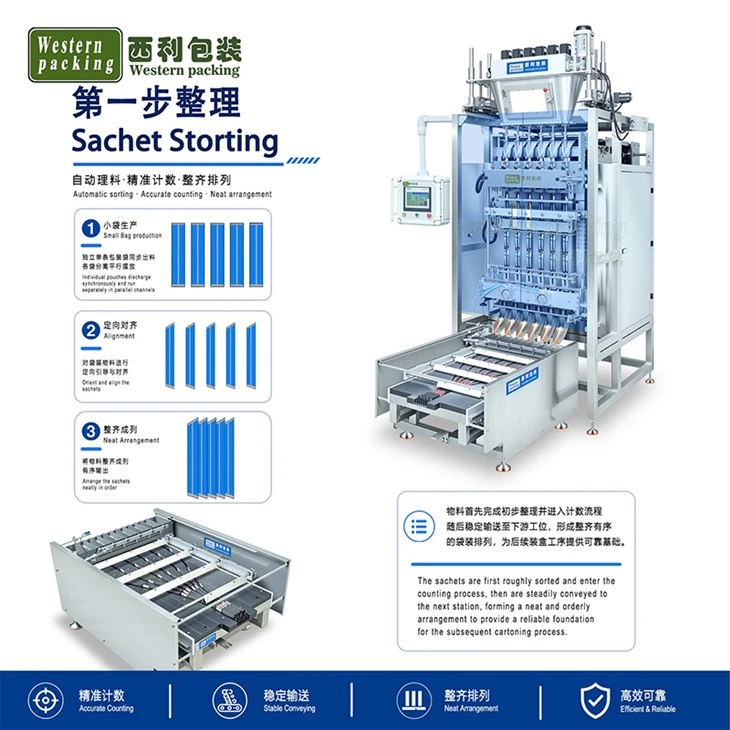
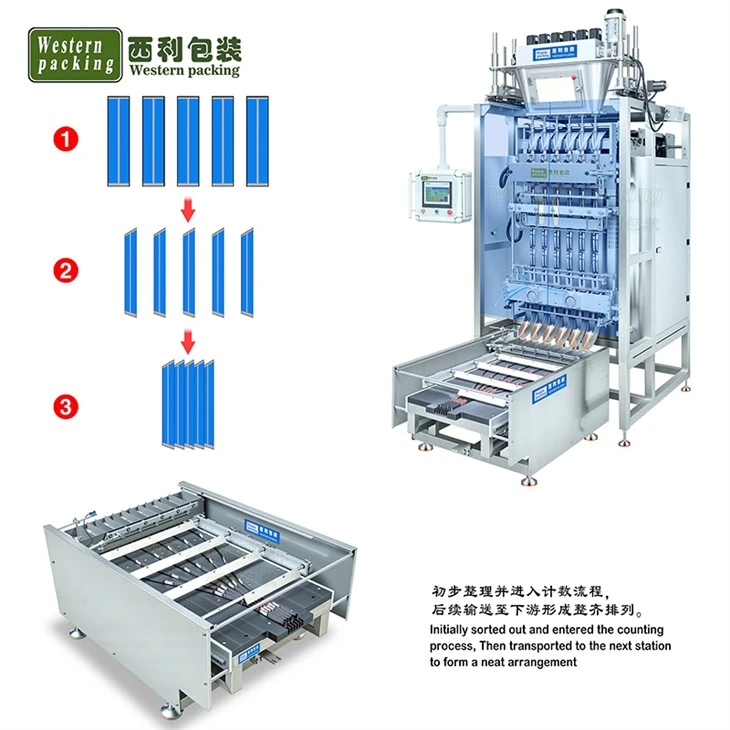
Now, the actual tape sealing unit. Here’s the thing: there’s not one tape head, usually. High-speed lines need to seal at least two places on a carton: the main top flap (the one that covers the opening after loading) and sometimes the end flaps for extra security, especially if it’s a heavier product. The tape heads are mounted on adjustable arms, so you can tweak their position for different carton sizes—you don’t need a whole new machine if you switch from a 5-inch carton to an 8-inch one. Each head has three main parts that work together: the tape roll, the applicator roller, and the tension control system.
Wait, tension is huge. If the tape’s too loose, it’ll wrinkle and not stick flat; too tight, and it’ll snap mid-application, leaving a gap. Our Cartonator Packing Machine (/cartoning-machine/cartonator-packing-machine.html) has a closed-loop tension sensor that measures the tape’s pull every 0.1 seconds—way faster than any human could adjust. That’s why it can handle 500 cartons per minute without a single bad seal. The tape feeds from a roll, goes through a brake that keeps consistent tension, then onto the applicator. The applicator isn’t just a stick-on wheel—for the main top flap, it’s a combination of a pressure roller and a cut-off blade. As the carton passes under the head, the roller presses the tape onto the folded flap, and the blade snips the tape right when the next carton is coming up, so there’s no overlapping tape that causes jams. That sync between carton speed and blade timing is where the servo motor really earns its keep.
For end flaps, some machines use a different method—usually two smaller tape heads on the sides that seal the end flaps shut, so the carton doesn’t pop open during handling. This is super important for e-commerce, where cartons get dropped, stacked, and shipped across the country. Our customers in the snack industry love this because their individual cookie or cracker cartons stay sealed until the customer opens them, no crumbs spilling. Also, if you’re dealing with stick bags specifically, like our Automatic Stick Bag Cartoning Machine (/cartoning-machine/automatic-stick-bag-cartoning-machine.html), the end flaps are smaller, so the tape heads adjust their width automatically—no manual tools needed, which saves time during changeovers.
Now, what about troubleshooting? Even with the best setup, things go wrong sometimes—tape runs out, a flap doesn’t fold right, the machine’s speed gets bumped up. That’s why high-speed machines have built-in sensors that catch these issues before they cause a jam. For example, a photoelectric sensor at the sealing unit checks if tape is being applied correctly; if it detects a gap or wrinkle, it sends a signal to the machine to either pause briefly (if it’s a small issue) or eject the bad carton so it doesn’t mess up the line. We also have a feature that alerts operators when the tape roll is almost empty, so they can swap it out during a scheduled break, not mid-production. That’s a big one for downtime—every minute a line’s stopped costs money, so we design our machines to minimize that.
Wait, let’s talk about tape types, because that’s a common question. You can’t use just any tape on a high-speed line. Some tapes are too thick, so they don’t stick evenly, or too thin, so they tear when the machine applies tension. We recommend hot-melt acrylic tape for most regular lines—it sticks fast, works on cardboard, and is resistant to moisture. For cold warehouses or frozen food products, a cold-temperature acrylic tape is better, because regular tape gets brittle and pops off in low temps. If you’re using our Stick Bag Counting Packing System (/cartoning-machine/stick-bag-counting-packing-system.html), which handles lightweight stick products, we even suggest a ultra-lightweight tape so the sealing doesn’t add extra weight to the carton (which is good for shipping costs too).
I should also mention that modern high-speed cartoning machines don’t do sealing in isolation—they’re part of a whole line, so the sealing system has to sync with the carton forming, product loading, and even coding (like printing expiration dates on the carton) to keep the entire line moving smoothly. A lot of people think the sealing part is the star, but it’s really the team effort between all the parts. For example, if the coder prints a date off-center, the sealing head might misalign the tape, so the entire line has to be calibrated together. Our engineers test every machine on a mock line before it ships, so it’s already synced when it arrives at your factory—no guesswork for your team.
Let me share a quick example of how this works in real life. A few months back, we had a customer who was running a line for single-serve protein sticks, and their old machine was sealing only 150 cartons per minute, with a 3% failure rate (leaking cartons, tape coming loose). They upgraded to one of our High Speed Cartoning Machine (/cartoning-machine/high-speed-cartoning-machine.html) and added our Stick Bag Cartoning Machine (/cartoning-machine/stick-bag-cartoning-machine.html) for counting. Now they’re at 450 cartons per minute, with a failure rate of less than 0.5%. The difference? The servo sync on the tape head, the closed-loop tension control, and the auto-adjusting heads for the small stick cartons. They told us their downtime went down by 80% because they don’t have to fix seal issues anymore.
So to wrap up, the science behind high-speed carton tape sealing is all about sync, precision, and adaptability. It’s not just sticking tape on a box—it’s a choreographed system that works with the carton’s speed, flap position, and product type, with built-in sensors and smart motors to catch mistakes before they cause problems. If you’re looking to upgrade your line, whether you’re dealing with stick bags, snack cartons, or small hardware, we’ve got machines built for that.
If you’re ready to learn more about how our machines can work for your specific needs, or want to ask questions about sealing, speed, or changeovers, feel free to reach out to our team to start a conversation about your packaging goals.
References:
- Packaging Machinery Association. (2022). High-Speed Cartoning: Operational Best Practices and Efficiency Metrics. Retrieved from industry industry packaging resource database
- Smith, J. (2023). Tape Sealing Technology for High-Volume Cartoning Lines. Journal of Modern Packaging Engineering, 18(2), 45-52
- Carton & Packaging Design Quarterly. (2021). Flap Preparation and Sealing Synchronization in Automated Cartoning Systems, Issue 37, 12-18